There is a particular beauty in old oak that has spent decades as a barn beam, a factory floor or a farmhouse plank, and reclaimed oak vinyl plank flooring is engineered to capture exactly that weathered, storied character without hunting down salvaged timber or paying salvage prices. As someone who has installed both genuine reclaimed hardwood and its vinyl interpretations, I can say the best modern LVP reproductions are startlingly convincing, right down to the saw marks, nail holes and faded gray-brown patina that only age gives real wood.
This guide covers what reclaimed oak vinyl plank actually is, the design details that make it look authentic, how it is built, what it costs, where it belongs in a home and how to buy and fit it well. My aim is to help you get the aged, rustic look you want while enjoying the waterproof, low-maintenance practicality that real reclaimed oak simply cannot match.
What Makes It Look Reclaimed
Reclaimed oak vinyl plank is a luxury vinyl product printed to imitate salvaged, aged oak boards. The design film carries a photographic image of real reclaimed timber, and the quality of that print is the first thing that determines whether the floor reads as authentic or fake. Good ranges use multiple plank images across the box, sometimes 12 or more unique board photographs, so the same knot or crack does not repeat every few planks and give the game away.
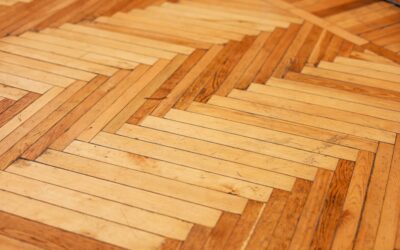
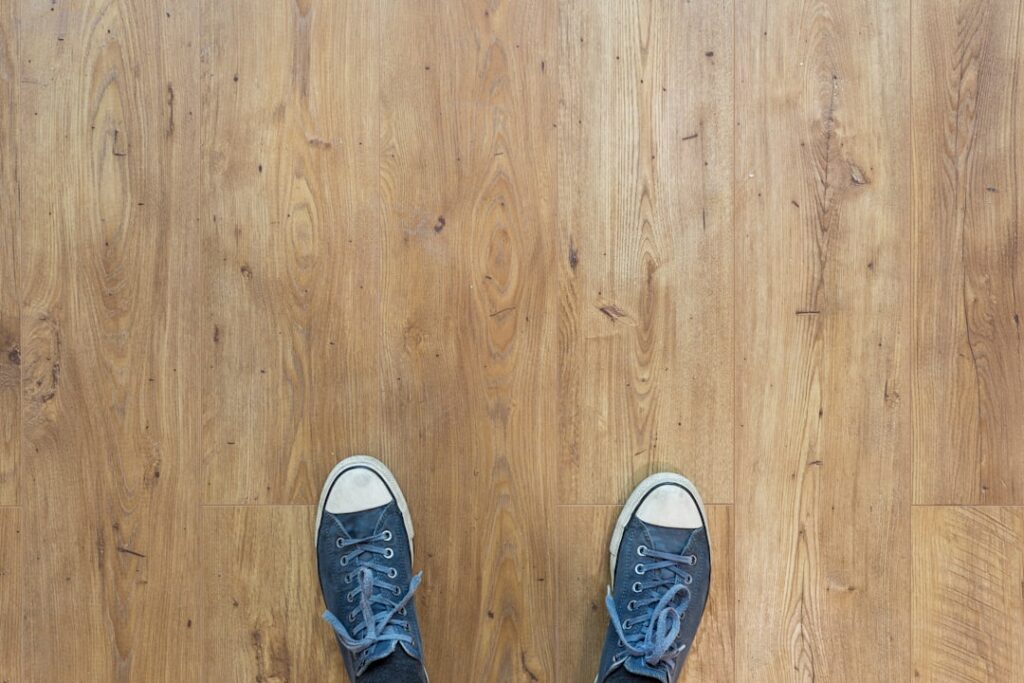
The visual hallmarks of a genuinely reclaimed look are worth knowing before you shop. Look for varied board tones within a single pack, from silvery gray to warm honey and deep brown, mimicking timber pulled from different sources. Look for distressed details such as circular saw marks, old nail holes, splits, checking and worn edges. A uniform, evenly colored plank is not what old oak looks like, so the more character and controlled inconsistency in the design, the more believable the finished floor.
Texture and the Importance of Embossing
A print alone is not enough. The feature that truly sells a reclaimed look underfoot and under light is the surface texture, and the best products use embossed-in-register texturing where the physical grain grooves line up precisely with the printed grain. Run your hand across a quality reclaimed oak plank and you should feel the timber grain, the sawn ridges and the worn hollows, not a flat sheet with a photo on top.
Registered embossing matters because raking light across a floor will expose a mismatch instantly. When the texture aligns with the visual grain, the plank catches shadow in the grain lines exactly as real weathered oak does. Cheaper vinyl uses a generic all-over texture pressed over any print, which looks acceptable head-on but reveals itself the moment low sunlight rakes across it in the morning. If authenticity is your goal, this is a detail worth paying for.
Plank Format, Bevels and Matte Finishes
Reclaimed oak reads best in longer, wider planks. Salvaged boards were often generous, so plank formats around 1200mm to 1500mm long and 180mm to 230mm wide look most convincing and echo the scale of period timber. Painted-edge micro-bevels on all four sides define each plank and reinforce the impression of individual salvaged boards rather than a seamless printed sheet, and they cope well with the slight height variation that any subfloor introduces.
Finish sheen is another giveaway. Old oak is not glossy, so choose a matte or low-sheen wear layer. A high-gloss finish over a reclaimed print looks plasticky and immediately breaks the illusion. Matte finishes also hide micro-scratches and dust far better in daily use, which is a practical bonus. Between the longer plank, the beveled edges and the flat sheen, you get a floor that carries genuine rustic weight rather than the repeating, plasticky look that gives budget vinyl a bad name.
Construction: Rigid Core Versus Flexible
Most quality reclaimed oak vinyl plank today is built on a rigid core, either SPC (stone plastic composite) or WPC (wood plastic composite). SPC has a dense limestone-based core that is extremely stable, resists dents and telegraphs subfloor imperfections less, making it my usual recommendation for busy homes and over slightly uneven subfloors. WPC is a touch softer and warmer underfoot, with a bit more give, which some people prefer in living areas.
The wear layer is the number that governs lifespan. For residential use I look for at least a 12 mil wear layer, and 20 mil for a busy household with pets and children or any light commercial setting. Many rigid-core reclaimed oak planks include an attached underlayment pad on the back, which improves warmth and quietness and saves buying a separate acoustic layer. The whole assembly is typically waterproof, which is exactly why people choose it over the real thing.
Cost Versus Genuine Reclaimed Oak
The economics are compelling. Genuine reclaimed oak flooring is one of the most expensive floors you can buy, commonly running from 15 to 40 dollars per square foot for the material because supply is limited, boards must be de-nailed and remilled, and demand for authentic salvage is high. Add skilled installation, sanding and finishing and the total climbs quickly. Reclaimed oak vinyl plank, by contrast, typically costs between 2.50 and 6 dollars per square foot, with premium designer ranges around 7 dollars.
Installation adds to the saving. Rigid-core LVP clicks together as a floating floor over most existing subfloors, so a competent homeowner can install it without sanding, staining or specialist tools, and a professional fit costs far less than laying and finishing real hardwood. You lose the genuine provenance and the ability to sand and refinish decades later, but you gain waterproofing, easy maintenance and a price that is often a quarter of the salvaged alternative.
Where Reclaimed Oak Vinyl Plank Works Best
Because it is waterproof and dimensionally stable, reclaimed oak vinyl plank goes places real reclaimed oak should never venture. Kitchens, bathrooms, laundry rooms, basements and entryways are all fair game, and the rustic aesthetic suits these hard-working rooms beautifully. Open-plan living and kitchen-diner spaces benefit especially, since you can run the same weathered oak look right through wet and dry zones without changing materials at a threshold.
The aged, characterful look also disguises daily life exceptionally well. The varied tones and distressed detailing hide crumbs, pet hair, minor scuffs and the general grit of a family home far better than a clean, uniform floor. For homes with dogs, children or a busy back door, that forgiving quality is a genuine day-to-day advantage on top of the waterproofing. Over underfloor heating it also performs well, provided you confirm the product is rated for it and observe the maximum surface temperature the manufacturer specifies.
Color Direction: Gray, Brown or Blended
Reclaimed oak vinyl comes in several tonal directions, and the one you choose sets the whole mood of the room. Weathered gray reclaimed oak, with its silvered, driftwood-like cast, suits contemporary and coastal interiors and pairs well with cool wall colors and matte black fixtures. Warm brown reclaimed oak leans rustic and traditional, evoking old barn timber and farmhouse floors, and it brings cosiness to living rooms and kitchens. Blended ranges mix both, running from gray through honey to deep brown across the pack for the most authentically salvaged, multi-source look.
Consider the light your room receives and the fixed elements already in place. A gray-toned reclaimed oak can read cold in a north-facing room with little natural light, while a warm brown can feel heavy in an already dark space. If you are unsure, a blended tone is the most forgiving because its variety means it rarely clashes and it disguises daily debris exceptionally well. As always, view a full plank in the actual room at different times of day before you commit, since reclaimed tones shift markedly between morning and evening light.
Buying and Installing It Right
When buying, request a large sample or a full plank rather than a small chip, and view it in the room under natural light at different times of day. Count how many unique plank designs the range offers, since more variation means a more convincing floor. Check the wear-layer rating against your household, confirm the waterproof claim and the underfloor-heating rating if relevant, and always order 7 to 10 percent extra for cuts, waste and future repairs from the same batch.
For installation, acclimatize the boxes flat in the room for 48 hours and prepare a clean, dry, level subfloor, since dips and ridges will eventually be felt through any floating floor. Plan the layout so you avoid narrow slivers at the walls and stagger the end joints randomly, at least 200mm apart, to reinforce the salvaged, non-repeating look. Mix planks from several boxes as you lay to blend the tone variation naturally, leave the expansion gap the manufacturer specifies around the perimeter, and the finished floor will carry all the weathered character of real reclaimed oak with none of its fragility.
Prefer to explore on your own?
See how new flooring looks in your actual room in seconds — free, no signup.
Try the free Floor Studio →