Specialty wood flooring brands that survive past the 20-year mark earn that longevity through consistent quality control, and Regent flooring falls squarely into that category. The line focuses almost exclusively on engineered European oak in plank and herringbone formats, with wear layers ranging from 3mm to 6mm and finishes that lean toward natural matt oils rather than high-gloss lacquers.
The Regent Range at a Glance
Regent organizes its catalog into three tiers based on board width and wear-layer thickness. The Classic range covers 150mm-wide planks at 14mm overall thickness with a 3mm wear layer. The Heritage range jumps to 190mm boards at 15mm thickness with a 4mm wear layer. The Estate range tops out with 220mm to 260mm boards at 20mm thickness and a 6mm wear layer.
All three tiers offer the same color palette across roughly 20 finishes, which simplifies coordination if you mix widths between rooms. Smoked, fumed, brushed, and lightly distressed surface treatments appear on most colors.
Pricing Across the Range
- Classic 150mm engineered oak: $5.80 to $7.20 per sq ft, 25-year residential warranty
- Heritage 190mm engineered oak: $8.50 to $10.80 per sq ft, 30-year residential warranty
- Estate 220mm to 260mm wide boards: $13 to $18 per sq ft, lifetime structural warranty
- Regent herringbone blocks: $7.50 to $14 per sq ft depending on tier
- Professional installation: $4.50 to $8 per sq ft floating; $7 to $11 per sq ft glue-down
A typical 350 sq ft living room in the Heritage range with professional install lands around $5,200 to $6,800.
Construction Quality
Regent uses a multi-ply birch core with eight or nine cross-bonded layers, depending on board thickness. The core wood is sourced from FSC-certified European mills, mostly in Latvia and Estonia, where the slower growth produces tighter grain and better dimensional stability than fast-grown plantation birch.
The oak top layer comes from French and German forests on the Heritage and Estate ranges, and from Polish and Ukrainian sources on the Classic range. The visual difference is subtle but real: French oak shows tighter rays and a creamier base tone, while Eastern European oak runs slightly cooler with broader figure.
Finish System and Durability
Most Regent boards ship with a UV-cured hardwax oil finish that combines the protection of polyurethane with the look of a traditional oil. The finish penetrates the wood pores rather than sitting on top, which means scratches that occur within the wear layer can be spot-repaired with a touch-up oil rather than requiring a full re-sand.
The cured finish reaches Taber abrasion ratings of around 4,000 to 6,000 revolutions on the Heritage range, putting it in line with other premium European brands like Junckers and Boen.
Where Regent Flooring Works Best
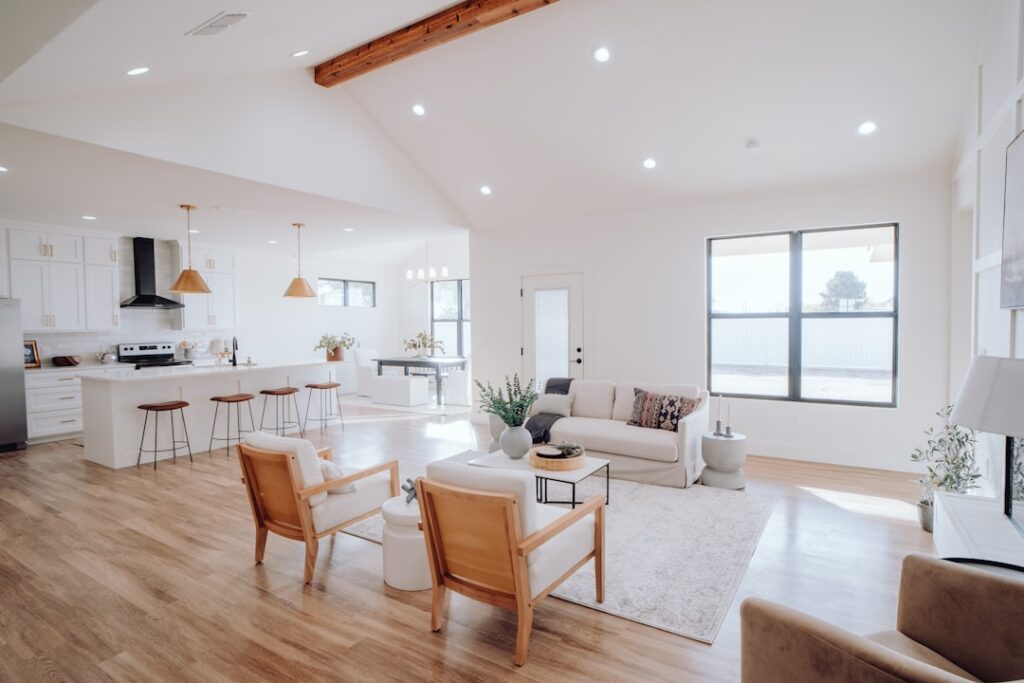
Living rooms, formal dining rooms, and master bedrooms suit Regent’s wider planks and natural finishes. The matt oil look photographs well in natural light and ages gracefully, developing a subtle patina rather than the worn shine you see on lacquered floors after 10 years.
Kitchens are acceptable if you commit to immediate spill cleanup and place a runner in front of the sink. Avoid Regent boards in full bathrooms or laundry rooms; engineered oak is not waterproof regardless of finish.
Brand Spotlight: The Heritage 190mm in Smoked Oak
This particular SKU has become the best-selling Regent product for good reason. The 190mm width fits well in rooms between 150 and 400 sq ft without looking either too narrow or oversized. The smoked treatment penetrates the entire wear layer through ammonia fuming, so refinishing in 12 to 15 years will not expose lighter wood underneath. The 4mm wear layer accommodates two full sand-and-refinish cycles, taking the floor to 40 or 50 years of service life with reasonable care.
Pricing for this SKU runs $9.20 to $9.80 per sq ft from authorized dealers, depending on volume and region.
Installation Options
The Classic and Heritage ranges include a tongue-and-groove click profile that allows floating installation over an acoustic underlay. The Estate range comes only in straight tongue-and-groove and requires glue-down to plywood or full-spread adhesive to concrete with a moisture barrier primer.
For concrete subfloors, run an ASTM F2170 in-situ relative humidity test before installation. Readings above 75 percent RH require a liquid-applied moisture barrier such as Mapei Eco Prim PU 1K or Sika Primer MB before any adhesive goes down.
How Regent Compares to Competitors
Against Ted Todd, Regent runs about 15 to 20 percent cheaper for similar specifications. Ted Todd has the edge on bespoke finishes and aged effects, but the underlying construction is comparable.
Against Woodpecker, Regent offers more width options and a slightly thicker wear layer at the Heritage tier. Woodpecker has a stronger marketing presence but similar build quality.
Against Quick-Step Massimo or Disegno, Regent provides a more authentic European oak look at a higher price point. Quick-Step suits buyers prioritizing quick install and lower cost; Regent suits buyers wanting the floor to look custom in 20 years.
Maintenance and Long-Term Care
Vacuum weekly with a soft-bristle attachment. Damp-mop monthly using a pH-neutral cleaner such as Bona Hardwood Floor Cleaner. Wring the mop nearly dry; standing water on engineered oak penetrates the joints over time and causes edge swelling that no spot repair fully resolves.
Re-oil high-traffic zones every 18 to 24 months using a maintenance oil compatible with the original hardwax finish. The application takes roughly an hour per 200 sq ft and restores the protective layer without a full re-sand. Plan for a screen-and-recoat at year 10 to 12 and a complete sand-and-refinish at year 20 to 25 for the Heritage range, or year 30-plus for the Estate range with its thicker wear layer.
Final Verdict
Regent flooring earns its mid-premium positioning through honest specifications and consistent quality. Pick the Heritage range for most projects under $10 per sq ft material cost. Pick the Estate range when you want the wide-board look that defines high-end residential design. Budget $5,500 to $8,500 fully fitted for an average 350 sq ft project and expect 25 to 40 years of service life with sensible care.
Prefer to explore on your own?
See how new flooring looks in your actual room in seconds — free, no signup.
Try the free Floor Studio →