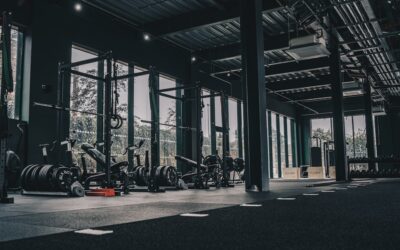
If you have shopped for sound-deadening underlayment or heavy-duty gym surfacing, you have almost certainly come across regupol rubber flooring. Regupol is a long-established recycled-rubber brand whose products show up under poured-concrete subfloors, beneath hardwood and tile in condos, and across weight rooms and multipurpose athletic spaces. This guide walks through what the category actually delivers, where it shines, where it falls short, and the specific things you should evaluate before committing.
What Regupol Rubber Flooring Actually Is
Regupol products are manufactured primarily from recycled rubber, much of it sourced from end-of-life tires and post-industrial rubber scrap. That feedstock is granulated, bound, and pressed into rolls, tiles, or sheets. Depending on the product line, the binder, density, and granule size are tuned for a particular job, whether that is impact-noise reduction under a floating floor or shock absorption under loaded barbells.
Because the brand spans several distinct uses, it helps to think in three buckets. The first is acoustic underlayment, a thin resilient layer installed under finished flooring to cut footfall and impact noise between stories. The second is fitness and athletic surfacing, the thicker rolls and interlocking tiles you walk on directly in a gym. The third is vibration isolation and structural acoustic products used in commercial and institutional buildings. Knowing which bucket you are in changes nearly every buying decision.
Key Pros of Regupol Rubber Flooring
Across the lineup, recycled rubber brings a consistent set of advantages that explain why the brand stays popular with builders and facility managers.
- Recycled content: Diverting tire and industrial rubber from landfills gives these products a strong sustainability story, which matters for LEED-oriented projects and eco-conscious buyers.
- Acoustic performance: Rubber is naturally resilient, so even a thin underlayment can meaningfully reduce impact and footfall noise, a frequent code requirement in multifamily construction.
- Durability: Vulcanized recycled rubber resists abrasion, compression set, and impact, which is why fitness lines survive years of dropped weights and constant foot traffic.
- Shock absorption: The cushion underfoot reduces fatigue during workouts and protects both equipment and the subfloor below.
- Slip resistance: A textured rubber surface offers reliable traction, an advantage in gyms and high-traffic commercial areas.
- Dimensional stability: Quality rubber holds its shape across normal temperature swings, so seams and edges stay tight over time.
The Cons and Trade-Offs to Weigh
No flooring is perfect, and recycled rubber carries a few recurring downsides you should plan around rather than discover later.
Odor is the most common complaint. Fresh rubber, especially in a warm or poorly ventilated room, can give off a noticeable smell for the first days or weeks. Ventilating the space and letting tiles or rolls off-gas before heavy use usually resolves it, but sensitive users should test a small piece first.
Weight and handling are another factor. Thicker fitness rolls are genuinely heavy, and wrestling a full roll into place often takes two people. Color range is limited compared with vinyl or carpet, since recycled rubber tends toward black or black-with-colored-fleck blends. Finally, some rubber compounds can stain or react with certain finishes, so you want to confirm compatibility before installing under or beside sensitive materials.
Acoustic Underlayment vs. Fitness Flooring
These two use cases get confused constantly, and choosing the wrong one wastes money. Acoustic underlayment is thin, typically a fraction of an inch, and is engineered to sit hidden beneath a finished floor. Its job is measured in sound ratings, not in how it feels underfoot, because you never walk on it directly.
Fitness and athletic flooring is the opposite. It is thicker, often a half inch or more for free-weight zones, and the top surface is the wearing surface. Here you care about resilience under dropped loads, traction, and how easy it is to clean. Buying a thin acoustic mat for a weight room leaves equipment unprotected; buying thick gym rolls as underlayment wastes money and raises floor height unnecessarily.
Matching Thickness to the Job
As a general rule, the heavier the impact, the thicker the rubber. Light cardio and stretching areas can use thinner mats, while platforms for Olympic lifting call for the thickest, densest options. For acoustic underlayment, thickness is dictated by the sound-control target and the assembly above it, so follow the manufacturer’s tested system rather than guessing.
Where Regupol Rubber Flooring Works Best
This category earns its keep in a handful of well-defined settings. Multifamily and condo construction relies on rubber underlayment to meet impact-insulation requirements between units. Home and commercial gyms use the thicker rolls and tiles to protect floors, dampen noise, and create a forgiving training surface. Schools, rec centers, and locker rooms benefit from the durability and traction. Garages and workshops sometimes use it for an anti-fatigue, impact-tolerant surface.
It is a weaker pick where you want a soft, warm, residential feel underfoot in living spaces, or where you need a wide palette of decorative colors and patterns. In those cases, a finished floor over acoustic underlayment is the smarter combination, letting rubber do the quiet work it does best while a different surface handles aesthetics.
Installation Considerations
Installation method depends on the product. Acoustic underlayment is usually loose-laid or partially adhered as part of a tested floor assembly, with seams taped per the manufacturer’s instructions. Fitness rolls can be loose-laid in smaller rooms, double-stick taped at seams, or fully glued down in high-traffic commercial spaces to prevent shifting. Interlocking tiles snap together and are the easiest DIY route for a modest home gym.
Subfloor prep matters in every case. The surface should be clean, dry, and flat, because rubber telegraphs bumps and debris over time. Let rolled material relax flat before final placement so it lies without curling at the edges. For glued installations, confirm the adhesive is rated for rubber and for any moisture present in a concrete slab.
Cost and How to Evaluate Quality
Pricing varies widely by product line, thickness, and whether you buy rolls, tiles, or engineered acoustic systems, so treat any single number with caution and request a current quote for your exact product. Rather than chasing the lowest price, evaluate value on a few concrete points.
- Recycled content and certifications: Ask for the percentage of recycled material and any third-party or low-emission certifications relevant to indoor air quality.
- Tested performance data: For acoustic use, insist on lab-tested sound ratings for the specific floor assembly, not generic claims.
- Density and thickness: Match these to your actual loads; under-specifying for a weight room shortens the floor’s life.
- Warranty terms: Read the written warranty for what it covers and excludes rather than relying on a salesperson’s summary.
- Sample testing: Get a physical sample to check odor, surface feel, and color before ordering a full job.
Is Regupol Rubber Flooring Right for You?
If your priority is impact-noise control under a finished floor, or a tough, forgiving surface for a gym or athletic space, regupol rubber flooring is a strong, well-proven choice with real sustainability credentials. If you want a soft, warm, highly decorative floor for living areas, you will be happier pairing rubber underlayment with a separate finished surface. Define your use case first, match thickness and density to the loads involved, verify tested performance and warranty in writing, and request a current quote for the exact product line. Do that, and recycled rubber rewards you with a durable, quiet, low-maintenance floor that holds up for years.
Prefer to explore on your own?
See how new flooring looks in your actual room in seconds — free, no signup.
Try the free Floor Studio →