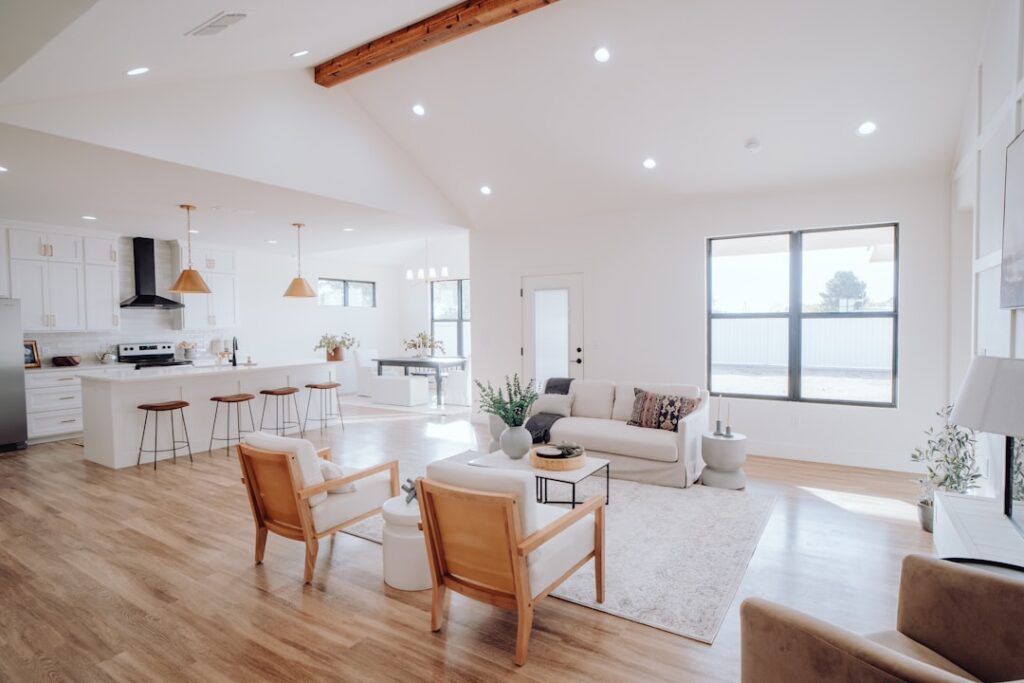
Tired floors drag down an entire room, and deciding how to fix them, refinish, overlay, or fully replace, sets the budget and the result. When you set out to revamp flooring in your home, the smartest first step is understanding which path fits your existing floor’s condition and your goals. This guide walks through your options, real costs per square foot, the pros and cons of each approach, and how to compare quotes so your flooring update delivers lasting value rather than a quick fix that fails.
Refinish, Overlay, or Replace: Choosing Your Path
The first decision is whether you can save your existing floor or need to start over. If you have solid or thick engineered hardwood that is structurally sound but scratched and dull, refinishing restores it for a fraction of replacement cost. Sanding and recoating hardwood runs $3 to $8 per square foot, far less than tearing it out.
When the existing floor is damaged beyond refinishing, or you simply want a different look, an overlay (installing new floating flooring over the old) or a full replacement is the route. Overlays save demolition labor but raise the floor height; full replacement costs more but lets you fix subfloor issues and start fresh.
Refinishing Existing Hardwood
Refinishing is the most economical revamp when you have real wood to work with. The process sands away the old finish and a thin layer of wood, erasing scratches and stains, then applies new stain and protective topcoats. Solid hardwood can typically be refinished four to seven times over its life; engineered wood with a thick wear layer can usually handle one or two refinishes.
Expect the job to take three to five days including dry time, and plan to stay off the floor while polyurethane cures. A water-based finish dries faster and yellows less; oil-based is more durable and amber-toned. Refinishing transforms a worn floor into one that looks brand new at $3 to $8 per square foot, the best value in flooring renovation if you have wood worth saving.
New Flooring Options for a Full Revamp
If you are installing new flooring, your material choice drives both look and budget:
- Luxury vinyl plank (LVP): $2.50 to $7 per sq ft. Waterproof, durable, and easy to install over many existing floors.
- Laminate: $1.50 to $4 per sq ft. Budget-friendly with convincing wood looks.
- Engineered hardwood: $4 to $10 per sq ft. Real wood looks with better stability.
- Solid hardwood: $6 to $14 per sq ft installed. Premium and refinishable for decades.
- Tile: $5 to $15 per sq ft installed. Waterproof and ideal for kitchens and baths.
LVP and laminate are popular revamp choices because many products click together as floating floors and can go directly over existing tile, vinyl, or wood, cutting demolition costs significantly.
The Pros and Cons of Each Approach
Each revamp method has trade-offs worth weighing:
- Refinishing pro: Cheapest option, preserves real wood, no height change.
- Refinishing con: Only works on wood; dusty, smelly process with cure-time downtime.
- Overlay pro: Avoids demolition, faster and cleaner install.
- Overlay con: Raises floor height, may require trimming doors and adjusting transitions.
- Full replacement pro: Lets you fix the subfloor and change material entirely.
- Full replacement con: Most expensive and disruptive, with demolition and disposal costs.
Budgeting Your Flooring Revamp
Beyond the headline material price, build in the hidden costs that surprise homeowners. Subfloor repair, leveling, old-floor removal, underlayment, transition strips, and furniture moving can add $1 to $4 per square foot. A 500-square-foot revamp can therefore range from about $2,000 for a refinish to $7,000-plus for a full hardwood replacement.
To control costs, consider phasing the project room by room, or mixing materials, hardwood or LVP in main living areas, budget laminate in bedrooms. Always order 10 percent extra material for waste and future repairs, and keep leftovers, matching a discontinued plank years later is nearly impossible.
How to Compare Quotes and Avoid Mistakes
Get at least three written quotes with identical scope, and make sure each itemizes material, labor, prep, and disposal. The cheapest bid often excludes subfloor leveling or moisture testing, the exact steps that prevent failures, so a low number can cost more in callbacks. Confirm each quote names the specific product and its wear-layer or thickness spec.
The most common revamp mistake is skipping prep. New flooring installed over an uneven or damp subfloor will telegraph dips, creak, or fail entirely. Insist on proper leveling and, over concrete, a moisture test before anything goes down. Get the prep right and your flooring revamp will look sharp and stay solid for many years.
DIY vs. Hiring a Pro
Whether to tackle a flooring revamp yourself depends on the material and your tolerance for detail work. Floating floors like click-lock LVP and laminate are the most DIY-friendly, a motivated homeowner can install a small room in a weekend with a tapping block, spacers, and a saw, saving the $1.50 to $4 per square foot labor cost. Peel-and-stick and floating products forgive minor mistakes.
Refinishing hardwood, gluing down planks, and especially tile work are jobs where experience pays off. Drum sanders can gouge a floor in seconds, and tile demands precise layout, thinset technique, and grout work. For those, hiring a seasoned installer usually delivers a better, longer-lasting result and protects the material warranty, which can be voided by improper installation.
Boosting Resale Value With a Revamp
A flooring revamp is one of the highest-return home improvements when done strategically. Replacing worn carpet or dated flooring in main living areas with hardwood or quality wood-look LVP consistently appeals to buyers and photographs well in listings. Refinishing existing hardwood is especially cost-effective, restoring a premium feature for a modest investment.
Keep resale in mind with your choices: neutral, current tones and consistent flooring flowing through connected spaces make a home feel larger and more move-in-ready. Avoid bold, trendy patterns that may date quickly or polarize buyers. Whether you refinish, overlay, or replace, a well-planned flooring revamp pays you back in daily enjoyment now and added value when you sell.
Prefer to explore on your own?
See how new flooring looks in your actual room in seconds — free, no signup.
Try the free Floor Studio →