Sometimes you need carpet for a weekend, a season, or a single event, and gluing down permanent flooring makes no sense. That’s where roll out carpet earns its place. It’s a temporary or semi-permanent carpet that unrolls flat over almost any surface and stays put through traffic, then rolls back up for storage or reuse. From trade-show booths and gym floors to patios and basement playrooms, this flooring fills gaps that traditional installed carpet can’t. Here’s what the different types do, where each one works, and how to keep it clean.
What Roll Out Carpet Is
Roll out carpet comes in long rolls, typically 6 or 12 feet wide and cut to the length you need. Unlike stretched-in wall-to-wall carpet that requires tack strips, padding, and a crew, roll out carpet simply lies flat. Some types are held down with double-sided tape, some grip on their own rubber backing, and lightweight indoor versions just sit in place. That portability is the whole point: it installs in minutes and comes up just as fast.
Common Types and Backings
The backing matters more than the carpet face for how a roll out product performs. Backing determines whether it grips, drains, and tolerates moisture.
- Rubber-backed carpet: Heavy, stays put without adhesive, and resists slipping. Common for runners and entry mats.
- Marine or outdoor backing: A perforated or solid synthetic backing that lets water pass through or sheds it, made for patios, decks, and boats.
- Action/jute backing: Lightweight woven backing on budget event carpet, usually taped down for a single use.
- Felt or foam backing: Adds cushion underfoot for indoor comfort and noise reduction.
The fiber face is usually polypropylene (olefin) because it resists moisture, fading, and stains, which is exactly what a portable, often-outdoor product needs.
Indoor Uses
Indoors, roll out carpet shines anywhere you want warmth and quiet without commitment. Basements benefit from a moisture-tolerant roll that can be pulled up if water ever intrudes. Rental apartments use it to cover dated or cold flooring without violating a lease. Home gyms, playrooms, and craft areas get a soft, easy-to-replace surface that hides an imperfect subfloor.
Long runners protect hardwood in hallways and on stairs while adding traction. Because you can roll it up, it’s also ideal for spaces that change function, like a guest room that doubles as an office.
Outdoor and Event Uses
Outdoor roll out carpet, with its drainage backing, turns patios, decks, porches, and pool surrounds into softer, cooler-looking spaces. It tolerates rain and UV far better than indoor carpet, though it should still be allowed to dry to prevent mildew.
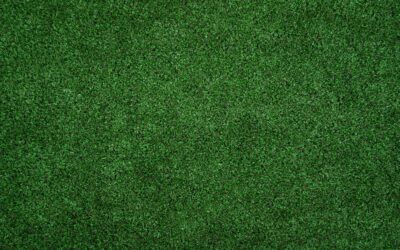
For events, roll out carpet is everywhere: trade-show booths, wedding aisles, red-carpet entrances, and tent floors. These lightweight rolls install fast over concrete or grass, come in many colors, and are often treated as disposable after one or two uses. Gym and turf-style rolls give athletic facilities a durable, shock-absorbing surface that can be reconfigured as needs change.
Choosing the Right Product
Match the carpet to the job. For a damp basement, prioritize a moisture-resistant backing and olefin fiber. For a patio, choose a UV-stable outdoor carpet with drainage holes. For a high-traffic entry, pick a heavy rubber-backed runner that won’t creep. For a one-time event, a budget action-backed roll taped at the seams is the economical pick.
Measure your space carefully and order width to minimize seams. A 12-foot-wide roll covers most rooms in a single piece, which looks cleaner and lies flatter than several taped strips.
Installation Basics
Installation is genuinely simple. Clean and dry the surface first so nothing telegraphs through or traps moisture. Unroll the carpet and let it relax for a few hours so it lies flat. For permanent placement or high traffic, secure the edges with double-sided carpet tape or a perimeter of seam tape. Trim to fit with a sharp utility knife and a straightedge. On outdoor installs, leave gaps at walls so water can escape and the carpet can dry.
Cleaning and Maintenance
Routine care keeps roll out carpet looking good for years. Vacuum regularly to lift grit before it grinds into the fibers. Blot spills immediately and spot-clean with mild soap and water; olefin fiber releases most stains easily. For a deeper refresh, many rubber-backed and outdoor rolls can be taken outside, hosed down, scrubbed, and stood on edge to air-dry completely before reinstalling. Never roll up or store a damp carpet, since trapped moisture invites mildew and odor. With basic upkeep, a quality roll out carpet stays a flexible, reusable flooring solution for whatever your space throws at it.
Roll Out Carpet vs. Permanent Carpet
It helps to know where roll out carpet beats installed wall-to-wall and where it doesn’t. Permanent carpet, stretched over padding and secured to tack strips, delivers a plusher feel, a fully finished look, and the longest lifespan. But it’s expensive, requires professional installation, and is a major undertaking to remove or replace.
Roll out carpet trades some of that polish for flexibility and cost. You install it yourself in an afternoon, move it when you move, swap it out cheaply when it wears, and pull it up if water threatens. For renters, temporary needs, outdoor spaces, and rooms that change function, that flexibility is worth far more than a permanent installation’s refinement. Choose installed carpet for a forever bedroom or living room; choose roll out carpet for everything in between.
Sizing, Seams, and Buying Tips
A little planning at purchase saves headaches later. Measure the room’s longest dimensions and add a few inches on each side for trimming. Where possible, order a single width wide enough to cover the room without a seam, since seams are the weak point that can lift or fray. Common roll widths of 6 and 12 feet handle most rooms in one piece.
For heavily used or outdoor areas, prioritize a heavier face weight and a quality backing over the cheapest option, which will mat and wear quickly. Bring home a sample to check the color in your own light and to test the backing’s grip on your floor. A well-chosen roll out carpet looks intentional rather than makeshift, and with the right product and a clean, dry subfloor it serves reliably for years before you decide to roll it up and start fresh.