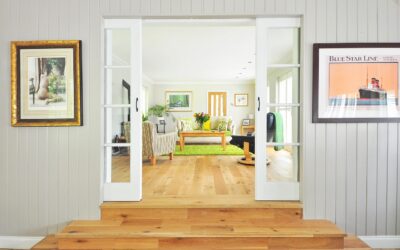
About 40% of the wide-plank engineered oak floors I see in newer Sydney and Melbourne homes carry a Royal Oak sticker on the underside of a board. Royal Oak flooring built its reputation in Australia on European-sourced oak with a deep wear layer and a hardwax oil finish that homeowners can refresh themselves rather than calling a sander. This guide walks through the lineup, pricing, install pitfalls, and the real differences between the Premium, Smoked, and herringbone collections so you can decide whether the brand fits your project.
What Royal Oak Actually Sells
The brand is built around French oak engineered planks ranging from 5 inch to nearly 12 inch widths, with cores built from cross-bonded plywood or HDF depending on the line. Wear layer thickness is the spec that separates the tiers — 2 mm in entry SKUs and up to 6 mm in the Heritage line, which can take three full sandings over a 50-year lifespan.
Royal Oak ships finished from the mill rather than site-applied, so what you see in the box is what you live with for the first decade. Most customers pick between the matte UV oil finish and a brushed hardwax oil. The hardwax oil ages more naturally and is far easier to spot-repair, but it asks for an annual recoat in busy rooms.
The Pros of Royal Oak Flooring
The wear layer math is the strongest argument. A 4 mm to 6 mm sliced face puts Royal Oak in the same refinishing class as solid 3/4 inch oak, which most engineered floors cannot match. That means the floor is genuinely a long-term asset rather than a 12-year disposable.
- European white oak source — tight grain, lower tannin variation than American red oak
- Wide planks up to 11.4 inches in the Maxi and Grand collections
- Pre-finished with low-VOC plant oils in the hardwax oil range, suitable for sensitive households
- Brushed and hand-scraped textures that hide normal wear and resist showing scratches
- Click-lock or glue-down compatible on the same SKU, so you can pick install method based on subfloor
- Strong dealer network across Australia with showroom samples in most capital cities
The Cons Worth Knowing
Lead time is the first complaint. Containers ship from Europe and shortages in 2022 to 2024 stretched popular SKUs to 12 to 16 weeks. Always confirm in-warehouse stock before paying a deposit. If you commit to a project and your color is on the water, you will be living on plywood longer than expected.
Price is the other hesitation. Royal Oak retails between $9 and $16 per sq ft AUD depending on width and finish, which is 30% above mid-tier engineered oak from Audacity or Hurford. The premium is real and defensible if you value the wear layer and the European source, but a cost-driven buyer should compare like for like at 4 mm wear-layer minimum to make a fair call.
Pricing by Collection
Pricing in early 2026 from authorized dealers, before underlay, install, and trim. Coastal capitals run higher than regional dealers, and bulk box discounts of 8% to 12% are common when you order over 600 sq ft.
- Royal Oak Classic — 7.5 inch wide, 2 mm wear, $9 to $11 per sq ft
- Royal Oak Heritage — 9 inch wide, 4 mm wear, $12 to $14 per sq ft
- Royal Oak Maxi — 11 inch wide, 4 mm wear, $13 to $15 per sq ft
- Royal Oak Smoked — fumed oak in any width, premium of $1 to $2 per sq ft over matching base SKU
- Royal Oak Herringbone — 6 inch x 24 inch blocks, 4 mm wear, $14 to $17 per sq ft
Installation Notes That Save Money
Subfloor prep is non-negotiable on wide planks. Royal Oak warranty calls for a moisture reading under 80% relative humidity in the slab and a flatness tolerance of 3 mm over 3 m. If your existing slab is wavier than that, you will pay $4 to $7 per sq ft AUD for a self-leveling pour before the floor goes down. Skip this and you will get squeaks and click-lock separation within the first heating season.
Acclimate the boxes flat in the room for at least 7 days before install. The mill ships at around 9% moisture content, but Australian east-coast humidity averages closer to 12%. Boards swell slightly during acclimation — installing them dry leaves you with gaps between every plank in late summer.
Finish and Color Range
Color naming changes by retailer but the actual finish library covers about 18 standard tones plus custom orders. Most buyers stick to the natural, smoked, and limewashed families. The reactive smoked finishes change tone over the first six months as the iron and tannin react further with light, so the floor you install in March will look subtly different by September.
If you are color-matching to existing furniture, ask for a 12 inch loose sample and test it under your actual lighting for at least three days. Showroom halogens flatter every wood floor.
Warranty Read-Through
Royal Oak publishes a 25-year residential structural warranty and a 15-year residential finish warranty on most lines. The exclusions worth flagging: spike heels, pet claw damage above 2 mm, and any installation over a heated slab without an approved underlay are all not covered. Underfloor heating is allowed up to 27°C surface temperature, but only with the brand-approved heat-transfer underlay and a written commissioning report from the installer.
Where Royal Oak Wins and Where to Look Elsewhere
Royal Oak flooring is the right call for an owner-occupier who plans to stay 10 years or longer in a quality home build, especially when wide planks and a refinishable wear layer matter. It is also a defensible spec for boutique hospitality and small commercial fit-outs that want a domestic look without going full reclaimed.
Skip the brand for budget-driven flips, rental properties, and any room with sustained moisture exposure like a wet bathroom or laundry. In those cases a quality SPC or porcelain plank tile gives you better return per dollar. For everything in between, the Royal Oak premium pays for itself in longevity.
Prefer to explore on your own?
See how new flooring looks in your actual room in seconds — free, no signup.
Try the free Floor Studio →