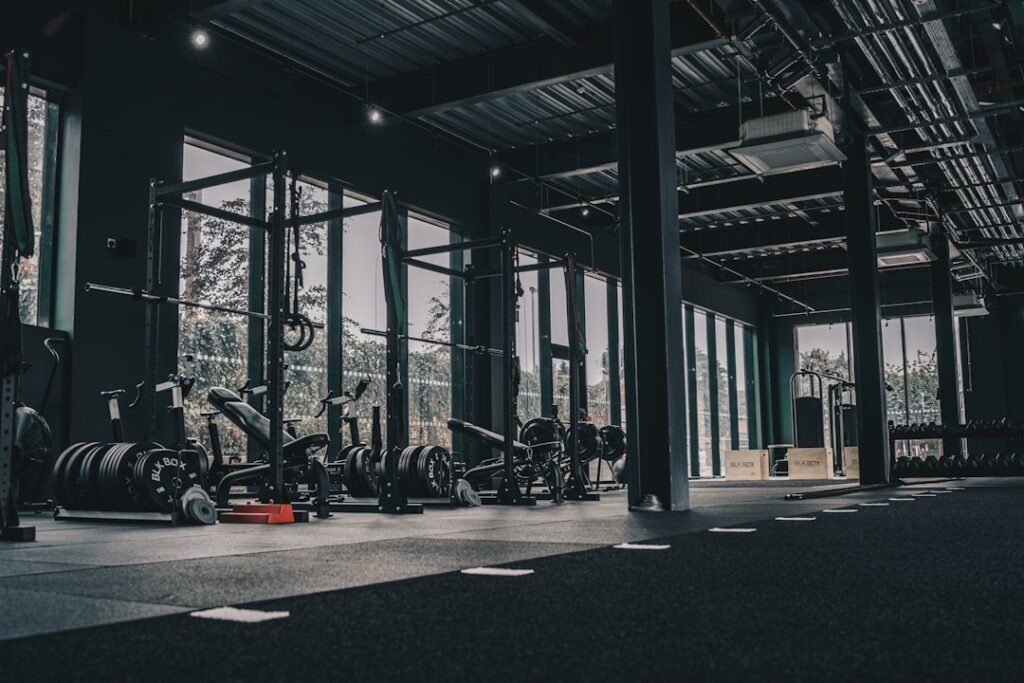
When a floor needs to take a beating, absorb impact, and stay slip-resistant, few materials compete with rubber. From home gyms and garages to commercial spaces and playrooms, rubber floor covering has earned its reputation as one of the toughest, most forgiving surfaces you can install. It cushions dropped weights, grips underfoot when wet, and shrugs off years of heavy use. This guide walks through the main types, where each one shines, how durable it is, and how to install and clean it.
- What Rubber Flooring Is and Where It Excels
- The Main Types of Rubber Flooring
- Durability and Lifespan
- Pros and Cons to Weigh
- Installation Basics
- Cleaning and Maintenance
- Cost and Value
- Choosing the Right Thickness
- Rubber Flooring Versus Other Options
- Addressing the New-Rubber Smell
- Is Rubber Flooring Right for You
What Rubber Flooring Is and Where It Excels
Rubber flooring is made from either recycled rubber, often from old tires, or virgin and synthetic rubber for cleaner colors and finishes. Its standout traits are resilience and grip. It is highly durable, shock-absorbing, water-resistant, and naturally slip-resistant, which makes it a top choice in high-traffic and high-impact settings. Common uses include:
- Home and commercial gyms, where it protects subfloors from dropped weights
- Garages and workshops, where it resists oil, impact, and heavy tools
- Basements, thanks to its moisture resistance
- Playrooms and daycares, for its cushioning and safety
- Commercial entries, hallways, and healthcare settings, for durability and traction
The Main Types of Rubber Flooring
Rubber floor covering comes in three primary formats, each suited to different jobs:
- Rolls: Large continuous sheets, often 4 feet wide, rolled out to cover big areas with few seams. Ideal for gyms and large commercial spaces. They cover ground fast but are heavy and can be awkward to handle alone.
- Tiles: Square tiles installed individually, often glued down. Easier to transport and replace, and they allow patterns or mixed colors. A good middle ground for medium spaces.
- Interlocking tiles and mats: Puzzle-edge pieces that snap together with no adhesive. The most DIY-friendly option, perfect for home gyms and playrooms, and easy to take up and reconfigure.
Thickness ranges widely, from thin 1/4-inch mats for light use to 3/4-inch or thicker tiles for serious weightlifting and impact protection.
Durability and Lifespan
Rubber is among the most durable floor coverings available. Quality rubber flooring resists dents, scratches, and impact that would ruin many other surfaces, and a well-installed floor can last 20 years or more in residential use. It absorbs shock, which protects both your subfloor and your joints, and it stays comfortable to stand on for long periods. It is also naturally slip-resistant even when damp, a major safety benefit in gyms, garages, and entryways. Higher-quality virgin rubber generally outlasts and stays cleaner-looking than budget recycled options.
Pros and Cons to Weigh
Like any material, rubber has trade-offs. On the plus side, it is tough, water-resistant, low-maintenance, comfortable underfoot, sound-dampening, and slip-resistant. On the downside, recycled rubber can carry a noticeable odor when new, which fades over time with ventilation. It is heavier than many other floorings, certain solvents and oils can degrade some rubber over the long term, and it is not the right look for a formal living space. For its intended uses, though, the benefits far outweigh the drawbacks.
Installation Basics
How you install rubber flooring depends on the format you choose:
- Interlocking tiles: The easiest to DIY. Start in a corner or the center, fit the puzzle edges together, and trim border pieces with a sharp utility knife. No adhesive needed, so it floats over the subfloor.
- Glue-down tiles: Require a clean, dry, level subfloor and the manufacturer’s recommended adhesive. Roll the floor afterward to ensure full contact.
- Rolls: Can be loose-laid for temporary setups or glued and double-sided-taped for permanent installs. Heavy and best handled with a helper.
In all cases, let the rubber acclimate to the room for a day or two before installing, and make sure the subfloor is clean, dry, and reasonably flat so the floor lies smooth.
Cleaning and Maintenance
One of rubber’s biggest selling points is how easy it is to maintain. For routine care, sweep or vacuum to remove grit, then damp-mop with warm water and a mild pH-neutral cleaner. Avoid harsh solvents, strong acids, and petroleum-based or oil-based cleaners, which can break down rubber over time. Wipe up spills promptly, and for gyms, periodically clean with a product made for rubber athletic flooring. With minimal effort, a rubber floor stays clean and grippy for years.
Cost and Value
Rubber flooring sits in a moderate price range, with interlocking tiles and recycled rolls being the most budget-friendly and high-end virgin rubber tiles costing more. When you factor in its longevity, low maintenance, and the protection it provides to subfloors and joints, it offers strong value for the spaces it suits. For a home gym or garage especially, it often pays for itself by preventing damage to the concrete or subfloor beneath it.
Choosing the Right Thickness
Thickness is one of the most important specs to get right, because it determines how much impact the floor can absorb. For light-use areas like a kids’ playroom or a space for bodyweight exercise, a 1/4-inch to 3/8-inch mat is usually enough. For a general home gym with moderate equipment, 1/2-inch flooring offers a good balance of cushion and stability. For serious weightlifting where loaded barbells get dropped, step up to 3/4-inch tiles or thicker to protect both the subfloor and the equipment. Garages and workshops also benefit from thicker, denser tiles that resist the weight of vehicles and heavy tools.
Rubber Flooring Versus Other Options
It helps to see how rubber stacks up against alternatives for the same spaces. Foam tiles are softer and cheaper but dent permanently and tear easily, making them suitable only for very light use. Epoxy coatings give a garage a sleek, sealed look but offer no cushioning and can be slippery when wet. Vinyl is comfortable and attractive but cannot match rubber’s impact resistance for a gym. For high-impact, high-traffic, or wet environments where toughness and grip matter most, rubber remains the standout, while finer-looking options win in formal living spaces where appearance leads.
Addressing the New-Rubber Smell
One common complaint about recycled rubber flooring is the odor when it is first installed. The smell is normal and fades over time, and there are ways to speed it up. Ventilate the room well, opening windows and running a fan or the HVAC system for the first days after installation. Wiping the surface down with a mild cleaner a few times helps, and choosing virgin or higher-grade rubber over recycled tire material reduces the odor from the start. Within a few weeks, most of the smell dissipates and the floor settles into normal, low-maintenance service.
Is Rubber Flooring Right for You
If you need a surface that can handle heavy impact, moisture, and constant traffic while staying safe underfoot, rubber floor covering is hard to beat. Choose rolls for large continuous areas, tiles for medium spaces, or interlocking mats for an easy DIY home gym or playroom. With its durability, water resistance, cushioning, and simple maintenance, rubber delivers a practical, long-lasting floor exactly where toughness matters most.
Prefer to explore on your own?
See how new flooring looks in your actual room in seconds — free, no signup.
Try the free Floor Studio →