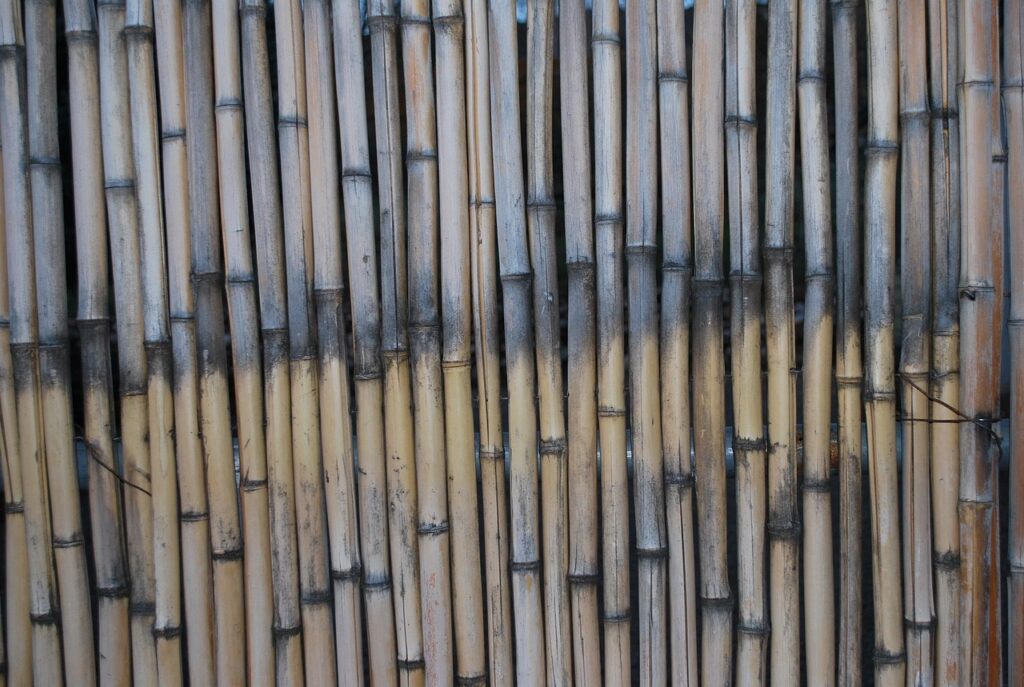
Bamboo has a reputation for being sleek and modern, but it can just as easily look weathered, warm, and full of character. Rustic bamboo flooring uses handscraping, distressing, carbonization, and varied tones to give a fast-growing grass the lived-in look of reclaimed timber. If you love the cozy, imperfect feel of an old farmhouse floor but want bamboo’s hardness and eco credentials, this is the style to explore. Here’s an honest look at how the rustic looks are made, what they cost in performance, and what to verify before buying.
What Makes Bamboo “Rustic”
Rustic isn’t a single product; it’s a family of surface treatments and color techniques applied to bamboo planks. The goal is texture and depth instead of a flat, uniform sheen.
- Handscraped: The surface is scraped or sculpted to create gentle undulations and the look of hand-finished old wood. It hides minor scratches well.
- Distressed: Intentional dents, wormholes, and wear marks mimic decades of foot traffic.
- Carbonized: Bamboo is heated so its natural sugars caramelize, producing a warm amber-to-coffee brown all the way through the fiber. It reads rustic but is softer than natural bamboo (more on that below).
- Wire-brushed: A brushing process pulls out the surface to accent the grain texture.
- Tiger / varied tone: Mixed light and dark strands create a striped, organic look.
Carbonized vs Natural: An Important Trade-off
Carbonization is one of the most popular ways to get a rustic, warm bamboo tone, but it comes with a catch. The heating process that darkens the fiber also softens it, so carbonized bamboo is generally less hard than natural (uncarbonized) bamboo. If you want a rich rustic color and maximum dent resistance, look at strand-woven bamboo that achieves its color through stain or strand density rather than deep carbonization, since strand-woven bamboo is exceptionally hard. The point: rustic color and hardness can pull in opposite directions, so choose with your traffic level in mind.
The Advantages of Rustic Bamboo
Beyond the look, rustic bamboo carries the strengths of bamboo flooring as a category, with some bonuses specific to the rustic styles.
- Character that hides wear: Handscraped and distressed surfaces disguise everyday scratches and dents far better than a smooth gloss floor, which is great for busy households and pets.
- Hardness (in strand-woven): Strand-woven rustic bamboo is among the hardest flooring surfaces available, shrugging off heavy use.
- Eco appeal: Bamboo is a rapidly renewable grass that matures in years rather than decades, a selling point for environmentally minded buyers.
- Warmth and style: The rustic palette pairs naturally with farmhouse, transitional, and cabin interiors.
- Value: Rustic bamboo often costs less than comparable handscraped hardwood while delivering a similar vibe.
The Honest Drawbacks
Bamboo isn’t flawless. It’s sensitive to humidity swings and can expand, contract, or gap if installed in environments that are too dry or too humid, so climate control matters. Carbonized rustic bamboo trades hardness for color, as noted. Quality varies widely by manufacturer; cheap bamboo can off-gas more, use weaker adhesives, or finish unevenly. And while rustic textures hide minor damage, deep gouges still show, and refinishing options depend on the construction (solid and strand can usually be refinished a limited number of times; thin engineered cannot). Finally, like all real-fiber floors, standing water is the enemy.
Matching the Look to Your Home
Rustic bamboo is a chameleon. Lighter handscraped or wire-brushed tones lean coastal and airy; deep carbonized or tiger-striped boards feel warm and traditional. Wider planks amplify the rustic, expansive feel, while narrower strips read more classic. Consider the rest of your finishes: rustic floors pair beautifully with painted cabinetry, natural stone, and matte fixtures, but can clash with very sleek, high-gloss modern decor. Order samples and view them in your own lighting before committing, because bamboo tones shift noticeably between showroom and home light.
Installation Considerations
Rustic bamboo installs much like other bamboo and engineered wood. The construction dictates the method: solid bamboo is often nailed or glued, while click-lock and engineered products typically float. The non-negotiables are the same as any wood-based floor.
- Acclimate the planks in the room for the manufacturer’s recommended period.
- Ensure the subfloor is clean, dry, and flat within tolerance.
- Check subfloor moisture, especially over concrete, and use the specified moisture barrier.
- Leave the required expansion gap at walls to allow for humidity movement.
- Follow the maker’s approved install method to keep the warranty valid.
Care and Maintenance
Rustic textures are forgiving, but good habits keep them looking their best. Sweep or vacuum (brushroll off) regularly to remove grit, the main cause of fine scratches. Wipe spills promptly and never let water stand. Damp mop lightly with a bamboo- or hardwood-safe cleaner, never soaking the floor or using steam, which can damage the finish and swell the fiber. Use felt pads under furniture and area rugs in high-traffic lanes. Maintain stable indoor humidity to minimize seasonal movement.
What to Verify Before You Buy
Specs vary by brand and collection, so confirm with a current dealer: whether the product is solid, strand-woven, or engineered; the hardness rating; whether the rustic color comes from carbonization or stain; the warranty terms and what voids them; refinishing potential; and the approved install method for your subfloor. Ask to see a large sample to judge the texture and tone variation across multiple boards.
Cost and Value Compared to Hardwood
One reason rustic bamboo keeps gaining fans is value. A handscraped or distressed rustic look in traditional hardwood, especially in wider planks or exotic species, can command a premium price, while rustic bamboo often delivers a similar aesthetic for less per square foot. Strand-woven rustic bamboo in particular gives you exceptional hardness at a price that frequently undercuts comparable hardwood. That said, the cheapest bamboo on the market is cheap for a reason, thinner wear surfaces, weaker adhesives, or more off-gassing, so the smart spend is mid-range from a reputable maker rather than the rock-bottom option. Factor in the full installed cost, including underlayment, transitions, and labor, when comparing it against hardwood, not just the material sticker.
The Bottom Line
Rustic bamboo flooring delivers the warm, weathered, characterful look of aged timber with bamboo’s renewable appeal and, in strand-woven form, outstanding hardness. The textured surfaces hide everyday wear, the palette flatters farmhouse and transitional spaces, and the price often undercuts comparable handscraped hardwood. Just mind the trade-offs: carbonized color is softer than natural, humidity control matters, and quality differs sharply by manufacturer. Choose strand-woven for durability, verify the specs with your dealer, install it correctly, and rustic bamboo can give you a floor that looks like it has a story to tell from day one.
Prefer to explore on your own?
See how new flooring looks in your actual room in seconds — free, no signup.
Try the free Floor Studio →