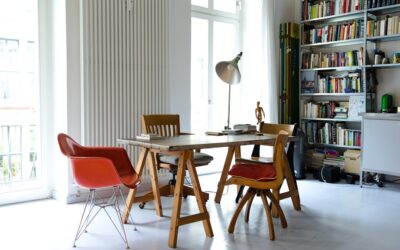
Walk into a 200-year-old French farmhouse and the floor is almost always honey-toned limestone or rough-cut slate that has been smoothed by generations of foot traffic. That patina is exactly what people are chasing when they ask about rustic stone flooring for new builds and remodels. The look is timeless. The trade-offs — weight, cold underfoot, and demanding sealing — are real and need a clear-eyed plan.
What Counts as Rustic Stone
The term covers a handful of distinct materials. Tumbled travertine has its edges rolled and pitted to mimic ancient quarry stone, then filled or left unfilled. Slate offers a riven, layered surface in charcoal, rust, and green tones. Flagstone, often Pennsylvania bluestone or Arizona red, comes in irregular shapes for a true cottage floor. Reclaimed limestone and antique terracotta deliver authentic age — the actual stones may be 100 to 400 years old.
Each has a distinct visual character and very different prices. The right pick depends on whether you want crisp lines or wabi-sabi irregularity.
Why Homeowners Choose Rustic Stone
- Visual depth — no two stones are alike, which is impossible to fake with porcelain
- Lifespan measured in centuries — many European installs are 300+ years old and still walking
- Adds property value — a real flagstone foyer routinely appraises at 1.5 to 2x its install cost
- Pairs naturally with radiant floor heating, which solves the cold-underfoot problem
- Improves with age — patina is a feature, not a flaw
Cons That Buyers Underestimate
Weight is the first surprise. Slate and limestone tile typically run 8 to 12 lbs per square foot installed, plus mortar bed. A 500 square foot kitchen floor adds nearly 2.5 tons to the structure. Older homes need a structural review before you commit; sister joists or a steel beam may be required.
Cold and hard are the other two. Stone surface temperatures can run 8 to 12°F below room temperature in winter, which is why radiant heat is almost mandatory for living spaces. The hardness is unforgiving on dropped glassware and on knees if you have small children. Area rugs in conversation zones soften both issues.
Cost Breakdown by Material
- Tumbled travertine, 16×16 inch: $4 to $9 per sq ft material
- Slate, gauged or riven: $6 to $14 per sq ft material
- Honed limestone: $8 to $16 per sq ft material
- Reclaimed terracotta or antique limestone: $20 to $60 per sq ft
- Pennsylvania bluestone flagstone: $5 to $12 per sq ft material
- Professional installation: $7 to $14 per sq ft labor
- Mortar bed, sealer, and grout: $1.50 to $3 per sq ft
- All-in installed cost: $13 to $35 per sq ft for standard materials
For a 600 square foot great room, expect $8,000 to $21,000 fully installed in mid-grade slate or travertine.
Slate Specifics
Slate’s natural cleft surface gives the most authentic rustic feel. Indian Multicolor and Brazilian Black are the two most widely available. Buyers should check for spalling — a tendency for the top layer to flake — by tapping each tile with a coin. A clear ringing sound is good; a dull thud means the layers are separating. Rejected tiles can run 5% to 10% of a pallet, so order 15% extra.
Travertine Specifics
Travertine is a sedimentary stone full of natural pits and voids. Filled and honed travertine has those voids filled with a matching epoxy and the surface ground flat — a smoother, dressier look. Tumbled and unfilled travertine keeps the holes for that aged-quarry feel. The unfilled version traps debris and crumbs, so it is best in formal spaces rather than kitchens unless you are committed to weekly steam cleaning.
Sealing Is Not Optional
- Apply a penetrating sealer like Miracle 511 Impregnator immediately after install, before grouting
- Reapply every 1 to 3 years on light-traffic floors, annually on kitchens and entries
- For added stain resistance, top with a color-enhancing sealer (StoneTech Enhancer Pro)
- Test water beading monthly — when water no longer beads up, it is time to reseal
- Avoid acidic cleaners (vinegar, citrus, bathroom cleaners) — they etch limestone and travertine
- Use neutral pH cleaners like Aqua Mix Concentrated Stone Cleaner at $25 per quart
Installation Considerations
Stone is unforgiving of subfloor movement. Plywood subfloors require an uncoupling membrane like Schluter Ditra to absorb the inevitable wood movement. Concrete slabs need a flatness check — stone tile typically requires 1/8 inch over 10 feet, tighter than wood or vinyl. Larger format flagstones in irregular shapes are generally set in a thick mud bed (1.5 to 2 inches), which is why labor costs run higher.
Grout joints range from 1/4 inch on tighter cut tiles to 1 inch or more on flagstone. Wider joints amplify the rustic feel but demand epoxy or polymer-modified grout to resist staining. Sanded grout in a charcoal or buff color reads more authentic than bright white.
Best Rooms for Rustic Stone Flooring
- Entry foyers and mudrooms — handles wet boots and salt
- Kitchens — durable, heat-resistant, and patina-friendly
- Sunrooms and conservatories — pairs with sun and indoor plants
- Wine cellars — natural temperature regulation
- Outdoor covered patios — connects indoor and outdoor zones
- Avoid in upstairs bathrooms with old framing — too heavy without reinforcement
Maintenance Realities
Day-to-day care is simple. Sweep with a soft broom or vacuum on bare-floor mode. Damp mop with neutral pH stone cleaner. Avoid Swiffer wet pads and steam mops — both can drive moisture into unsealed joints and lift sealers. Spills off limestone and travertine within 5 minutes; coffee, wine, and citrus juice will etch porous stone in under an hour. Slate is more forgiving but still benefits from quick wipes.
Final Take
Rustic stone flooring delivers a look and durability nothing else matches when budget allows. Plan for the structural weight, install radiant heat in living areas, and commit to periodic sealing. With those three boxes checked, the floor will quietly outlast the rest of the house and probably the next owner’s renovation too.
Prefer to explore on your own?
See how new flooring looks in your actual room in seconds — free, no signup.
Try the free Floor Studio →