If you have ever admired a lush, low-maintenance green roof and assumed it required a complicated custom build, there is an easier path. A sedum tile is a pre-grown modular tray of hardy succulent plants that snaps into place to create an instant living roof or green surface, no horticulture degree required. These modules have transformed green roofing from a specialist project into something a determined homeowner can install on a shed, garage, or extension. Here is how they work and whether one belongs on your property.
What a Sedum Tile Actually Is
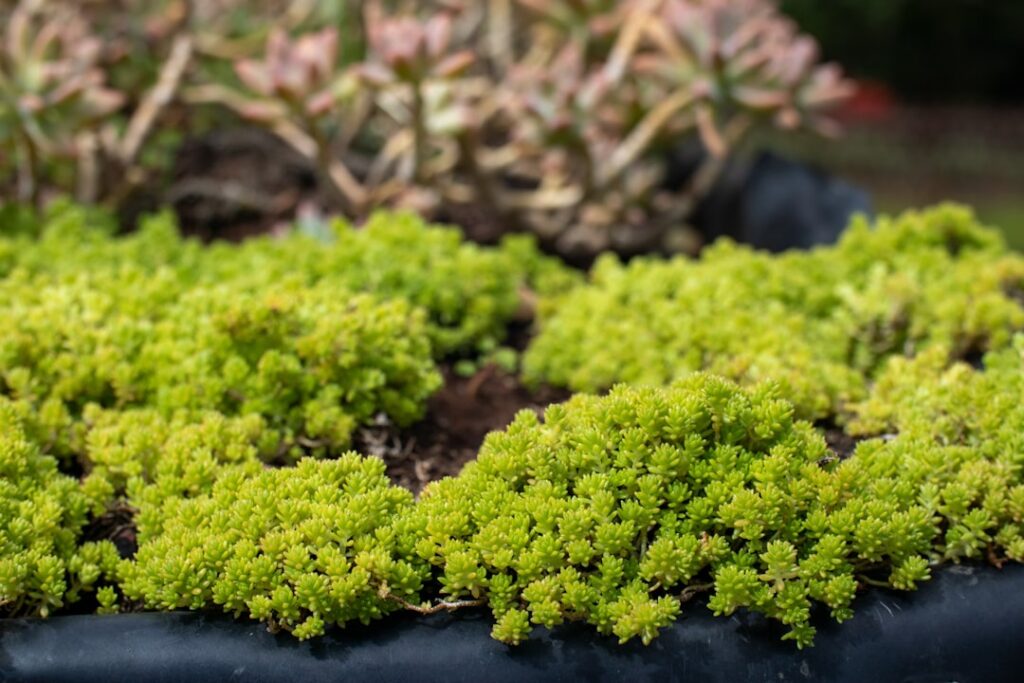
Do not let the word tile mislead you; this is not a ceramic product. A sedum tile is a lightweight tray, typically around 12 by 24 inches or similar, filled with a specialized lightweight growing medium and planted with a mix of sedum species. Sedums are drought-tolerant succulents that store water in their fleshy leaves, which is exactly why they thrive on exposed rooftops where other plants would fry.
The modules arrive pre-grown, often with 90 percent or more plant coverage already established, so you get a mature-looking green roof almost immediately rather than waiting years for seedlings to fill in. The trays interlock or butt together tightly, and the sedum growth eventually knits across the seams to form a continuous carpet of living color.
Why Homeowners Install Green Roof Modules
Beyond the striking looks, sedum roofs deliver genuine practical benefits:
- Insulation — The living layer moderates temperature, keeping the space below cooler in summer and reducing heat loss in winter.
- Stormwater management — Sedum and its substrate absorb a significant share of rainfall, easing runoff and drainage load.
- Roof protection — The green layer shields the waterproof membrane from UV and temperature extremes, extending its life.
- Biodiversity — Flowering sedums attract bees and other pollinators, adding ecological value.
- Sound dampening — The vegetated layer reduces noise from rain and outside sound.
They also look far better than a bare felt or membrane roof, turning a utilitarian shed or garage into an attractive garden feature when viewed from above or from higher windows.
Where Sedum Tiles Work Best
These modules suit flat or gently sloped roofs, generally up to about a 20 to 30 degree pitch, though steeper installations need edge restraints to hold the trays in place. Popular applications include garage roofs, garden sheds, home extensions, bike stores, and even large dog houses. Some homeowners use them on ground-level surfaces as a low green cover too.
The critical prerequisite is structural capacity. A saturated sedum roof adds real weight, so the structure must be rated to carry it. Always confirm your roof deck and framing can support a green roof system, generally on the order of 15 to 25 pounds per square foot when fully saturated, and consult a professional if you are unsure.
What It Costs
Sedum tile systems are priced by area, and the modular approach keeps installation labor manageable. Expect the pre-grown modules themselves to run roughly $15 to $30 per square foot depending on the supplier and system, with additional cost for the underlying build-up, edge trims, and drainage components.
A small shed roof might total a few hundred dollars, while a two-car garage climbs into the low thousands. That is more than leaving a bare membrane, but the modules save enormously on labor compared to a built-up green roof installed layer by layer, and the extended membrane life and energy savings offset part of the cost over time. Get quotes on both the modules and any structural or waterproofing work you may need.
Installation Basics
The modular design is what makes DIY feasible, but the layers beneath the tiles must be right. A typical build from the roof deck up looks like this:
- Confirm a sound, waterproof membrane over a structurally adequate deck; repair or upgrade the membrane first if needed.
- Add a protective root barrier if the membrane is not already root-resistant.
- Install a drainage and moisture-retention layer per the system’s instructions.
- Set edge trims or restraints around the perimeter to contain the modules and manage water.
- Lay the pre-grown sedum tiles tightly together across the surface, trimming edge modules to fit.
- Water them in thoroughly to settle the substrate and help the roots establish.
Because water and structural integrity are involved, many homeowners handle the module placement themselves but bring in a pro for membrane and structural work. Do not skip the waterproofing verification; a leak under an established green roof is a miserable repair.
Maintenance and Care
Sedum’s biggest selling point is how little it asks of you. Once established, these plants are remarkably self-sufficient, surviving on rainfall in most climates. Still, a green roof is a living system, not a set-and-forget surface, and light seasonal care keeps it thriving.
Plan on watering during extended droughts, especially in the first season while roots establish. Apply a specialized low-nitrogen green roof feed once or twice a year to keep the sedum dense and colorful. Weed out any wind-blown seedlings of grasses or trees a couple of times a year, and keep drainage outlets and gutters clear of debris. That modest routine is all a healthy sedum roof needs to look good for many years.
Seasonal Appearance and Climate Fit
One thing to set expectations on is that a sedum roof is a living surface, so its color and texture shift through the year rather than staying uniform like a synthetic finish. In spring and summer, the sedum plumps up green and many species push out small yellow, pink, and white flowers that attract bees. Come fall and winter, the same plants often take on red, bronze, and burgundy tones as they go semi-dormant, and the whole roof can look more muted and rugged. This seasonal change is part of the appeal for most owners, but if you were expecting a permanently lush green carpet, it helps to know the reality.
Climate plays a big role in how well a sedum roof thrives. These succulents are genuinely tough and handle heat, cold, and drought better than almost any other roof planting, which is why they dominate the green roof market. They perform well across most of the United States, from cold northern winters to hot, dry summers. In extremely hot, arid regions, you may need occasional supplemental watering during long dry spells, especially while the roots establish in the first season. In very wet climates, good drainage becomes critical so the roots do not sit waterlogged, and you may see more weed pressure from wind-blown seeds. Pick a sedum blend suited to your region; reputable suppliers offer mixes tuned for different climates, and matching the species to your local conditions is the single best thing you can do to ensure a dense, healthy roof that holds up for the long haul.
Is a Sedum Tile Roof Right for You?
For homeowners with a suitable flat or low-slope structure and a desire to add insulation, manage rainwater, and create a genuinely attractive green feature, sedum tiles are one of the most accessible ways to build a living roof. The pre-grown modules deliver instant coverage, the plants are famously tough, and the ongoing maintenance is light. Confirm your structure can carry the load, get the waterproofing right, and a sedum tile roof will reward you with a low-effort patch of living green that benefits both your building and the environment around it.
Prefer to explore on your own?
See how new flooring looks in your actual room in seconds — free, no signup.
Try the free Floor Studio →