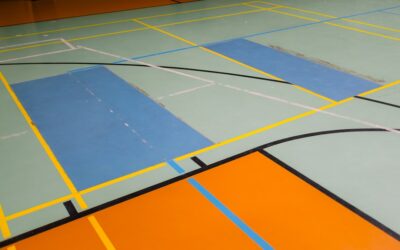
Senso is Tarkett’s residential vinyl flooring line — a name better known in Europe than in the US, but increasingly found at specialty flooring dealers and online retailers stateside. Senso flooring sits between budget LVP and premium luxury vinyl, offering a French-engineered product at a price that sometimes undercuts comparable American brands. The catch is availability and the learning curve on what “Senso” actually means in 2026.
I first encountered Senso on a vacation rental project where the owner wanted a European-styled look at a US-friendly price. The floor performed well after two years of vacation guest abuse, which says something.
What Is Senso Flooring?
Senso is the brand name Tarkett uses for several vinyl flooring product lines aimed at residential users. The collections include Senso Adjust, Senso Lock, Senso Premium, and Senso Natural. Each targets a slightly different buyer — from DIY-friendly click-lock to glue-down for heavier traffic.
Tarkett itself is one of the largest flooring manufacturers in the world, with French roots and global manufacturing. The Senso line is engineered for European homes, which means thinner profiles than typical American LVP but tighter quality control on the wear layer and printing.
Senso Flooring Product Lines
Five main lines make up the Senso family in current US distribution:
- Senso Adjust: 5-mil wear layer, peel-and-stick install — budget tier
- Senso Lock: rigid core click-lock, 4-mm thick
- Senso Premium: glue-down with 0.55-mm wear layer — best for residential
- Senso Natural: bio-attributed PVC formula, more sustainable
- Senso Rustic: deeper texture, hand-scraped style planks
Pricing in the US generally runs $2.99 to $5.99 per square foot depending on the line and retailer. The product is harder to find than mass-market brands like LifeProof or COREtec, so plan on ordering through a specialty dealer or online.
Pros of Senso Flooring
Senso has real strengths:
- European-engineered with consistent quality control
- Strong realism in wood and stone visuals
- Glue-down options for high-traffic and commercial applications
- Tarkett’s iQ surface technology resists staining without waxing
- FloorScore and PVC bio-attributed certifications on select lines
- Lower VOC emissions than many imported brands
The realism on Senso Premium especially stands out. The printing has a softer, more European aesthetic — less “Texas red oak,” more “French parquet” — that fits modern interiors well.
Cons and Limitations
Senso flooring has clear drawbacks for US buyers:
- Limited US distribution — harder to source than LifeProof or Mohawk
- Thinner wear layers than competing American LVP at similar price
- Some lines require glue-down installation (more complex DIY)
- Returns and warranty claims slower due to international supply chain
- Plank dimensions metric — accessories and trim may differ from standard US
If you live more than an hour from a Tarkett-affiliated dealer, getting samples and replacement materials becomes a logistics challenge. Big-box LVP just does not have that problem.
Installation Considerations
The click-lock Senso Lock line installs like any rigid-core LVP — floating, no glue, click joints. The Senso Premium glue-down requires troweling adhesive, which adds material cost ($0.50 to $1 per square foot for adhesive) plus time.
For first-time DIYers, choose Senso Lock. For commercial applications, rentals with heavy traffic, or any space where you want maximum stability, glue-down Senso Premium is the better technical choice.
How Senso Flooring Compares to Competitors
Against the major US LVP brands at similar price points:
- vs LifeProof: Senso has more refined visuals; LifeProof has better US support
- vs COREtec: COREtec wins on warranty and rigid core thickness
- vs Karndean: Karndean has better realism at the high end
- vs Mohawk RevWood Plus: roughly comparable, regional pricing decides
For most US homeowners, the practical question is whether the European styling justifies the harder availability. If you live in the Northeast or major metro areas with European-leaning design preferences, the answer is often yes.
Where Senso Flooring Works Best
Senso shines in spaces with European design influence — clean modern interiors, transitional kitchens with shaker cabinets, and bathroom remodels going for spa-like simplicity rather than rustic farmhouse. The plank colors and finishes lean toward muted neutrals, fitting open-plan spaces with natural materials.
Best applications:
- Open-plan living areas in modern condos
- Master bathroom suites with continental design
- Kitchens with European-style cabinetry (IKEA, Reform, Semihandmade)
- Vacation rentals targeting upscale guests
Maintenance and Longevity
Care for Senso flooring is the same as any quality vinyl — dry sweep daily in high-traffic areas, damp mop weekly with vinyl-safe cleaner, and avoid steam mops or abrasive cleaners. Tarkett’s iQ surface technology means most of the line never needs waxing or sealing.
Expect 15 to 25 years of life from properly installed Senso flooring under normal residential use, with the glue-down Senso Premium running on the higher end of that range.
Is Senso Flooring Right for You
Senso flooring earns a spot on the consideration list if you want European-engineered vinyl with refined visuals and you have access to a specialty dealer. For mass-market simplicity, US-engineered alternatives like LifeProof or COREtec offer easier sourcing and equivalent or better warranties.
Get physical samples, compare them in your own light, and verify your local installer is comfortable with Tarkett products before committing to a full order. Done right, Senso flooring delivers a high-end European look at a moderate price — a fair trade for the extra sourcing effort.
Ordering and Delivery Considerations
Because Senso flooring ships from European manufacturing facilities, lead times can stretch longer than American-made LVP. Plan on 3 to 6 weeks from order to delivery for most lines, sometimes longer for less common colors. Order at least 10 percent overage for cuts and waste — and keep an extra carton in storage for future repairs, since dye lots can shift between production runs.
Check the carton labels on delivery. All cartons should match the same lot number for color consistency. If even one carton ships from a different lot, contact the dealer before installing — mixed-lot installs can show subtle color banding across a finished floor that drives homeowners crazy two months later.
Prefer to explore on your own?
See how new flooring looks in your actual room in seconds — free, no signup.
Try the free Floor Studio →