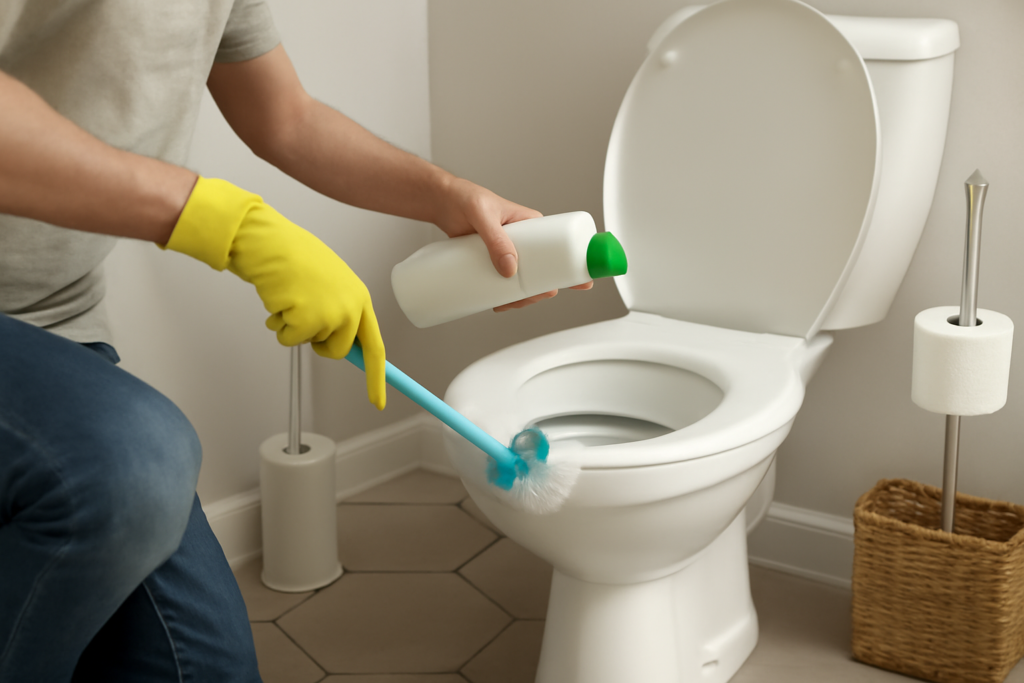
Choosing a septic safe toilet cleaner is far more important than most homeowners realize, because a septic system depends on a living colony of beneficial bacteria to break down waste, and harsh cleaning chemicals can wipe out that biology in a single flush. A healthy septic tank relies on billions of microorganisms, and a typical system represents a $5,000 to $25,000 investment that improper cleaners can quietly damage over time. Protecting that bacterial balance keeps your system working and helps you avoid premature pumping, backups, and expensive repairs.
At D and G Flooring we care about whole-home health, including the systems hidden underground that protect your property. This guide explains which ingredients harm a septic system, what to look for in a safe cleaner, and how to make effective DIY options.
How a Septic System Works
To understand why cleaner choice matters, you need to know what happens after you flush. Waste flows into the septic tank, where solids settle to the bottom and beneficial bacteria break them down into sludge and liquid. The liquid effluent then flows out to the drain field, where it filters through the soil. That entire process hinges on the bacteria staying alive and active. When harsh chemicals reach the tank, they kill those microbes, slowing decomposition, allowing solids to build up faster, and increasing the risk of clogs, odors, and system failure.
Ingredients to Avoid
The first rule of septic-safe cleaning is knowing what not to use. These common toilet-cleaner ingredients are hard on the bacterial colony:
- Chlorine bleach in large or frequent amounts, which is a powerful disinfectant that kills good bacteria along with bad.
- Ammonia and ammonia-based cleaners, which disrupt the biological balance.
- Harsh acids such as strong hydrochloric or muriatic acid bowl cleaners.
- Antibacterial and disinfectant cleaners designed specifically to kill microorganisms.
- Quaternary ammonium compounds, often listed as “quats,” found in many disinfecting products.
- In-tank bleach tablets that continuously release chlorine into every flush.
Occasional, diluted use of a small amount of bleach is generally tolerated by a healthy system, but routine heavy use is where the damage adds up.
What Makes a Cleaner Septic Safe
A truly septic-safe toilet cleaner is one that cleans effectively without destroying the tank’s biology. Look for these characteristics:
- Biodegradable formulas that break down naturally without harming bacteria.
- Plant-based or natural ingredients rather than harsh synthetic disinfectants.
- Labels that explicitly state “septic safe” or “safe for septic systems.”
- Non-toxic, low-chemical surfactants that lift grime gently.
- Oxygen-based cleaners rather than chlorine-based ones for any whitening needs.
Many mainstream brands now offer septic-safe lines, and reading the label is the surest way to confirm a product is appropriate.
Effective DIY Septic-Safe Toilet Cleaners
You can clean your toilet effectively with simple, septic-friendly pantry ingredients. These recipes are gentle on bacteria and tough on grime.
Baking Soda and Vinegar
The classic combination works beautifully. Sprinkle about half a cup of baking soda into the bowl, add a cup of white vinegar, and let the fizzing reaction work for several minutes. Scrub with a toilet brush and flush. Both ingredients are completely septic safe and naturally deodorize.
Baking Soda Scrub
For routine cleaning, sprinkle baking soda directly onto a damp brush and scrub the bowl. It provides gentle abrasion and odor control without any harsh chemicals.
Castile Soap Solution
A few drops of plant-based castile soap mixed with water makes a gentle, effective cleaner that is kind to your septic system.
Essential Oil Boost
Adding a few drops of tea tree or lavender essential oil to your baking soda gives a pleasant scent and mild antimicrobial action that is far gentler than commercial disinfectants.
How Often to Clean Without Harming the System
Regular gentle cleaning is actually good for a septic system because it keeps things flowing without shocking the bacteria. Aim to clean your toilet weekly with septic-safe products to prevent buildup. The key is consistency with mild cleaners rather than occasional blasts of harsh chemicals. A little routine maintenance with baking soda and vinegar does more good over time than periodic heavy disinfecting that damages the tank.
Other Habits That Protect Your Septic System
Cleaner choice is just one piece of septic health. These habits matter too:
- Only flush waste and toilet paper. Wipes labeled “flushable,” paper towels, and feminine products clog systems and never break down properly.
- Choose septic-safe toilet paper that dissolves quickly to reduce solids buildup.
- Avoid pouring grease, paint, or chemicals down any drain in the house.
- Conserve water to avoid overloading the tank and drain field.
- Pump the tank regularly, typically every 3 to 5 years depending on household size and tank capacity.
- Spread out laundry and dishwasher use rather than running everything at once.
Do Septic Additives Help?
Store shelves are full of bacterial additives that claim to boost your tank. A properly functioning system with a healthy household typically generates all the bacteria it needs from normal use, so additives are usually unnecessary. They are not a substitute for regular pumping and good habits. If your system has been stressed by harsh chemicals, a bacterial additive might help reestablish the colony, but the better strategy is to avoid killing the bacteria in the first place. When in doubt, consult a septic professional rather than relying on additives.
Common Mistakes to Avoid
- Using in-tank bleach tablets that release chlorine with every flush.
- Frequent heavy bleach or ammonia cleaning that kills beneficial bacteria.
- Flushing “flushable” wipes, which clog tanks and drain fields.
- Skipping regular tank pumping because the system seems fine.
- Assuming any cleaner is safe without reading the label.
Final Thoughts
A septic safe toilet cleaner protects the living bacteria that make your entire system work, helping you avoid backups, odors, and costly repairs. Steer clear of bleach, ammonia, and harsh disinfectants, reach for biodegradable products or simple baking soda and vinegar, and clean gently but consistently. Pair smart cleaner choices with good flushing habits and regular pumping, and your septic system will serve your home reliably for decades.