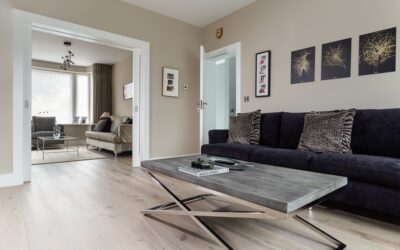
The fastest way to ruin a shabby chic room is to install floors that look brand new. Shabby chic flooring is built on the opposite idea — worn edges, soft chalky color, and the gentle wear of a floor that has been loved for decades. The style borrows from French country cottages, English farmhouses, and salvaged barns, and it has stayed popular precisely because it forgives scuffs, pets, and kids instead of showing every mark. If you want a floor that feels relaxed and lived-in from day one, here is how to get the look right without making it look cheap.
- What Shabby Chic Flooring Actually Looks Like
- Best Materials for the Look
- Pros of Shabby Chic Flooring
- Cons and Honest Drawbacks
- How to Choose the Right Option for Your Room
- Styling Shabby Chic Floors
- Care and Maintenance
- Budget Breakdown by Approach
- Common Mistakes to Avoid
- Is Shabby Chic Flooring Worth It?
What Shabby Chic Flooring Actually Looks Like
At its core, the style is about controlled imperfection. Think whitewashed oak with the grain still showing through, pale gray reclaimed pine, or distressed planks with hand-scraped texture and softened edges. Colors lean light and muted — antique white, weathered gray, soft taupe, and bleached blonde — rather than the rich espresso tones you see in modern builds.
The surface matters as much as the color. A matte or oiled finish reads far more authentic than high gloss, because real antique floors lost their shine generations ago. Wide planks, varying board widths, and visible knots all push the look toward that collected-over-time feel that defines a true cottage interior.
Best Materials for the Look
You can achieve shabby chic with several materials, each with trade-offs in cost and durability.
- Reclaimed wood: The most authentic choice. Salvaged oak, pine, or chestnut comes with genuine patina, nail holes, and saw marks. Expect $8 to $20+ per square foot, plus labor for milling and installation.
- New whitewashed or wire-brushed hardwood: Engineered or solid oak with a factory limewash finish. Runs roughly $4 to $9 per square foot and gives a cleaner, more consistent version of the style.
- Distressed LVP (luxury vinyl plank): The budget-friendly and waterproof route, usually $2 to $5 per square foot. Modern printing reproduces whitewashed and reclaimed looks convincingly, especially in textured embossed planks.
- Whitewashed laminate: The cheapest option at $1.50 to $3.50 per square foot, good for low-traffic rooms but less convincing up close.
Pros of Shabby Chic Flooring
The biggest practical advantage is that it hides life. A whitewashed, distressed surface camouflages dust, pet hair, light scratches, and small dents far better than a dark, glossy floor. Families with dogs or young children often find these floors dramatically lower-maintenance in appearance.
The style is also timeless in a way that trendy gray-on-gray schemes are not. Cottage and farmhouse looks have stayed in rotation for decades, so a well-chosen floor won’t feel dated in five years. And because variation is part of the aesthetic, you can mix board widths or even blend two coordinating tones without it looking like a mistake.
Cons and Honest Drawbacks
Authentic reclaimed wood is expensive, and supply is unpredictable — you may not be able to match a specific board if you need more later. Salvaged material can also carry old nails, hidden rot, or moisture issues, so it should be inspected and properly dried before installation.
Light, whitewashed floors show certain things more clearly: standing water, dark mud, and red-wine spills stand out against a pale surface. And while distressing hides scratches, it does not make a floor indestructible. The cheaper laminate versions can look flat and obviously printed under direct light, which undercuts the handcrafted feel the style depends on.
How to Choose the Right Option for Your Room
Match the material to how the room is used. For a true period home or a formal sitting room, reclaimed or whitewashed solid hardwood delivers the depth that cheaper products can’t fake. For kitchens, bathrooms, basements, or anywhere near moisture, distressed waterproof LVP is the smarter call — you keep the cottage look without worrying about water damage.
Pay attention to plank width and texture before color. Wide planks (5 to 8 inches) and genuine embossing do more for the aesthetic than the exact shade of white. When sampling, view boards in the actual room light at different times of day, since whitewash tones shift noticeably between warm and cool lighting.
Styling Shabby Chic Floors
The floor is only half the picture. Pale, distressed planks pair beautifully with soft furnishings — slipcovered sofas, vintage rugs, painted furniture with a worn edge, and plenty of natural linen and white. Layering an antique or faded floral rug over the floor adds warmth and reinforces the collected-over-time story.
Avoid pairing these floors with sleek, high-gloss modern fixtures, which fight the relaxed mood. Brushed brass, aged bronze, and matte black hardware sit far more comfortably alongside a weathered floor.
Care and Maintenance
Maintenance depends on the material. Oiled and limewashed wood benefits from periodic re-oiling — typically once a year in busy areas — to refresh the finish and protect the surface. Clean with a barely damp mop and a pH-neutral wood cleaner; avoid steam mops and harsh chemicals that strip protective coatings.
For LVP and laminate, routine sweeping and damp mopping is enough, and felt pads under furniture legs prevent the few scratches these floors are prone to. Whatever you choose, place mats at entries to keep grit off pale surfaces, since fine sand is what dulls and scratches a floor over time.
Budget Breakdown by Approach
Knowing where the money goes helps you decide how to spend it. The cheapest path to the look is whitewashed laminate or distressed LVP, which can deliver a convincing cottage floor for $1.50 to $5 per square foot in materials, plus straightforward floating-floor installation many homeowners tackle themselves. A mid-range engineered oak with a factory limewash finish lands around $4 to $9 per square foot in materials, balancing authenticity with predictable results.
The premium route is genuine reclaimed wood or custom-finished solid oak, where materials alone can run $8 to $20 or more per square foot before the specialized labor to mill, install, and finish salvaged boards. A practical strategy many homeowners use: invest in real wood for the main living and entry areas where it’s seen up close, and use coordinating distressed LVP in moisture-prone rooms to keep the look consistent at a lower cost.
Common Mistakes to Avoid
The biggest error is half-committing to the distressing — a floor that’s only slightly worn reads as damaged rather than intentional. Go fully into the weathered aesthetic or skip it. Another frequent misstep is choosing a high-gloss finish, which instantly modernizes the floor and fights the vintage mood; matte or oiled finishes are essential.
Watch the undertone of your whitewash, too. A whitewash with too much gray can read cold and contemporary rather than warm and cottage, so sample several tones in your actual room light. Finally, don’t pair distressed floors with sleek modern fixtures and furniture — the relaxed floor needs relaxed, layered furnishings to complete the story, or the room feels disjointed.
Is Shabby Chic Flooring Worth It?
If you love relaxed, vintage interiors and want a floor that ages gracefully instead of demanding constant babying, shabby chic flooring is a strong, lasting choice. Spend where it counts — on texture, plank width, and a quality matte finish — and you can capture the look at almost any budget. The trick is committing to the worn aesthetic fully, because a half-distressed floor reads as a mistake, while a fully committed one reads as character.
Prefer to explore on your own?
See how new flooring looks in your actual room in seconds — free, no signup.
Try the free Floor Studio →