When homeowners research flooring brands, Shaw comes up constantly, and for good reason. Shaw tile sits within one of the largest and most established flooring manufacturers in the United States, a company best known for carpet but with a deep catalog spanning hardwood, laminate, luxury vinyl, and tile. That scale means broad availability, consistent quality control, and a wide range of styles to choose from.
This guide gives you an honest, practical overview of what Shaw offers in tile, the looks you can expect, where it performs well, and what to keep in mind on cost and installation. The goal is to help you decide whether it belongs on your shortlist.
Who Shaw Is
Shaw Industries is a major American flooring manufacturer headquartered in Georgia and part of a large corporate family. The brand has decades of history and a reputation built on residential and commercial flooring sold through dealers, flooring retailers, and home centers. Because Shaw is so widely distributed, you can usually find its products, samples, and knowledgeable dealers without much hunting.
That established presence matters for a long-term purchase like tile. A big, stable manufacturer typically backs its products with clear warranties, maintains consistent production standards, and keeps popular lines in stock, which simplifies repairs and matching down the road.
Shaw’s Tile Offerings
Shaw produces tile primarily in porcelain and ceramic, the two workhorse materials for residential floors and walls. Its catalog is organized into collections that target popular design directions rather than a single look. In broad terms, you will find:
- Wood-look porcelain planks: Tiles that mimic the grain and tones of hardwood while delivering the water resistance and durability of porcelain, popular for kitchens, baths, and basements.
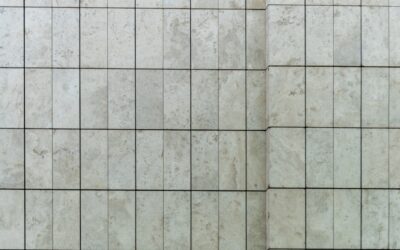
- Stone- and marble-look tile: Designs that echo natural stone, including veined marble looks and travertine tones, without the sealing demands of real stone.
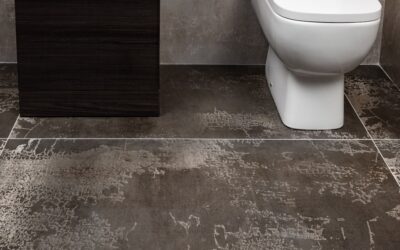
- Concrete and cement looks: Matte, industrial-inspired tiles suited to modern interiors.
- Classic field tile and wall tile: Solid colors and subtle textures for bathrooms, backsplashes, and showers.
Because collections change over time, treat specific series names as something to confirm with a current Shaw dealer or the brand’s catalog rather than assuming any one line is still available.
Porcelain vs. Ceramic in Shaw’s Line
Understanding the two materials helps you choose within the catalog. Porcelain is denser and less porous than standard ceramic, typically with water absorption at or below 0.5 percent, which makes it highly resistant to moisture, staining, and wear. It suits floors, wet areas, and even some exterior covered applications when rated for it.
Ceramic is a bit softer and more affordable, well suited to walls, backsplashes, and lighter-traffic floors. Both come in a range of finishes, and for floor use you should look for an appropriate slip-resistance rating and a PEI wear rating that matches the room’s traffic. A Shaw dealer can point you to the rating for any given tile.
The Look and Design Range
One of Shaw’s strengths is design breadth. The brand invests heavily in realistic visuals, so its wood-look and stone-look porcelains feature varied faces, multiple plank or tile sizes, and texturing meant to read convincingly underfoot. That variety lets you achieve a high-end natural look, the warmth of oak or the drama of veined marble, with the practical advantages of tile.
Larger formats and plank shapes have grown across the industry, and Shaw’s catalog reflects that, offering rectangular planks and large-format tiles alongside traditional squares and mosaic accents. This makes it possible to coordinate floors, shower walls, and accent strips within a unified design family.
What Shaw Tile Costs
Tile pricing varies widely by collection, size, and finish, and prices shift over time and by region, so treat any figure as a general range. Porcelain and ceramic tile broadly runs from a few dollars per square foot for basic options to well over $10 for premium, large-format, or specialty designs. Shaw’s tile generally sits in the mid range for a name-brand product, with the exact number depending on the specific line you choose.
Remember that the tile itself is only part of the budget. Setting materials, large-format mortar, grout, leveling clips, and especially professional installation often add as much or more than the tile. For accurate numbers, request a quote from a local Shaw dealer based on your actual tile selection and square footage rather than relying on online estimates.
Installation Considerations
Shaw tile installs like any quality porcelain or ceramic, which means preparation drives the result. A flat, sound, properly prepared substrate is essential, especially for large-format and plank tiles where any unevenness shows as lippage. The general best practices apply:
- Verify the substrate is flat, clean, and structurally sound, and use the appropriate backer board or membrane in wet areas.
- Choose a mortar suited to the tile size, using large-and-heavy-tile mortar for big formats.
- Follow recommended grout joint widths and offset patterns; keep plank offsets to one-third or less to minimize lippage.
- Seal grout where appropriate and follow Shaw’s care guidance for the specific product.
For anything beyond a small, simple area, an experienced tile installer is worth the cost. Proper layout, cutting, and setting are what make the difference between a floor that looks professional and one that telegraphs every flaw.
Warranty and Buying Tips
One advantage of buying from a large manufacturer is structured warranty coverage. Shaw, like most tile makers, offers warranties that vary by product line and intended use, so always read the specific terms for the tile you choose and confirm whether your installation, residential or commercial, is covered. Keep your purchase documentation in case you ever need to make a claim.
When you shop, request physical samples and view them in your own lighting, since tile color and texture shift dramatically between a showroom and your home. Order all the tile for a project from the same production run or dye lot when possible, because shade can vary slightly between batches. Buy 10 to 15 percent extra to cover cuts, breakage, and future repairs, and store the spares; matching tile years later is rarely possible if a lot has been discontinued.
Is Shaw Tile Right for You?
Shaw is a credible, widely available choice from a major manufacturer with a deep design range and the backing of a large, established company. If you want porcelain or ceramic tile that delivers realistic wood, stone, or concrete looks with the durability and water resistance of tile, its catalog is worth exploring. Confirm the current collections, ratings, and pricing with a local dealer, choose a tile rated for your room’s traffic and moisture, and invest in proper installation. Do that, and Shaw tile can give you a durable, attractive floor or wall that holds up for decades.
Prefer to explore on your own?
See how new flooring looks in your actual room in seconds — free, no signup.
Try the free Floor Studio →