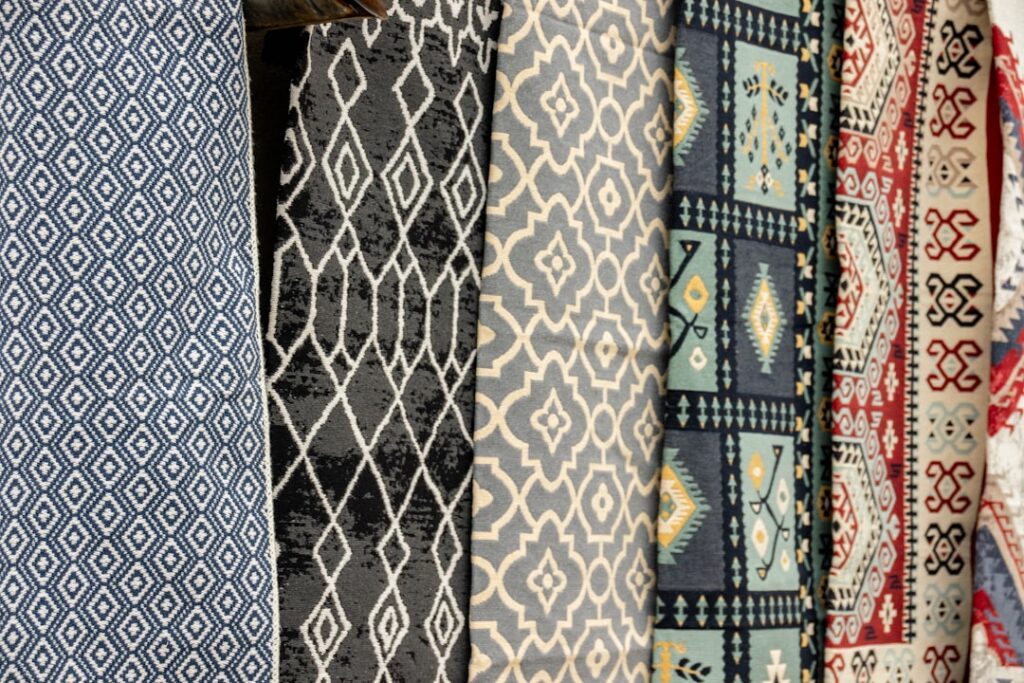
Short carpet, also called low-pile carpet, has fibers under 1/2 inch tall and a denser construction than the plush, deep-pile alternatives that dominate bedroom showrooms. Short carpet trades the cushy underfoot feel of high-pile product for dramatically better durability, easier vacuuming, lower allergen retention, and a cleaner contemporary look that works in any decade of design. For active households, pet owners, and anyone with allergies, low-pile is almost always the smarter choice.
How Pile Height Affects Performance
Carpet pile is the visible fiber standing up from the backing. Heights above 3/4 inch are considered high pile or shag. Medium pile runs 1/2 to 3/4 inch. Short pile sits at 1/4 to 1/2 inch, and ultra-short commercial styles like level-loop Berber can drop to 1/8 inch. Shorter fibers crush less under furniture, hide footprints better, and trap less debris within the pile structure.
Density matters more than height for durability. A short carpet with 6,000 face weight and tight tufting outlasts a long-pile carpet with 3,500 face weight by years. Look for face weight over 40 oz per sq yd for residential traffic and over 50 oz for high-use areas like hallways and stairs.
Major Short Carpet Styles
Berber loops the fiber rather than cutting it, creating a pebbled texture that hides dirt and traffic patterns extremely well. The classic Berber look has flecked color variations, while modern Berber comes in solid tones too. Level-loop construction keeps every loop the same height for a clean, uniform appearance. Multi-level loop creates a low-relief pattern useful for visual interest.
Short cut-pile, sometimes called textured saxony at the lower end of the pile range, gives a softer feel than loop construction while still hiding wear better than longer plush styles. Frieze in its shorter forms also qualifies as short pile and adds a curly fiber twist that masks footprints and vacuum tracks.
The Pros That Drive Buyer Decisions
Cleaning is significantly easier. Vacuum brushes reach all the way through short pile to the backing, which is where 80 percent of household dirt accumulates. High-pile carpets often need professional extraction to remove debris that consumer vacuums cannot reach. Short carpet shows results from a single pass with a quality upright.
Allergen retention drops dramatically. Dust mites, pet dander, and pollen settle into pile depth. Less depth means less retention, and HEPA vacuums can extract what does land in the fibers. Asthma and allergy sufferers consistently report fewer flare-ups in homes converted from plush to low-pile carpet.
Furniture sits flat and rolling chairs roll. Office chairs, walkers, and wheelchairs all glide over short carpet with significantly less effort than over deep pile. For accessibility-focused households, this is not a minor consideration.
The Cons to Weigh
It feels less luxurious. The plush sink-in feel of a high-pile carpet under bare feet is largely absent on short pile. For a primary bedroom where you walk barefoot first thing in the morning, that texture difference is real. Some buyers compromise by using longer-pile area rugs over short wall-to-wall installations.
Berber and tight-loop constructions can show snags from pet claws. A single pulled loop creates a visible thread that runs across multiple tufts if not cut and tucked promptly. For homes with cats that scratch or large dogs with long claws, cut-pile short carpet handles the abuse better than looped product.
Pricing You Will See
Builder-grade short carpet from chain retailers runs $1.49 to $2.99 per sq ft. Mid-range residential short pile from brands like Mohawk SmartStrand, Shaw Anso, and Beaulieu Trifecta sits at $2.99 to $4.99 per sq ft. Premium nylon and wool blend short pile from Karastan, Stanton, and Couristan reaches $5.99 to $9.99 per sq ft.
- Builder-grade polyester loop: $1.49 to $2.99 per sq ft
- Mid-range residential SmartStrand or nylon: $2.99 to $4.99 per sq ft
- Premium short pile, nylon or wool blend: $5.99 to $9.99 per sq ft
- Commercial-grade short carpet: $4.49 to $8.49 per sq ft
Add $0.65 to $0.85 per sq ft for pad and $0.75 to $1.50 per sq ft for installation. A 1,000 sq ft house in mid-tier short carpet runs $4,500 to $7,200 supplied and installed.
Best Rooms and Use Cases
Hallways, stairs, home offices, family rooms, and basements all suit short carpet. Bedrooms work well too, particularly children’s rooms where the easier cleaning matters more than barefoot luxury. Stairs especially benefit from short pile because the fibers do not crush at the nose of each step the way long pile does.
Avoid short carpet in formal living rooms where the visual impact of plush is part of the design intent. Some clients also prefer high pile in primary bedrooms for the morning underfoot feel. Match the product to the room’s actual use, not just to maximize durability everywhere.
Installation Tips
Use a denser pad than you would for plush carpet. An 8 lb density rebond pad supports the short pile properly without bouncing. Higher density also extends the carpet’s lifespan by reducing fiber stress at the backing. Power-stretch the carpet rather than knee-kicking, especially on Berber styles where seams must align tightly to disappear.
Pattern matching matters on short carpet with visible repeats. Berber and multi-level loop styles often have a pattern that runs across the seam line. Plan for 5 to 10 percent additional waste over plain styles to allow proper alignment, and have a conversation with the installer before they start cutting.
Maintenance Routine
Vacuum twice a week with a beater bar in good condition. Worn beater bars scrape rather than agitate, leaving grit embedded in the carpet. Replace the brush every 12 to 18 months. Schedule professional hot water extraction every 18 to 24 months to reach soils that vacuuming cannot remove.
Spot clean spills immediately. Short pile actually makes spot cleaning easier because less liquid soaks into the smaller fiber volume. Use a clean white cloth, blot rather than rub, and apply a fiber-appropriate cleaner. Avoid optical brighteners which leave residue that attracts new dirt.
Final Buying Advice
For most modern households, short carpet outperforms plush over a 10 to 15 year ownership window. The ease of cleaning, lower allergen load, and better wear in high-traffic zones add up to a more practical floor. Reserve high pile for the few rooms where the soft feel genuinely matters and let short carpet handle the rest of the house.