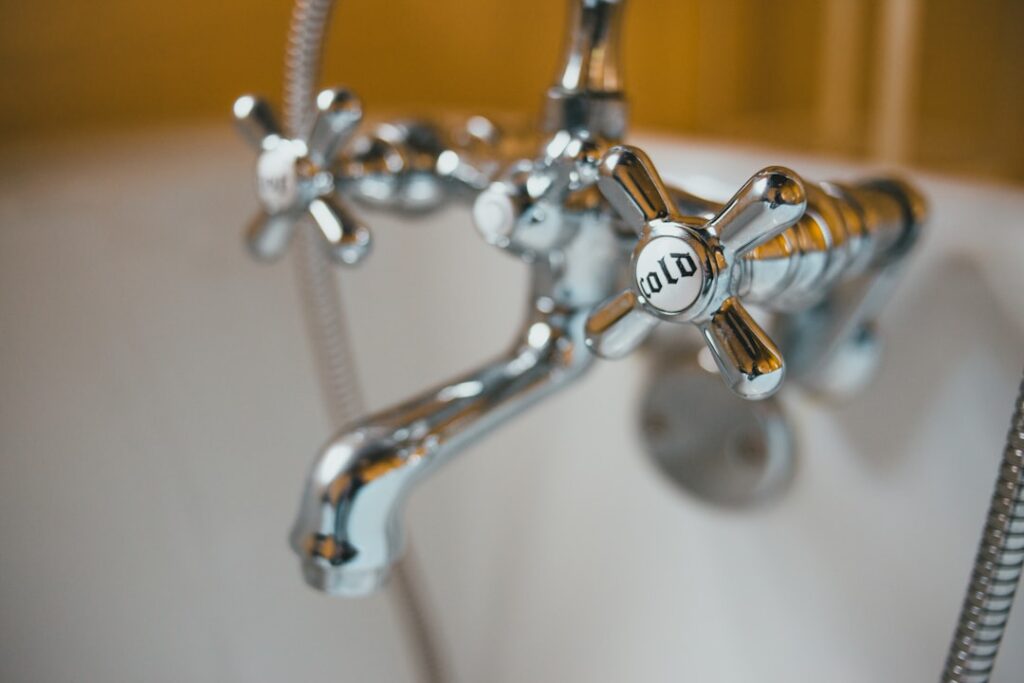
A shower tub faucet combo with valve is the complete plumbing package for any bathtub-shower combination, bundling the tub spout, showerhead, control handle, and the all-important valve into one coordinated set. Buying a combo that includes the valve rather than piecing components together ensures everything is engineered to work as a system, matches in finish, and rough-ins cleanly into your wall. For homeowners remodeling a bathroom or replacing a dated fixture, understanding what the valve does, which type to choose, and how the pieces fit together makes for a smoother project and a better-performing shower.
What the Combo Includes
A true shower tub faucet combo with valve typically contains four coordinated parts: the valve body (which mounts inside the wall and mixes hot and cold water), the trim (the handle and escutcheon you see and touch), the tub spout (usually with a built-in diverter to send water up to the showerhead), and the showerhead itself. Buying them together guarantees the trim fits the valve, the finishes match, and the diverter works correctly with the spout. Buying a valve separately from the trim is common with premium systems, but budget-friendly combos package it all together.
Why the Valve Matters Most
The valve is the heart of the system and the part homeowners overlook at their peril. It controls water temperature and flow, and critically, it provides safety features that prevent scalding. There are several valve types, and choosing the right one affects both comfort and code compliance. A cheap combo with a basic valve may save money upfront but can deliver dangerous temperature swings when another fixture runs. Investing in a quality pressure-balancing or thermostatic valve is the difference between a shower that scalds you when someone flushes a toilet and one that holds a steady, safe temperature.
Types of Shower Valves
- Pressure-balancing (anti-scald) valve: the most common residential type, it keeps temperature steady by balancing hot and cold pressure when supply pressure changes. Required by code in most areas.
- Thermostatic valve: a premium option that maintains a precise set temperature regardless of pressure or supply changes, and often allows separate volume control. Ideal for luxury showers.
- Diverter valve: not a temperature control but the mechanism that routes water between the tub spout and showerhead; often integrated into the tub spout as a pull-tab.
- Two-handle valve: separate hot and cold controls, an older style that lacks anti-scald protection unless updated.
For most homes, a single-handle pressure-balancing valve combo is the practical, code-compliant choice.
Cost of a Combo with Valve
Pricing spans a broad range based on quality and features:
- Budget combo with valve: $80 to $200 for a complete set from brands like Delta, Moen, or Pfister.
- Mid-range combo: $200 to $500 with better finishes and a quality pressure-balancing valve.
- Premium thermostatic combo: $500 to $1,500 with precise temperature control and designer trim.
- Professional installation: $250 to $700 for trim replacement, or $500 to $1,200 if the valve body must be replaced inside the wall.
Replacing just the trim on an existing valve is inexpensive; replacing the whole valve body, which requires opening the wall, is where costs climb.
Top Brands to Consider
Several manufacturers dominate the US market with reliable, widely available combos. Delta and Moen are the most popular, both offering universal rough-in valves (Delta’s MultiChoice and Moen’s Posi-Temp) that let you change trim later without replumbing, plus lifetime cartridge warranties. Pfister and American Standard offer solid budget-to-mid-range options. Kohler provides upscale designs with premium finishes. Choosing a major brand ensures replacement cartridges and parts stay available for decades, which matters when a cartridge eventually wears out.
Installation Overview
Installing a shower tub faucet combo depends on whether you are replacing trim only or the entire valve:
- Shut off the water at the main supply and open the faucet to drain the lines.
- For trim replacement: remove the old handle, escutcheon, and spout, then install the new cartridge (if included), trim, and spout, matching orientation.
- For full valve replacement: open the wall behind the shower, cut out the old valve body, and solder or use push-fit connections to install the new valve to the hot, cold, tub spout, and showerhead ports.
- Mount the showerhead arm and head, wrapping threads with plumber’s tape.
- Install the tub spout, ensuring the diverter works, using the correct slip-fit or threaded connection.
- Attach the trim and handle, then restore water and test all functions and temperature.
Trim-only jobs are DIY-friendly; full valve replacement inside a finished wall is where many homeowners call a plumber, since it involves soldering and re-waterproofing.
Rough-In Height and Placement
If you are installing a new valve, standard rough-in heights matter for comfort and function. The valve is typically set 28 to 48 inches above the tub floor, the tub spout about 4 inches above the tub rim, and the showerhead around 78 inches above the floor, though tall households often raise it higher. Getting these heights right during rough-in prevents an awkward-to-use shower later. Because the valve position is fixed once the wall is closed, measure carefully and dry-fit before soldering.
Common Mistakes to Avoid
- Skipping the anti-scald valve: an old two-handle or unbalanced valve is a burn risk and often violates code; use a pressure-balancing or thermostatic valve.
- Mismatched trim and valve: trim must match the specific valve body; confirm compatibility before buying.
- Wrong tub spout connection: spouts come in slip-fit and threaded versions; the wrong type leaks or will not attach.
- Poor waterproofing: reopening a wall for valve work means re-sealing and waterproofing properly to prevent hidden leaks.
- Forgetting future access: install an access panel behind the valve so future cartridge swaps do not require opening the wall.
Choosing the Right Combo for You
Match the combo to your needs and budget. For a standard family bathroom, a mid-range single-handle pressure-balancing combo from Delta or Moen offers reliability, easy future trim changes, and a lifetime cartridge warranty at a reasonable price. For a luxury remodel, step up to a thermostatic valve that holds a precise temperature and pairs with a rain head. Whatever you choose, prioritize a reputable brand with a universal rough-in so you are never stranded looking for obsolete parts, and match the finish across the spout, handle, and showerhead for a cohesive look.
Maintenance and Longevity
A quality combo installed correctly will serve reliably for years, but a little maintenance keeps it performing like new. The most common wear item is the cartridge inside the valve, which controls temperature and eventually develops worn seals that cause drips or temperature drift. Fortunately, major brands like Delta and Moen make the cartridge easy to replace and back it with a lifetime warranty, so the most likely repair over the life of the fixture is inexpensive. Keeping the model and cartridge number recorded near the valve makes that future repair quick.
Mineral buildup is the other enemy, especially in hard-water areas. Showerheads and tub-spout diverters clog with scale over time, weakening flow and causing the diverter to leak between outlets. Periodically soak the showerhead in white vinegar to dissolve deposits, and clean the aerator and diverter as needed. If you notice the diverter no longer holding water fully to the showerhead, a worn tub-spout diverter or valve seal is usually the cause and is a simple replacement.
Protect the finish as well. Wipe chrome, nickel, and black fixtures with a soft cloth and avoid abrasive cleaners or scouring pads that scratch or dull the surface, since finish is also warranty-covered on premium brands but far easier to preserve than restore. Run the bathroom fan to control humidity, which reduces water spotting and mildew around the trim. With an occasional cartridge swap, routine descaling, and gentle cleaning, a well-chosen combo stays safe, smooth, and attractive for the long haul.
A shower tub faucet combo with valve delivers everything your tub-shower needs in one coordinated, finish-matched package, with the valve doing the vital work of controlling temperature safely. Prioritize a quality anti-scald valve, choose a major brand with a universal rough-in, and install an access panel for the future, and you will enjoy a safe, reliable, and good-looking tub-shower for many years.