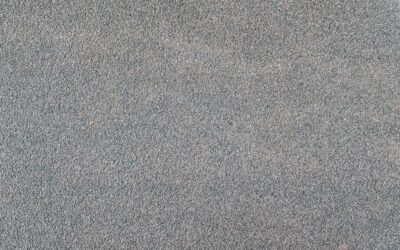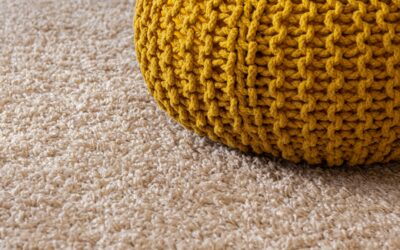
In my 20+ years of flooring experience, sisal flooring occupies a unique niche that no synthetic product has managed to replicate. It brings an earthy, textured warmth to a room that carpet cannot match and a natural aesthetic that hardwood approaches from a completely different direction. But sisal is not for every room or every lifestyle. In this guide, I will give you an honest assessment of sisal flooring, including what it costs, where it performs well, where it fails, and what alternatives might suit you better.
What Is Sisal Flooring?
Sisal is a natural fiber derived from the agave sisalana plant, which is grown primarily in Brazil, East Africa, and Mexico. The long, stiff fibers are harvested from the plant’s leaves, dried, and then woven into carpet and rug materials. Sisal has been used for centuries in rope-making and industrial applications because of its strength and durability, and its transition into flooring reflects those same qualities.
Sisal flooring comes in two primary forms. Wall-to-wall sisal carpet is installed like conventional carpet with tackless strips around the perimeter and a pad underneath. Sisal area rugs come in standard and custom sizes with bound edges and are placed over existing hard flooring. Both forms are available in a range of weave patterns including boucle, herringbone, basketweave, and twill.
The texture of sisal is distinctly different from synthetic carpet. It has a firm, slightly rough feel underfoot that some people love for its natural character and others find uncomfortable compared to soft carpet fibers. This is an important consideration that I always discuss with clients before they commit to sisal.
Sisal Flooring Cost
Sisal flooring typically costs between $5 and $15 per square foot for the material alone, with most quality products falling in the $7 to $12 range. Installation adds $2 to $5 per square foot for wall-to-wall applications. Custom-bound area rugs cost $8 to $20 per square foot depending on size and edge treatment.
For a typical 300-square-foot living room, expect to pay $2,100 to $5,100 installed for wall-to-wall sisal carpet. A 9×12 custom sisal rug runs $800 to $2,200 depending on the weave pattern and border style.
Sisal costs more than most synthetic carpets but less than high-end wool carpet. I consider it a mid-to-upper-range flooring choice that appeals to homeowners looking for natural, sustainable materials and a design-forward aesthetic.
Factors That Affect Price
The weave pattern is the biggest price variable. Simple flat weaves cost less, while complex herringbone and chevron patterns cost more because they require more material and labor to produce. The backing material also matters. Latex-backed sisal is the standard, but cotton canvas backing is available at a premium for clients who want a fully natural product. Border treatments on area rugs range from simple serging at $2-$3 per linear foot to leather or linen binding at $5-$10 per linear foot.
Pros of Sisal Flooring
Natural and Sustainable
Sisal is a renewable, biodegradable natural fiber. The agave plant grows quickly, requires minimal water and pesticides, and actually helps prevent soil erosion. For environmentally conscious homeowners, sisal is one of the greenest flooring choices available. It is also hypoallergenic because it does not trap dust and allergens the way synthetic carpet fibers do.
Extremely Durable
Sisal is one of the strongest natural fibers in the world. It resists wear and abrasion better than most other natural fiber flooring options, including jute, seagrass, and coir. In moderate-traffic areas, a quality sisal floor easily lasts 8 to 15 years. I have seen well-maintained sisal installations that still looked excellent after a decade of use in living rooms and bedrooms.
Unique Texture and Aesthetic
Nothing replicates the look and feel of sisal. The natural color variation, visible fiber construction, and tactile quality create a design element that complements both modern minimalist and traditional rustic interiors. Interior designers consistently recommend sisal for its ability to add warmth and texture without the visual heaviness of conventional carpet.
Sound Absorption
Like all carpet products, sisal absorbs sound and reduces echo in rooms with hard surfaces. This is particularly valuable in living rooms and bedrooms where noise control contributes to comfort. Sisal with a quality pad underneath provides meaningful acoustic improvement over bare hard flooring.
Anti-Static
Natural fibers like sisal do not generate static electricity the way synthetic fibers do. This is a minor but appreciated benefit, especially in dry winter climates where static buildup can be annoying.
Cons of Sisal Flooring
Water Sensitivity
This is the number one drawback of sisal, and it is significant. Sisal absorbs moisture readily and stains easily when wet. Spilled liquids can leave permanent marks, and wet sisal develops mold and mildew if not dried quickly. I never install sisal in kitchens, bathrooms, entryways, or any room where spills are likely. This limitation is the single biggest reason clients ultimately choose a different product.
Difficult to Clean
Because sisal absorbs liquids, most stains are permanent or extremely difficult to remove. You cannot steam clean sisal or use wet extraction methods without risking damage to the fibers. Dry cleaning methods work to some extent, but they have limitations. I always tell clients that sisal is a “pristine environment” flooring choice, not a practical one for messy households.
Rough Texture
Sisal is not a soft, plush flooring. The fibers are firm and slightly coarse, which can be uncomfortable for bare feet, especially for children who play on the floor. Some people develop skin irritation from prolonged contact with sisal fibers. I always recommend that clients feel a sisal sample with bare feet before committing to a purchase.
Fading
Direct sunlight causes sisal to fade and become brittle over time. Rooms with large south-facing or west-facing windows need UV-blocking treatments or window coverings to protect sisal flooring from premature degradation. This is manageable but worth considering during the planning stage.
Limited Color Options
Sisal is available primarily in natural tones ranging from creamy white to warm tan and light brown. While some manufacturers offer dyed sisal, the color range is far more limited than synthetic carpet. If you want vibrant or dark colors, sisal will not meet your needs.
Best Rooms for Sisal
Based on my experience, sisal performs best in living rooms, dining rooms, bedrooms, home offices, and hallways. These are spaces where spills are infrequent, foot traffic is moderate, and the natural texture of sisal enhances the room’s character. Sisal also works beautifully on stairs, where its durability and grip provide both aesthetic appeal and functional safety.
Rooms to Avoid
Never install sisal in bathrooms, kitchens, laundry rooms, or mudrooms. The moisture exposure in these rooms will destroy sisal quickly. I also advise against sisal in homes with young children or pets that have frequent accidents, because cleaning up liquid messes on sisal is extremely difficult and often leaves permanent damage.
Basements are another poor choice for sisal due to the higher humidity levels and risk of moisture seepage through concrete slabs. Even with a dehumidifier, the ambient moisture in most basements creates an unfavorable environment for natural fiber flooring.
Care and Maintenance
Regular Maintenance
Vacuum sisal regularly using a suction-only vacuum without a beater bar or rotating brush. Beater bars can pull and fray the fibers over time. Vacuum at least twice per week in high-traffic areas and once per week in low-traffic zones. This removes the grit and dust that accelerate fiber wear.
Dealing With Spills
Blot spills immediately with a dry white cloth. Do not rub, as this pushes the liquid deeper into the fibers. Do not use water to dilute the spill, as this will spread the stain and add moisture. For sticky spills, let the substance dry and then carefully scrape it off with a dull knife. Apply a small amount of dry cleaning powder or cornstarch to absorb remaining moisture, let it sit for several hours, and then vacuum it up.
Professional Cleaning
Sisal should only be professionally cleaned using dry extraction methods. Wet cleaning and steam cleaning can cause shrinkage, browning, and mold growth. Find a cleaner who has specific experience with natural fiber flooring. Not every carpet cleaning company understands the special requirements of sisal.
Rotating Rugs
If you use sisal area rugs, rotate them every six months to distribute wear and sun exposure evenly. This extends the life of the rug and prevents uneven fading.
Sisal Alternatives
Seagrass
Seagrass is a natural fiber that is more water-resistant than sisal because of its smooth, non-porous surface. It has a slightly glossy appearance and a smoother texture underfoot. Seagrass is my recommended alternative for clients who want a natural fiber look but need better moisture tolerance. Cost is comparable to sisal at $5 to $14 per square foot.
Jute
Jute is softer than sisal and more comfortable underfoot, but it is also less durable and even more susceptible to moisture damage. I recommend jute for low-traffic rooms like bedrooms and sitting areas where comfort is the priority. Cost runs $4 to $12 per square foot.
Coir
Coir is made from coconut husk fibers and is the roughest of all natural fiber flooring options. It is extremely durable and works well for entryway mats and high-traffic corridors. However, most people find it too coarse for living spaces. Cost is $3 to $10 per square foot.
Synthetic Sisal-Look Carpet
Several manufacturers now produce polypropylene or nylon carpet that mimics the texture and appearance of sisal. These products are stain-resistant, bleach-cleanable, and suitable for any room including kitchens and basements. They lack the natural authenticity of real sisal but solve the practical limitations. Cost is $3 to $8 per square foot, making them more budget-friendly as well.
Frequently Asked Questions
Is sisal flooring good for high-traffic areas?
Sisal is one of the most durable natural fiber flooring options and handles moderate foot traffic well. It is suitable for living rooms, hallways, and stairs. However, it is not ideal for heavily trafficked commercial spaces or entryways where moisture and dirt are constantly tracked in.
Can sisal flooring get wet?
Sisal absorbs moisture readily, and water exposure causes staining, shrinkage, and potential mold growth. Small spills should be blotted immediately with a dry cloth. Sisal should never be installed in kitchens, bathrooms, or other moisture-prone areas.
How long does sisal flooring last?
Quality sisal flooring lasts 8 to 15 years in moderate-traffic residential settings with proper maintenance. Factors that shorten its life include high foot traffic, direct sunlight exposure, and moisture contact. Regular vacuuming and prompt spill attention are the keys to maximizing sisal lifespan.
Is sisal flooring good for pets?
Sisal is a mixed choice for pet owners. Its durability resists scratching from pet claws, and cats particularly enjoy the texture for scratching. However, pet accidents involving liquid create permanent stains and odor problems that are nearly impossible to resolve. If your pets are fully house-trained, sisal can work. If accidents are a possibility, choose a synthetic alternative.
What is the difference between sisal and jute flooring?
Sisal is stiffer, more durable, and more resistant to wear than jute. Jute is softer and more comfortable underfoot but wears out faster and is even more water-sensitive than sisal. Sisal is better for living rooms, hallways, and stairs. Jute is better for bedrooms and low-traffic sitting areas where comfort is the top priority.
Prefer to explore on your own?
See how new flooring looks in your actual room in seconds — free, no signup.
Try the free Floor Studio →