Walk through any custom Spanish or Mediterranean home built since the 1990s and you will see it everywhere: those soft, hand-troweled ridges that catch the light just right. Skip trowel drywall texture is the technique behind that look, and unlike popcorn or knockdown, it ages gracefully and hides imperfections instead of highlighting them. With about $80 in materials and a free Saturday, a determined homeowner can finish a 12 by 14 foot room.
- What Skip Trowel Texture Actually Looks Like
- Tools and Materials You Need
- Preparing the Wall Surface
- Mixing the Joint Compound to the Right Consistency
- How to Apply Skip Trowel Drywall Texture
- Drying, Sanding, and Priming Before Paint
- Common Mistakes That Ruin the Finish
- Cost Compared to Hiring a Pro
- Frequently Asked Questions
What Skip Trowel Texture Actually Looks Like
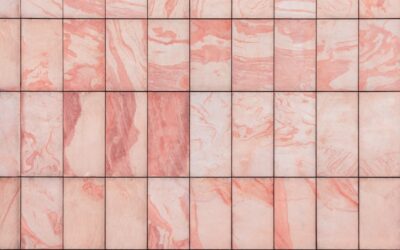
The finish reads as flat at first glance, then reveals random, thin patches of joint compound rising about 1/16 to 1/8 inch above the wall surface. Edges are feathered, never sharp. Pros call them “skips” because the trowel intentionally skips across the wall, leaving raised islands of mud surrounded by smooth drywall. The ratio of texture to flat space typically runs 60% raised, 40% smooth, but personal taste varies.
Compared to knockdown texture, skip trowel has a more organic, hand-applied feel. Knockdown sprays on as droplets that get flattened, while skip trowel is applied entirely by hand with a curved trowel. That difference is why skip trowel commands a premium on resale and why design magazines feature it on accent walls and barrel ceilings.
Tools and Materials You Need
Buying the right trowel matters more than any other decision. A flat finishing trowel will not produce the signature look. You need a curved or “Spanish lace” trowel.
- 14-inch curved Marshalltown skip trowel ($45)
- Mud pan, 14-inch ($12)
- Pre-mixed all-purpose joint compound, 4.5 gallon bucket ($18)
- Drill with paddle mixer attachment
- Spray bottle of clean water
- Drop cloths and painter’s tape
- Primer-sealer like Zinsser PVA ($25 per gallon)
- 5-gallon bucket for mixing
Skip the bargain compound. USG Sheetrock All Purpose or ProForm produces a creamier consistency that releases cleanly from the trowel.
Preparing the Wall Surface
Texture only looks as good as what is underneath. Patch any holes with setting-type compound, sand smooth, and prime the entire wall with a PVA drywall primer. Skipping primer is the number one rookie mistake; raw drywall paper sucks moisture out of the mud unevenly, causing some areas to crack while others stay workable.
Mask baseboards, ceilings, and adjacent walls with 2-inch painter’s tape. Lay down rosin paper or canvas drop cloths because dropped mud clumps will harden into rocks on plastic sheeting and ruin floor finishes.
Mixing the Joint Compound to the Right Consistency
Pre-mixed compound straight from the bucket is too stiff. Pour about a gallon into a clean 5-gallon bucket and add water in 4-ounce increments while running the paddle mixer at low speed. Aim for the consistency of soft-serve ice cream, thick enough to hold a peak but loose enough to spread without dragging. If it slumps off the trowel, you went too thin; sprinkle in dry compound to recover.
Let the mixed mud rest for 10 minutes, then re-stir. This “slaking” step lets the polymers fully hydrate and prevents pinholes from popping up during application.
How to Apply Skip Trowel Drywall Texture
Load the trowel with about a half-cup of mud along the bottom edge. Hold the trowel at roughly a 30-degree angle to the wall and pull it across in a sweeping arc, applying light pressure. The curved blade will deposit mud only where it contacts the wall, leaving the natural skips you want.
Vary your direction every pass. Go left to right, then diagonal, then right to left. Random motion is what makes the finish look hand-applied rather than mechanical. Work in sections about 4 feet wide and overlap previous passes by about 6 inches to keep wet edges from drying out.
Pacing and Timing
A practiced installer covers about 100 square feet per hour. Beginners should plan on half that. Mud sets up in 30-45 minutes depending on humidity, so do not load more than you can apply in that window. Mist the trowel with water occasionally to prevent compound from drying on the blade and dragging across your fresh texture.
Adjusting the Look
For a heavier Tuscan finish, apply two thin coats and let the first dry overnight. For a subtler effect, water the mud down further and use lighter trowel pressure. Work on a 2-by-2-foot test panel of scrap drywall first to dial in your touch before climbing the ladder.
Drying, Sanding, and Priming Before Paint
Let the texture dry a full 24 hours in normal household humidity. In humid climates or basements, give it 48 hours. The compound transitions from gray to bright white when fully cured.
Lightly knock down any sharp peaks with a 220-grit sanding sponge. You are not flattening the texture, just removing fingernail-catching edges. Vacuum the dust, wipe the wall with a tack cloth, and prime again with PVA primer before painting. Primer is essential because raw joint compound sucks paint unevenly, leaving a blotchy sheen.
Common Mistakes That Ruin the Finish
Holding the trowel too flat creates wide smears instead of distinct skips. Loading too much mud causes drips and a stucco-like buildup that looks heavy. Working in direct sunlight or under a ceiling fan dries the surface too fast and leaves visible chatter marks. Most importantly, do not chase perfection. Skip trowel is supposed to look hand-done, so resist the urge to smooth out every variation.
Cost Compared to Hiring a Pro
Hiring a drywall contractor for skip trowel runs $1.50 to $3 per square foot in most US markets, putting a 12-by-14 room at $250 to $500. DIY materials for the same space run about $80, plus another $45 if you need to buy the trowel. Add roughly six labor hours and you save real money, while gaining the ability to patch and match in the future.
Frequently Asked Questions
Can I apply skip trowel over existing painted walls?
Yes, as long as the paint is sound and not glossy. Scuff-sand glossy or semi-gloss paint with 120-grit, then prime with a bonding primer like Zinsser 1-2-3 before texturing.
How thick should the joint compound be applied?
Each skip should rise about 1/16 to 1/8 inch above the wall. Anything thicker becomes a stucco look and is more likely to crack as the compound dries.
Does skip trowel hide drywall imperfections?
It hides minor dings, light texture mismatches, and small patches well. It will not disguise major bowing, large seams, or popped fasteners. Repair structural issues first.
What paint sheen works best over skip trowel?
Eggshell or matte highlights the texture beautifully and minimizes glare. Satin works in kitchens and baths where you need washability. Avoid semi-gloss because the high reflectivity exaggerates every trowel mark.