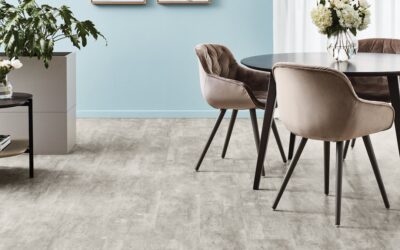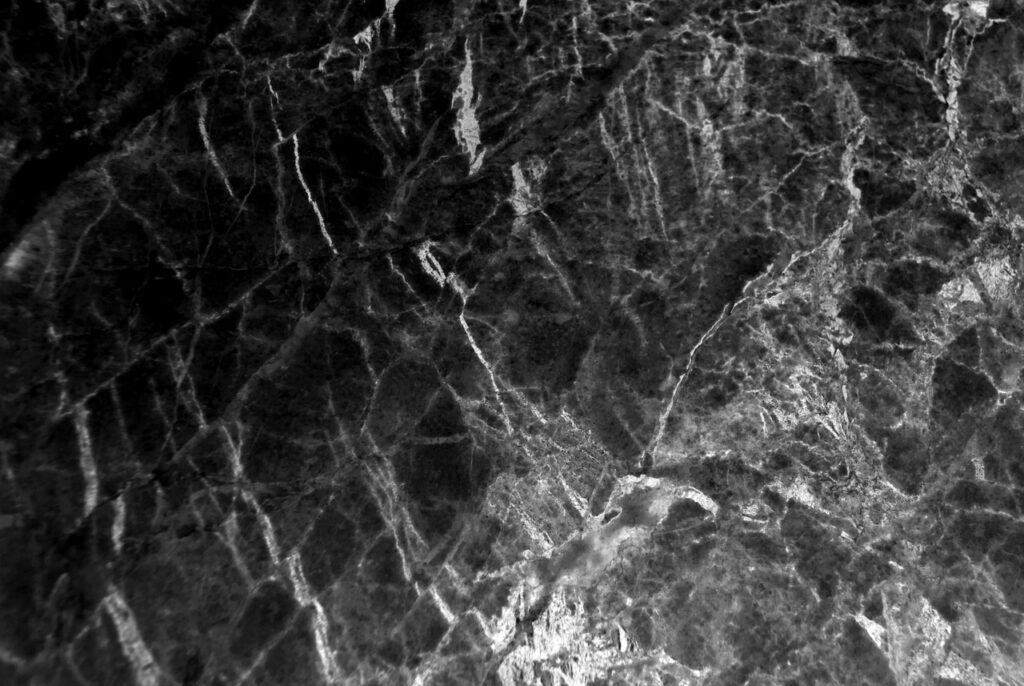
Real slate is gorgeous, cold underfoot, heavy, and unforgiving if you drop a dish on it. Slate LVP flooring was created to give you the same dramatic, layered stone look without the weight, the chill, or the bruised glassware. It’s luxury vinyl plank or tile printed and textured to imitate natural slate, complete with the riven, slightly irregular surface that makes stone feel authentic. If you love the rugged elegance of slate but not its quirks, this is the category to understand. Here’s an honest breakdown of how convincing it is and where it falls short.
What Slate LVP Actually Is
Slate LVP is luxury vinyl built to mimic stone. The look comes from a high-resolution printed image layer, and the realism comes from how that image is textured. The best products use embossed-in-register (EIR) texturing, where the physical bumps and grooves on the surface line up with the printed image, so the dark veining and cleft texture you see are also the texture you feel. Cheaper products print a slate photo on a flat or generically textured surface, which reads as fake the moment you touch it.
Many slate-look LVPs come in tile-shaped pieces rather than long planks, and some are designed with grout-look edges or are meant to be installed with grout for an even more stone-like result.
The Advantages Over Real Slate
The case for vinyl slate is mostly about practicality. Natural slate is beautiful but demanding; vinyl keeps the look and drops most of the headaches.
- Warmer and softer underfoot: Vinyl never gets stone-cold, and it has a little give, which is easier on feet, knees, and dropped dishes.
- Waterproof: Quality LVP handles spills and humidity, making it a strong fit for kitchens, baths, mudrooms, and basements.
- Lighter and DIY-friendly: No heavy stone to haul, and click-lock planks install far faster than setting and grouting real slate.
- Lower cost and no sealing: Natural slate needs periodic sealing and careful cleaning; vinyl just needs sweeping and damp mopping.
- Consistent or varied as you like: You can choose a uniform look or a product with strong color variation, whereas real slate is unpredictable.
The Honest Drawbacks
It is not stone, and on close inspection or underfoot, some people can tell. Lower-end products especially can look flat or show obvious pattern repeats where the same printed image shows up on multiple tiles. Over a large floor, a limited number of unique designs creates a recognizable repeat that breaks the illusion.
Vinyl can also dent under heavy point loads and scratch from dragged grit, and very cheap LVP may fade in strong direct sunlight. It also won’t carry the resale cachet of genuine natural stone in a high-end home. And while the surface texture mimics slate’s cleft feel, it can’t replicate the cool density and heft that stone lovers actually want.
How to Judge Realism Before You Buy
Not all slate LVP is created equal. Use these checks to separate convincing products from cheap imitations:
- Count the unique designs: More unique tile faces in the box means fewer obvious repeats across the floor.
- Feel for EIR texture: Run your hand across a sample. The bumps should follow the printed cleft and veining, not feel like random sandpaper.
- Check the wear layer: A thicker wear layer (often measured in mils) resists scratches and traffic wear better. For busy households, look for a heavier-duty rating.
- Look at the edges: Beveled or grout-look edges read more like individual stone tiles; squared edges between tiles look more like a continuous sheet.
- View a large sample: A 4-inch chip can hide a repeat. Lay out several pieces if you can.
Grout-Look and Real Grout Options
One thing that sells the slate illusion is grout lines. Some slate LVP tiles have molded grout-look beveled edges that create the impression of separate stones without any grouting work. Others are designed to be installed with a thin bead of flexible vinyl-compatible grout between tiles, which dramatically boosts realism at the cost of more labor and a small maintenance commitment. If a true stone look is your goal, a groutable slate-look LVP is the most convincing route. If you want speed and zero grout upkeep, choose tiles with built-in beveled grout-look edges instead.
Slate LVP vs Real Slate at a Glance
The decision usually comes down to priorities. Choose real slate if authenticity, density, and premium resale appeal matter most and you accept the cold surface, sealing, fragility for dropped items, and higher cost and labor. Choose slate LVP if you want a waterproof, warmer, softer, lower-maintenance floor that captures the look at a fraction of the price and installs far faster. For most kitchens, basements, and busy family spaces, vinyl is the practical winner; for a showcase entry or a luxury build, real stone may still earn its keep.
Installation and Care
Most slate LVP installs as floating click-lock or, for tiles, glue-down, over a clean, dry, flat subfloor. Flatness is critical with stone-look products because tile shapes show lippage more readily than long planks. Acclimate the material to the room first. Groutable lines require following the manufacturer’s specific spacing and grout instructions. Day to day, sweep or vacuum to remove grit (the main enemy of any vinyl), and damp mop with a pH-neutral cleaner. Avoid abrasive pads that can dull the texture.
Color and Design Considerations
Slate’s natural palette runs from deep charcoal and black to multicolored blends with rust, green, and gold undertones, and the best slate LVP captures that range. A uniform dark slate reads modern and dramatic but shows dust, lint, and pet hair more readily, so factor in cleaning if you have a busy household. Multicolored slate-look tiles hide debris better and bring warmth to a room. Consider the tile size too: larger format tiles create fewer grout-look lines and a more contemporary feel, while smaller tiles lean traditional. Test your chosen color against your wall paint, cabinetry, and lighting before committing, because slate tones can look very different in showroom fluorescents versus warm home lighting.
The Bottom Line
Slate LVP flooring is one of the more successful stone imitations on the market when you buy quality. With genuine EIR texture, plenty of unique tile faces, a solid wear layer, and grout-look or real-grout edges, it captures slate’s rugged, layered character while staying warm, waterproof, and easy to live with. It won’t fool a geologist or carry the resale weight of real stone, and bargain versions can look flat and repetitive. But for the homeowner who loves the slate aesthetic and values practicality, it’s a smart, budget-friendly choice, provided you inspect the texture and design count before you commit.
Prefer to explore on your own?
See how new flooring looks in your actual room in seconds — free, no signup.
Try the free Floor Studio →