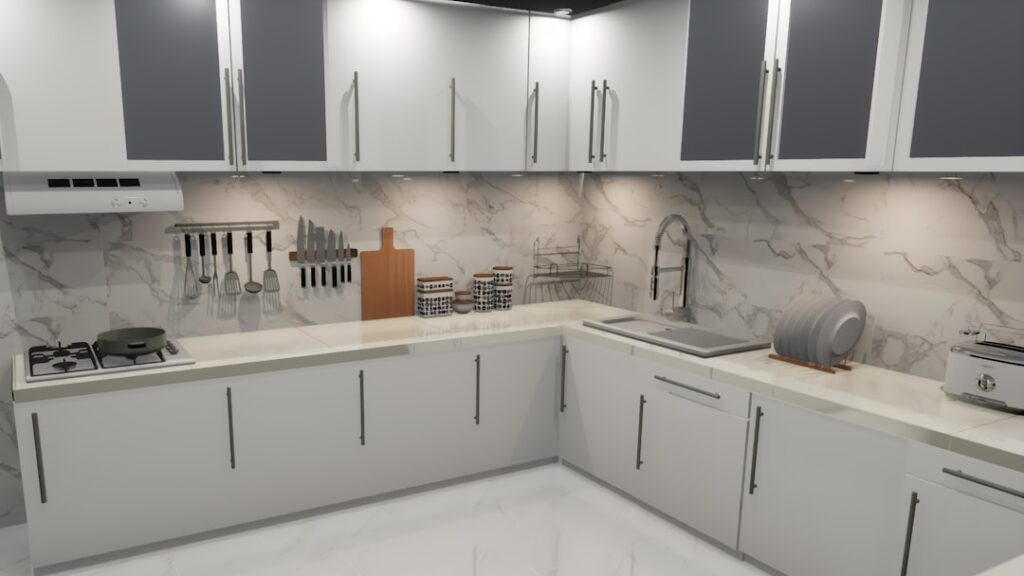
The most overlooked feature of a great kitchen is not a gadget at all, it is how the room is wired to think alongside you. Good smart kitchen design is less about cramming in the latest connected refrigerator and more about pairing genuinely useful technology with a layout that already works. A touchscreen on a poorly placed fridge solves nothing. But put smart lighting, voice control, and connected appliances on top of a well-planned work triangle, and the kitchen starts saving you steps, time, and energy every single day.
Start With the Layout, Not the Gadgets
Technology amplifies a good plan and exposes a bad one. Before you shop for anything that connects to Wi-Fi, get the fundamentals right. The classic work triangle, connecting the sink, stove, and refrigerator, should keep each leg between 4 and 9 feet so you move efficiently between them. Plan at least 36 inches of walkway clearance, and 42 to 48 inches in spaces where two cooks pass.
Once the bones are right, smart features have something solid to build on. A kitchen island with integrated outlets and USB ports, for example, only helps if the island is positioned where you actually prep and gather.
Connected Appliances Worth the Money
Not every smart appliance earns its premium, so spend where the convenience is real. The features that consistently pay off tend to be the ones you use daily or the ones that prevent expensive mistakes.
- Smart ovens with remote preheat and built-in temperature probes that text you when the roast hits target
- Induction cooktops that heat fast, stay cool to the touch around the pan, and pair with app timers
- Refrigerators with interior cameras so you can check what you have while at the store
- Dishwashers that run on off-peak energy schedules and alert you to low rinse aid
- Leak sensors under the sink and dishwasher that shut off water or send an alert before damage spreads
That last item is the unsung hero of the connected kitchen. A water leak sensor costs little and can prevent thousands of dollars in flooring and cabinet damage.
Smart Lighting That Adapts to the Task
Lighting is where smart design delivers the most for the least money. A kitchen needs three layers: ambient light for the whole room, task light over work zones, and accent light for mood. Smart bulbs and dimmer switches let you shift between them with a voice command or a single tap.
Under-cabinet LED strips on a smart switch flood the counter with bright, shadow-free task light while you cook, then dim to a warm glow for evenings. Tunable bulbs that shift from cool daylight in the morning to warm white at night make the room feel right around the clock. Set a scene called “cooking” that brings everything to full brightness, and a “dinner” scene that softens it, and you will use both constantly.
Voice Control and Central Hubs
A voice assistant turns out to be most valuable exactly when your hands are full or messy. Setting timers, converting measurements, adding items to a grocery list, and playing music are all easier spoken than tapped. A smart display mounted under a cabinet or on the counter adds video recipes and a glanceable view of timers and the day’s schedule.
Decide early whether you are building around one ecosystem or mixing brands. Standardizing on a single platform keeps everything talking to each other, while the newer Matter standard is gradually making cross-brand setups less frustrating. Either way, a stable router and good Wi-Fi coverage in the kitchen are prerequisites, since a smart kitchen full of devices that keep dropping offline is just an expensive frustration.
Outlets, Charging, and Hidden Tech
Plan power generously, because a smart kitchen is a hungry one. Pop-up outlets in the island keep cords off the counter and out of sight when not in use. A dedicated charging drawer with built-in USB outlets corrals phones and tablets. Inside cabinets, motion-activated lights and soft-close hardware add quiet convenience without screens or apps.
Think about appliance garages too. A small countertop cabinet with an outlet inside lets the coffee maker, toaster, and stand mixer stay plugged in and ready while hidden behind a door, keeping the counters clear for actual cooking.
Energy and Water Efficiency
The smartest kitchens are often the most efficient ones. Look for ENERGY STAR rated appliances, which use noticeably less electricity and water than older models. Connected dishwashers and ovens that run during off-peak utility hours can trim energy bills where time-of-use pricing applies. A smart faucet with touchless activation or measured-pour features reduces water waste and keeps handles clean while you cook with raw ingredients.
These efficiencies add up over the years a kitchen stays in service, and they make the room more comfortable and lower-maintenance at the same time.
Budgeting for a Smart Kitchen
Smart features span a huge price range, so spend with intention. The biggest savings come from adding inexpensive smart upgrades to a conventional kitchen rather than buying every premium connected appliance. Smart bulbs, smart switches, smart plugs, leak sensors, and a voice speaker together cost very little and deliver most of the day-to-day convenience people actually value.
Reserve the bigger spend for the one or two appliances where connectivity genuinely changes how you cook, such as a smart oven with a probe or an induction cooktop. A practical approach is to prioritize like this:
- High value, low cost: leak sensors, smart lighting, smart plugs, a voice assistant
- Worth it for daily cooks: a smart oven or induction cooktop with app control
- Nice but optional: a camera-equipped refrigerator or a smart faucet
Buying this way keeps the budget under control and avoids paying a premium for connected features you will rarely touch.
Designing for the Long Term
Technology dates faster than cabinets, so build flexibility into the plan. Choose appliances you can update through software, run extra conduit or empty raceways behind walls for future wiring, and avoid building delicate screens permanently into surfaces that are hard to replace. Keep the timeless elements, cabinetry, counters, and layout, neutral and durable, and let the swappable tech carry the cutting-edge features.
Smart kitchen design, at its best, is invisible. You should notice the convenience, not the technology. When the lights brighten as you start cooking, the oven texts you that dinner is ready, and a sensor quietly guards against a leak you will never see, the kitchen is doing exactly what good design should do: making daily life easier without demanding your attention. Start with a strong layout, add only the connected features you will genuinely use, and you will have a kitchen that feels modern for years rather than one chasing the next gadget.