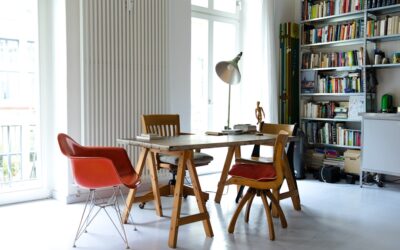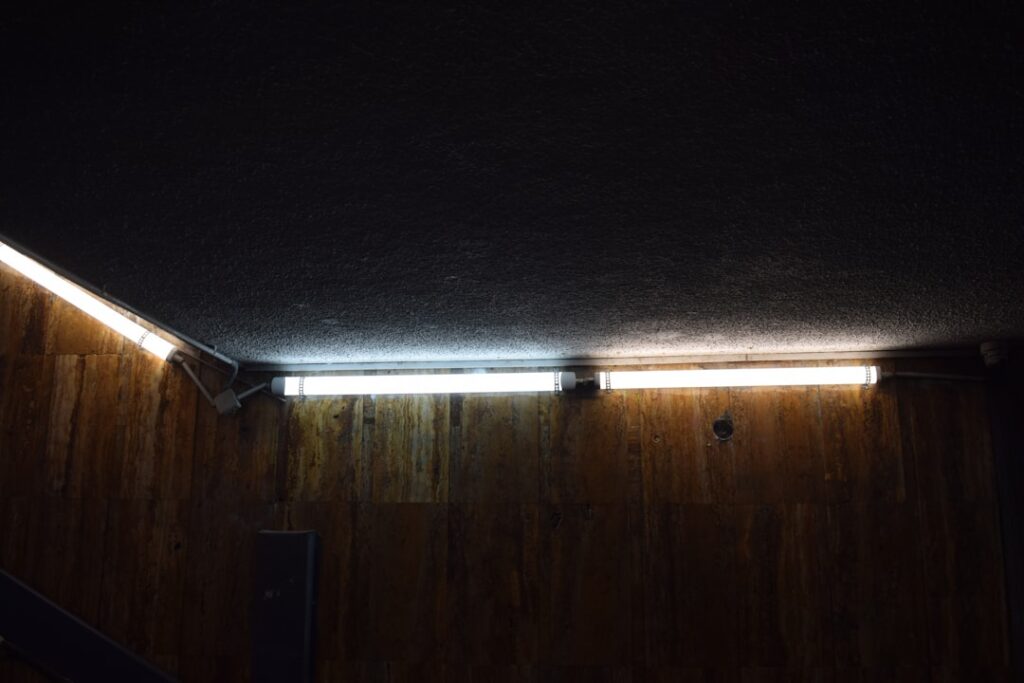
The soft white vs daylight debate comes down to color temperature and how you want each room to feel. Soft white bulbs produce a warm, yellowish glow that creates a cozy atmosphere, while daylight bulbs emit a bright, bluish-white light that mimics natural outdoor light. Choosing the right one affects everything from mood and productivity to how your flooring, paint, and furniture look. This guide breaks down the differences and gives you room-by-room recommendations.
- Understanding Color Temperature
- Soft White vs Daylight: Key Differences
- Room-by-Room Lighting Guide
- Living Room — Soft White (2,700K)
- Bedroom — Soft White (2,700K)
- Kitchen — Daylight (5,000K)
- Bathroom — Daylight (4,000–5,000K)
- Home Office — Daylight (5,000K)
- Dining Room — Soft White (2,700K)
- Garage & Workshop — Daylight (5,000K+)
- Basement — Daylight (5,000K)
- Closets & Storage — Daylight (4,000–5,000K)
- How Lighting Affects Flooring Appearance
- Other Color Temperature Options
- Best LED Bulbs for 2026
- Can You Mix Soft White and Daylight?
- Tips for Choosing the Right Bulb
- Frequently Asked Questions
- Is soft white or daylight better for eyes?
- Do soft white and daylight bulbs use the same amount of energy?
- What color temperature is best for a living room?
- Can daylight bulbs help with seasonal depression (SAD)?
- What color temperature makes a room look bigger?
- Should I use soft white or daylight in a kitchen?
Understanding Color Temperature
Color temperature is measured in Kelvins (K). The lower the number, the warmer and more yellow the light. The higher the number, the cooler and bluer the light.
| Color Temperature | Kelvins | Appearance | Common Name |
|---|---|---|---|
| Candlelight | 1,800–2,200K | Warm amber/orange | Candlelight / Vintage |
| Soft white | 2,700–3,000K | Warm yellowish-white | Soft White / Warm White |
| Bright white | 3,500–4,100K | Neutral white | Bright White / Cool White |
| Daylight | 5,000–6,500K | Bright bluish-white | Daylight |
Most residential lighting falls into either the soft white (2,700K) or daylight (5,000K) category, which is why these are the two most commonly compared options.
Soft White vs Daylight: Key Differences
| Feature | Soft White (2,700K) | Daylight (5,000K) |
|---|---|---|
| Color tone | Warm, yellowish | Cool, bluish-white |
| Mood | Cozy, relaxing, intimate | Energizing, alert, focused |
| Best time of day | Evening | Morning & afternoon |
| Color rendering | Flatters warm tones (reds, oranges, browns) | Shows true colors, especially blues & greens |
| Eye strain | Lower strain for relaxation | Better for detailed tasks |
| Energy use | Same as daylight at equal wattage | Same as soft white at equal wattage |
| Common use | Bedrooms, living rooms, dining rooms | Kitchens, bathrooms, offices, garages |
Important: color temperature does not affect brightness. A 10W LED bulb produces the same lumens (about 800 lm) whether it is soft white or daylight. Brightness is determined by lumens, not Kelvins.
Room-by-Room Lighting Guide
Living Room — Soft White (2,700K)
Living rooms are relaxation spaces. Soft white creates a warm, inviting atmosphere for conversation, TV watching, and unwinding. Use dimmable bulbs for flexibility between bright and ambient settings.
Bedroom — Soft White (2,700K)
Warm light promotes melatonin production and supports better sleep. Avoid daylight bulbs in bedrooms, especially in bedside lamps, as the blue-toned light can disrupt your circadian rhythm.
Kitchen — Daylight (5,000K)
Kitchens require clear, bright light for food prep, cooking, and cleaning. Daylight bulbs make it easier to see true food colors and spot messes on countertops and floors.
Bathroom — Daylight (4,000–5,000K)
Daylight bulbs around vanity mirrors provide the most accurate color rendering for grooming and makeup application. For a softer feel in a spa-like bathroom, use 3,500K (bright white) as a compromise.
Home Office — Daylight (5,000K)
Daylight lighting reduces eye strain during screen-intensive work and boosts alertness. Position lights to minimize glare on monitors.
Dining Room — Soft White (2,700K)
A warm glow makes food look more appetizing and creates an intimate dining atmosphere. Use a dimmable chandelier or pendant light for best results.
Garage & Workshop — Daylight (5,000K+)
Task-heavy areas demand bright, clear light. Daylight bulbs or LED shop lights at 5,000–6,500K help you see details clearly for repairs and projects.
Basement — Daylight (5,000K)
Basements lack natural light, so daylight bulbs compensate by mimicking outdoor illumination. This is especially important for basement bar areas where you want a bright, welcoming feel.
Closets & Storage — Daylight (4,000–5,000K)
Accurate color rendering helps you match clothing and find items quickly. A single daylight LED puck light transforms a dark linen closet or walk-in.
How Lighting Affects Flooring Appearance
The bulbs you choose dramatically change how your floors look. This is something many homeowners overlook when selecting flooring or remodeling.
- Hardwood floors — Soft white bulbs enhance the warm tones of oak, cherry, and walnut, making the wood look richer. Daylight bulbs can make warm-toned hardwood appear washed out. Visit our hardwood floor care guide for more.
- Gray-toned floors — Gray laminate and vinyl look best under bright white (3,500–4,000K) or daylight. Soft white may give gray floors an unwanted yellowish tint.
- White tile — Daylight bulbs keep white tile looking crisp and bright. Soft white makes white tile appear creamy or ivory.
- Dark floors — Both options work, but daylight helps prevent dark rooms from feeling cave-like. Balance with multiple light sources.
- Carpet — Warm-toned carpets (beige, tan, brown) pair better with soft white. Cool-toned carpets (gray, blue) look best under daylight.
When shopping for new flooring, bring samples home and view them under the same bulbs installed in that room. Colors shift dramatically between store lighting and home lighting.
Other Color Temperature Options
Bright White / Cool White (3,500–4,100K)
A middle ground between soft white and daylight. Popular in kitchens, bathrooms, and laundry rooms where you want bright light without the blue tone.
Tunable White / Smart Bulbs
Smart bulbs like Philips Hue and Wyze Bulb let you adjust color temperature from 2,200K to 6,500K via an app or voice assistant. This means you can have warm light in the evening and daylight during the day in the same room. Prices range from $8 to $25 per bulb.
Best LED Bulbs for 2026
| Bulb | Color Temp | Lumens | Wattage | CRI | Price (4-pack) |
|---|---|---|---|---|---|
| Philips Ultra Definition A19 | 2,700K (soft white) | 800 lm | 8.8W | 90+ | $10 |
| Philips Ultra Definition A19 | 5,000K (daylight) | 800 lm | 8.8W | 90+ | $10 |
| Cree 60W Equivalent | 2,700K | 815 lm | 8.5W | 90 | $8 |
| GE Reveal HD+ | 2,850K (enhanced) | 650 lm | 8W | 93 | $14 |
| Wyze Bulb Color | Tunable 2,200–6,500K | 800 lm | 9.5W | 93 | $8 each |
CRI (Color Rendering Index) measures how accurately a bulb displays colors compared to natural sunlight. A CRI of 90+ is considered excellent for residential use.
Can You Mix Soft White and Daylight?
Generally, avoid mixing different color temperatures in the same room, as it creates an uneven, disjointed appearance. However, there are exceptions:
- Task lighting vs ambient lighting — A daylight desk lamp in a soft-white-lit living room works well because the light zones are separate.
- Under-cabinet vs overhead — In kitchens, daylight under-cabinet lights paired with soft white overhead pendants can create a layered effect.
- Different rooms — Using soft white in the bedroom and daylight in the adjacent bathroom is perfectly fine.
Tips for Choosing the Right Bulb
- Match the room’s function — Relaxation rooms get soft white; task rooms get daylight.
- Consider your flooring and paint colors — Warm decor pairs with warm light; cool decor pairs with cool light.
- Buy dimmable bulbs — Dimming gives you flexibility. A dimmed daylight bulb is still blue-toned but less harsh.
- Check the CRI — Aim for CRI 90+ for accurate color rendering, especially in bathrooms and kitchens.
- Test before committing — Buy one bulb in each color temperature and test it in the room before buying a whole pack.
- Consider smart bulbs — For rooms with mixed use (like a kitchen that doubles as a homework area), tunable smart bulbs provide the best of both worlds.
Frequently Asked Questions
Is soft white or daylight better for eyes?
For extended reading or screen work, daylight (5,000K) reduces eye strain because it provides high contrast and clarity. For relaxation and evening activities, soft white (2,700K) is easier on the eyes and supports natural melatonin production.
Do soft white and daylight bulbs use the same amount of energy?
Yes. Color temperature does not affect energy consumption. An 8W LED produces about 800 lumens regardless of whether it is soft white or daylight.
What color temperature is best for a living room?
Soft white (2,700K) is the standard recommendation for living rooms. It creates a warm, inviting environment that flatters skin tones and warm-colored decor.
Can daylight bulbs help with seasonal depression (SAD)?
Daylight bulbs can help by providing brighter, blue-toned light that mimics natural sunlight. However, for clinical SAD treatment, doctors recommend specialized light therapy boxes that produce 10,000 lux, which is much brighter than a standard LED bulb.
What color temperature makes a room look bigger?
Daylight bulbs (5,000K) and bright white (4,000K) make rooms feel more open and spacious because they simulate natural light. Soft white can make a small room feel cozier but also smaller.
Should I use soft white or daylight in a kitchen?
Daylight (5,000K) is recommended for kitchens because it provides the clearest light for food preparation, cleaning, and identifying true food colors. If your kitchen also serves as a dining area, consider using daylight overhead and dimmable soft white over the dining table.
Last updated: March 2026