Some tile names describe a shape, but others capture a whole aesthetic. Soho tile is best understood as a style inspired by the loft-and-gallery look of urban neighborhoods like New York’s SoHo, blending industrial edge with refined, contemporary design. Rather than one fixed product, it is a vibe: clean lines, sophisticated neutrals, and materials that feel modern and a little raw. This guide explains the Soho look, the materials and finishes that create it, where to use it, and how to style it in your home.
- What the Soho Style Is
- Materials and Finishes That Create the Look
- Typical Colors
- Where to Use Soho Tile
- Design Pairings
- Layout and Grout Choices
- Lighting and the Soho Look
- Cost Considerations
- Care and Maintenance
- Choosing Tile Size for the Soho Effect
- Pairing Soho Tile With Flooring and Walls
- Final Thoughts
What the Soho Style Is
The Soho tile style draws from converted industrial loft spaces with their exposed brick, concrete, and metal, softened by clean, gallery-like finishes. Tile sold under or inspired by this name tends to lean into that urban, contemporary feel: muted tones, subtle texture, and an understated elegance. Because it is a style rather than a single specification, the look can appear across ceramic, porcelain, and glass collections, each interpreting the same modern, city-loft sensibility.
Materials and Finishes That Create the Look
Several materials capture the Soho aesthetic:
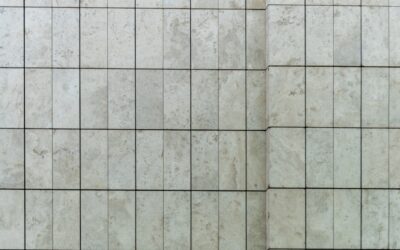
- Concrete-look porcelain: Mimics raw, industrial concrete with a soft, matte surface.
- Subway and elongated ceramic: Clean rectangular shapes that nod to classic urban interiors.
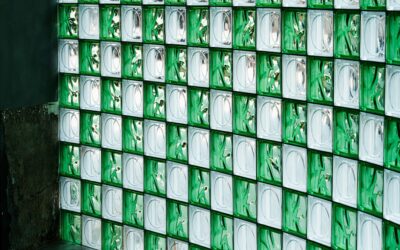
- Glass tile: Adds a sleek, reflective, modern touch.
- Matte and honed finishes: Understated surfaces that feel refined rather than flashy.
The common thread is restraint. Soho-inspired tile favors texture and tone over bold pattern, creating a sophisticated backdrop rather than a focal point that shouts.
Typical Colors
The palette is where the style really lives. Expect sophisticated neutrals: soft whites, warm and cool grays, greige, charcoal, and the occasional muted earth tone. These colors evoke concrete, plaster, and weathered urban materials. Because the tones are calm and versatile, they pair easily with both warm and cool decor, which is part of why the look has stayed popular. If you want a hint of contrast, a single deeper accent tone keeps the scheme grounded without breaking the understated mood.
Where to Use Soho Tile
The style is flexible and works across many surfaces:
- Kitchen backsplash: Clean rectangular tile in a soft neutral for a modern, gallery feel.
- Bathroom walls and floors: Concrete-look porcelain for a spa-like, urban-loft vibe.
- Living areas: Large-format floor tile that reads like polished concrete.
- Feature walls: Textured tile to echo the exposed-surface loft aesthetic.
Large-format tiles with minimal grout lines reinforce the seamless, contemporary look that defines the style.
Design Pairings
Soho-style tile is a backdrop, so let furnishings and fixtures complete the look. Pair it with matte black hardware and fixtures for an industrial edge, or with brushed brass for a warmer, more polished contrast. Natural wood tones soften the cooler concrete and gray palettes, keeping rooms from feeling cold. Minimalist cabinetry, open shelving, and clean-lined furniture all complement the aesthetic. The goal is a curated, gallery-like calm where each element has room to breathe.
Layout and Grout Choices
Layout reinforces the clean, modern feel that defines the style. Large-format tiles with thin grout lines create the seamless, gallery-like look that suits concrete-inspired surfaces, while a simple stacked or running-bond pattern keeps rectangular tile feeling contemporary rather than fussy. Grout color is a quiet but powerful choice: a grout that closely matches the tile makes the surface read as one continuous plane, which amplifies the minimalist effect. A slightly contrasting grout, by contrast, emphasizes the grid and adds subtle structure. For most Soho-inspired spaces, a tone-on-tone grout best preserves the understated, polished mood.
Lighting and the Soho Look
Lighting can make or break this aesthetic. The muted neutrals and matte finishes that define the style look richest under warm, layered light rather than a single harsh overhead fixture. In a kitchen, under-cabinet lighting grazing across a textured backsplash brings out the subtle surface variation that gives the tile depth. In a bathroom, soft sconces flanking a mirror complement the spa-like, loft-inspired feel. Because the palette leans cool and architectural, warm-temperature bulbs around 2700K to 3000K keep the space from feeling cold and clinical, balancing the industrial edge with comfort.
Cost Considerations
Because Soho is a style spread across many products, prices vary with the material you choose. Basic ceramic in the look often runs $3 to $10 per square foot, while concrete-look porcelain and large-format tiles commonly fall in the $5 to $20 range, and specialty glass or designer collections can run higher. Professional installation typically adds $7 to $15 per square foot, with large-format and intricate layouts on the higher end. Always price the specific tile and layout you want.
Care and Maintenance
Most Soho-style tile is porcelain, ceramic, or glass, which are durable and easy to maintain. Wipe surfaces with a soft cloth and a pH-neutral cleaner, and avoid abrasive pads that can scratch glossy or honed finishes. Keep grout lines clean with a soft brush, and seal grout, and any natural or unglazed tile, to resist staining. Matte concrete-look finishes hide smudges and water spots well, which is another reason the style suits busy, lived-in spaces.
Choosing Tile Size for the Soho Effect
Scale is one of the quiet levers that makes or breaks this look. Large-format tiles, anything from 12 by 24 inches up to 24 by 48 inches or larger, deliver the seamless, poured-concrete feel that defines the loft aesthetic because they minimize the number of grout lines breaking up the surface. On a floor or a feature wall, that expanse of unbroken tone reads architectural and calm. For a backsplash or a smaller bath, slimmer rectangular tiles in a stacked or running-bond layout keep the clean lines without overwhelming a tight space. Avoid busy mosaics and ornate shapes here, since they fight the restrained sensibility the style is built on. Large-format does demand a flatter substrate, so plan on proper subfloor or wall preparation and a tile leveling system to prevent lippage, where one tile edge sits higher than its neighbor.
Pairing Soho Tile With Flooring and Walls
Because the Soho palette is so neutral, it plays well with a wide range of surrounding materials, but a few pairings consistently land. Wide-plank wood or wood-look flooring in a warm, mid-tone oak or walnut grounds the cooler grays and concrete tones and keeps a room from feeling clinical. If you want a fully industrial scheme, large-format concrete-look porcelain on both floor and walls creates a continuous, gallery-like envelope that lets furniture and art do the talking. Matte black metal accents, whether window frames, shelf brackets, or fixtures, sharpen the edge, while exposed brick or a single plaster-finish wall adds the textural contrast the loft look thrives on. The principle throughout is restraint: choose two or three materials, repeat them, and resist the urge to introduce competing patterns that would crowd the deliberately spare aesthetic.
Final Thoughts
Soho tile is less a single product and more a design language: urban, industrial, and quietly sophisticated, built on neutral tones and clean lines. Use concrete-look porcelain, sleek rectangular ceramic, or subtle glass to capture the loft-inspired feel, then pair it with matte black or brass fixtures and warm wood for balance. Understated yet refined, the Soho look brings a modern, gallery-like calm to kitchens, baths, and living spaces alike.
Prefer to explore on your own?
See how new flooring looks in your actual room in seconds — free, no signup.
Try the free Floor Studio →