The average American household accumulates about 27 pounds of indoor dust each year, most of it settling in places you never vacuum. Becoming a competent spring cleaner is less about scrubbing harder and more about hitting the right targets in the right sequence. Done well, a 2,000 sq ft home takes two weekends and under $80 in supplies. Done poorly, it turns into a month-long slog that never finishes. This guide breaks the job into realistic zones with the products and timing that actually work.
Supplies to Gather Before You Start
Buying everything on day one prevents the mid-clean hardware store trips that kill momentum. A reasonable starter kit costs $60-$80 at any grocery store.
- Two microfiber cloth bundles (24 cloths total) at $15 each
- Dawn Ultra dish soap, one quart bottle at $5
- Distilled white vinegar, one gallon at $4
- Bar Keepers Friend, one 12-oz can at $3
- Bona hardwood cleaner, 32 oz at $10 (skip if no hardwood)
- Mr. Clean Magic Erasers, six-pack at $6
- Shark or Dyson cordless vacuum with crevice tool
- Two 5-gallon buckets and a squeegee
- Heavy-duty trash bags, 3-mil contractor grade
Skip the specialty cleaners for nearly every surface. Dawn diluted at one teaspoon per gallon of warm water handles 80 percent of household grime.
Start High, Work Low
Gravity pulls dust and debris downward. Cleaning floors before ceiling fans means cleaning your floors twice. Work every room from the highest surface to the lowest without exception.
Begin with ceiling fans, pulling the dust blanket off each blade with an old pillowcase slipped over the blade then pulled back. Move to light fixtures, top of cabinets, crown molding, door frames, baseboards, and finally floors. A single room follows this vertical sequence in about 40 minutes.
Kitchen Deep Clean
The kitchen holds more hidden grime than any other room. Tackle it over a full Saturday when you can empty cabinets and pull the range out from the wall.
Start with the oven. A self-cleaning cycle runs 3-4 hours and reaches 900°F, which turns baked-on grease to ash you can wipe out. For oven interiors without self-clean, spread a paste of baking soda and water on the walls overnight then wipe with vinegar spray. Run the dishwasher empty with a cup of white vinegar on the top rack at the hottest setting to descale the heating element.
Pull the range forward on its feet and vacuum the floor and wall behind. Degrease the range hood filter by soaking in hot water with a tablespoon of dish soap and quarter cup of baking soda for 20 minutes. Wipe down every cabinet front with a cloth dampened in Dawn solution, paying attention to the area above the stove where airborne grease settles.
Bathroom Reset
Bathrooms need a harder reset than most rooms because biofilm builds up in places daily cleaning never touches.
- Soak shower heads in a Ziploc bag of vinegar tied to the fixture for two hours to dissolve mineral scale.
- Scrub grout lines with a grout brush and a paste of Bar Keepers Friend. Rinse with clean water.
- Remove and wash shower curtain liner on cold with two towels for agitation.
- Empty every drawer and vanity. Wipe interior with a damp cloth, then toss expired products.
- Clean toilet bowl with a pumice stone for hard water rings, not bleach, which only whitens the stain.
Regrouting a shower costs $400-$700 if the existing grout has cracked or grown permanent mildew. Caulk replacement at the tub-wall joint is a 45-minute DIY job with a $6 tube of GE Silicone II and a razor blade.
Bedrooms and Closets
Strip beds and wash comforters, mattress protectors, and pillow cases in hot water. Rotate mattresses 180 degrees and vacuum the top surface with the upholstery attachment. Pillows more than 18 months old should get replaced since they double in weight from dust mites.
Closets benefit from the three-bag method: keep, donate, discard. Anything you have not worn in 12 months goes in the donate bag. Wipe shelving with a damp microfiber cloth and let it dry fully before restocking. Rotate seasonal clothing to under-bed bins or high shelves.
Floors and Carpets
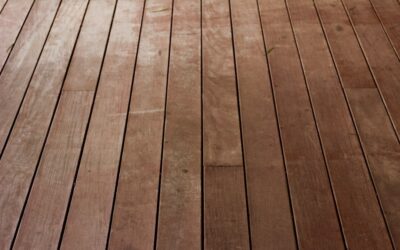
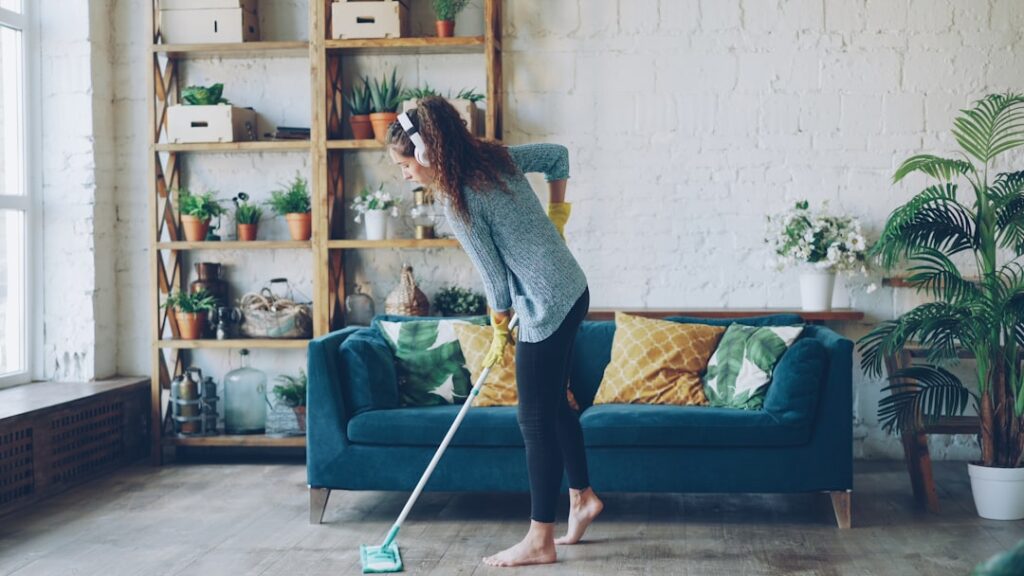
Hard floors need a two-step approach: vacuum first with a brush roll that can lift to avoid scratching, then damp mop with the product matched to the floor type. Hardwood gets Bona or similar pH-neutral cleaner at $10 per 32 oz. Tile takes hot water with a quarter cup of white vinegar per gallon. Vinyl plank handles the same vinegar mix or Better Life Floor Cleaner.
Carpet deserves a rental machine once a year. A Rug Doctor at Home Depot rents for $40 per 24 hours plus $30 in solution. Pre-treat traffic lanes with a 50/50 mix of white vinegar and water, let sit for 10 minutes, then extract. Open windows for 4-6 hours after to speed drying and prevent moisture smells.
Windows, Screens, and Exterior Touches
Interior window cleaning takes two cloths per window: one damp with a squirt of Dawn in water, one dry microfiber for buffing. Screens pop out with a gentle flex and clean in the driveway with a soft brush and the garden hose. Let them air-dry before reinstalling.
Exterior glass needs a pole squeegee and a $20 Unger bucket. Work in early morning or late afternoon to avoid sun drying the solution before you wipe, which leaves streaks. Outdoor cobwebs clear with a 12-foot extension pole and a soft brush head in about 20 minutes around a typical home.
Realistic Schedule for the Full Job
Trying to clean the whole house in one day leads to skipped zones and sore backs. Split the project into four 4-hour sessions across two weekends. Saturday morning of weekend one handles the kitchen. Saturday afternoon hits the main-level living spaces and windows. Sunday morning tackles bedrooms and closets. The following weekend covers bathrooms, laundry, and floors.
Bring music, coffee, and comfortable shoes. A focused spring cleaner finishes a 2,000 sq ft home in 14-18 working hours spread across the schedule. Rushing the job is how you miss ceiling fan blades and the top of the fridge. Pacing yourself is how you actually enjoy the results afterward.