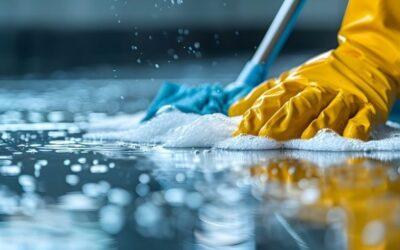
A steam mop can sanitize a floor with nothing but tap water, killing up to 99.9 percent of common bacteria with no chemicals at all. But reach for a steamer for cleaning floors on the wrong surface, and that same heat and moisture can warp planks, dissolve adhesives, and void your flooring warranty. The single most important thing to know before you buy or use one is which floors love steam and which ones it slowly destroys. Get that right, and a steam mop becomes one of the most satisfying cleaning tools you own.
How a Steam Mop Actually Works
A steam mop heats water in an internal reservoir to roughly 200 to 250 degrees Fahrenheit, then releases it as vapor through a microfiber pad pressed against the floor. The heat loosens grime and kills germs while the pad wipes everything away. Because the water is hot vapor rather than a puddle, a properly used steam mop leaves very little standing moisture and dries in seconds.
That last point is the whole story. The danger is never the steam itself but moisture finding its way into seams, cracks, or unsealed surfaces where it swells and damages the material from within.
Floors That Are Safe to Steam
Hard, sealed, non-porous floors are the ideal candidates. Steam cleans them deeply with zero risk when the surface is intact.
- Glazed ceramic and porcelain tile: The gold standard for steam mopping. Heat blasts grout lines clean and sanitizes the surface.
- Sealed natural stone: Marble, granite, and slate can be steamed if the sealer is in good shape, though frequent steaming can wear sealant over time.
- Sealed concrete: Durable and steam-friendly.
- Some sealed vinyl and luxury vinyl: Only if the manufacturer explicitly approves steam, and only on the lowest setting.
Floors You Should Never Steam
This is where most damage happens. Several common floors react badly to heat and moisture, and a steamer can ruin them permanently.
- Hardwood and engineered wood: Even sealed hardwood has micro-gaps at the seams. Steam drives moisture into the wood, causing cupping, warping, and a cloudy finish. Most wood-floor manufacturers void the warranty if you steam mop.
- Laminate: Laminate has a fiberboard core that swells when moisture penetrates the seams. Steam mopping causes edges to bubble and peel.
- Unsealed or waxed floors: Steam strips wax and penetrates unsealed stone or concrete, leaving stains and damage.
- Vinyl with glued seams: Heat can soften the adhesive holding planks or sheets down, causing lifting.
When in doubt, check the flooring manufacturer’s care instructions. The phrase “do not use steam mops” appears on most wood and laminate warranties for a reason.
Choosing the Right Steam Mop
If your home is mostly tile or sealed stone, a steam mop is a worthwhile $40 to $120 investment. Look for adjustable steam settings so you can dial down output for delicate surfaces, a quick 30-second heat-up, and washable microfiber pads. Popular models like the Shark Genius and Bissell PowerFresh include carpet glides and scent discs, while the lightweight O-Cedar and Black+Decker units keep things simple and affordable.
A swiveling head, a generous water tank for fewer refills, and a long cord all make the job less frustrating. Steam mops with a triangular head reach into corners and along baseboards better than rectangular ones.
How to Steam Mop Correctly
Technique protects both your floor and your results. Always sweep or vacuum first, because dragging grit under a steam pad scratches the surface. Fill the tank with distilled water if your area has hard water, which prevents mineral buildup in the heating element.
Work in slow, overlapping passes, lifting the mop between strokes rather than letting it sit in one spot, where concentrated steam can damage even safe surfaces. Use the lowest effective steam setting, and swap to a fresh pad when the current one looks dirty so you are wiping clean rather than smearing.
Steam Mop vs Traditional Mop and Other Tools
It helps to know where a steam mop fits among your other cleaning options, because it is not always the right tool. A traditional string or flat mop with a bucket handles any floor type, including the wood and laminate a steamer cannot touch, and costs far less. A spin mop wrings out excess water for safer use on sealed wood. A spray mop, which mists a controlled amount of cleaner, is gentle enough for laminate and engineered wood where steam is forbidden.
The steam mop’s edge is sanitizing power on hard, sealed surfaces without chemicals. For a home with mostly tile, it is the better daily tool. For a home with hardwood or laminate, a spray mop or barely-damp flat mop is the safer everyday choice, with the steamer reserved for the tile entryway, bathroom, or kitchen.
Common Steam Mopping Mistakes
Even on safe floors, a few habits cause damage or poor results. Avoid these to protect your floors and get a better clean.
- Letting the mop linger in one spot: Concentrated steam can dull finishes or work moisture into grout.
- Skipping the sweep: Dragging grit under the pad scratches the surface.
- Using a dirty pad: A grimy pad smears soil rather than lifting it.
- Adding cleaning solutions to the tank: Most units are designed for water only, and additives clog the heating element.
- Steaming an unsealed or worn floor: Always confirm the sealer is intact first.
Maintenance and Smart Habits
After each use, empty the tank, remove the pad, and let everything dry to prevent mildew. Machine-wash pads without fabric softener, which clogs the microfiber. Descale the unit every month or two if you use tap water.
Used on the right surfaces, a steamer for cleaning floors delivers a chemical-free, deeply sanitized clean that mops and chemicals struggle to match. Keep it on sealed tile and stone, keep it off hardwood and laminate, and it will earn its place in your cleaning closet for years.
Prefer to explore on your own?
See how new flooring looks in your actual room in seconds — free, no signup.
Try the free Floor Studio →