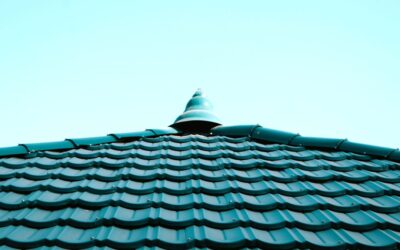
Metal roofing no longer means the corrugated barn look. Steel roof shingles are pressed and coated to mimic slate, wood shake, or classic asphalt shingles, giving homeowners the 50-year durability of metal with the familiar appearance of a traditional roof. They cost more upfront than asphalt, but they can be the last roof you ever buy. This guide breaks down the styles, real-world costs, lifespan, and the honest pros and cons so you can decide whether steel shingles fit your home and budget.
- What Steel Roof Shingles Are
- Styles and Profiles
- How Much Steel Shingles Cost
- Lifespan and Durability
- Energy Efficiency
- The Downsides to Weigh
- Steel Shingles vs. Standing Seam Metal
- Installation Considerations
- Are Steel Roof Shingles Right for You?
- Steel Shingles vs. Asphalt: The Long-Term Math
- Maintenance and Care
- Frequently Asked Questions
What Steel Roof Shingles Are
Steel shingles are individual metal panels, typically stamped from galvanized or Galvalume-coated steel, then finished with a stone-coating or a baked-on paint system. They interlock on all four sides and lock into the courses above and below, creating a wind- and water-resistant shell. Unlike standing-seam metal roofing, which runs in long vertical panels, steel shingles install in overlapping rows that read like a conventional shingle roof from the ground. That makes them a popular choice in neighborhoods where a slick metal panel would look out of place.
Styles and Profiles
The whole appeal of steel shingles is that they can imitate premium materials at a lower weight and price. Common profiles include:
- Slate look: Sharp, rectangular tiles that mimic natural slate without the crushing weight or fragility.
- Wood shake look: Textured, staggered panels that replicate cedar shakes but never rot, split, or attract insects.
- Dimensional asphalt look: The most subtle option, blending into a street of ordinary shingle roofs.
- Tile look: Barrel-profile panels that echo Spanish clay tile at a fraction of the weight.
Finishes come in two families: stone-coated steel, which bonds crushed stone granules to the surface for a matte, textured look, and painted Kynar/PVDF finishes, which offer bold, fade-resistant color.
How Much Steel Shingles Cost
Steel shingles sit well above asphalt but below premium slate or copper. Installed pricing typically runs:
- Steel shingles installed: $9 to $16 per square foot, or $900 to $1,600 per roofing square (100 square feet).
- A typical 2,000-square-foot roof: $18,000 to $32,000 installed.
- By comparison, asphalt: $4 to $8 per square foot installed.
The upfront number is roughly two to three times asphalt, but the math changes over time. An asphalt roof lasts 15 to 25 years, so you may buy two or three of them in the lifespan of one steel roof.
Lifespan and Durability
This is where steel earns its premium. A properly installed steel shingle roof lasts 40 to 70 years, and many carry 50-year or lifetime warranties. Steel handles the extremes that shorten other roofs:
- Wind: Interlocking shingles resist gusts up to 120 to 140 mph.
- Fire: Steel is non-combustible and typically carries a Class A fire rating, valuable in wildfire regions.
- Snow and ice: Smooth or granulated surfaces shed snow and resist ice-dam damage.
- Rot and pests: Immune to the insects, mold, and moss that degrade wood and asphalt.
The stone coating or Kynar finish protects the steel from rust, and quality panels use Galvalume, an aluminum-zinc coating that dramatically outlasts plain galvanizing.
Energy Efficiency
Steel shingles reflect solar heat rather than absorbing it like dark asphalt, and many carry reflective coatings that qualify as cool roofs. In hot climates this can cut summer cooling costs by 10 to 25 percent. Paired with a ventilated air gap during installation, steel keeps attics cooler and reduces the heat load on your HVAC system. The material is also fully recyclable and often contains recycled content, which appeals to environmentally minded homeowners.
The Downsides to Weigh
Steel shingles are not perfect, and an honest look at the drawbacks helps set expectations. The high upfront cost is the biggest barrier, and the payback comes only if you stay in the home long enough to benefit from the long life. Installation requires an experienced metal-roofing crew; a general roofer without metal experience can create leaks at the flashing and valleys. Denting is possible from large hail, though stone-coated products hide minor dings well. Some homeowners find rain noisier on metal, though solid decking and underlayment reduce this to a level comparable with asphalt. Finally, repairs and future matching can be trickier than with common asphalt shingles.
Steel Shingles vs. Standing Seam Metal
If you have decided on metal, the next question is shingles versus standing seam. Standing seam uses continuous vertical panels with raised, concealed-fastener seams for a sleek, modern look and slightly better water shedding on low slopes. It usually costs a bit more and reads as distinctly contemporary. Steel shingles win on traditional curb appeal, are easier to install on complex rooflines with many valleys and dormers, and let you replace individual damaged pieces. Choose standing seam for a modern home or low slope, and steel shingles for a traditional look or a cut-up roof.
Installation Considerations
Steel shingles can often be installed over a single layer of existing asphalt with furring strips, saving tear-off cost, though a full tear-off with fresh underlayment gives the best result. The crew installs an underlayment, then works up from the eaves, interlocking each course and fastening with hidden clips or nails into the deck. Proper flashing at valleys, chimneys, and roof-wall intersections is where quality is made or lost, so vet your contractor’s metal experience and ask to see local steel-roof references before signing.
Are Steel Roof Shingles Right for You?
Steel roof shingles make the most sense if you plan to stay in your home long-term, live in an area with wind, fire, or heavy weather, and want the look of slate or shake without the weight, fragility, or maintenance. The upfront cost is real, but so is a roof that may never need replacing. For a forever home, that combination of longevity, fire safety, and low maintenance makes steel shingles one of the strongest long-term values in residential roofing.
Steel Shingles vs. Asphalt: The Long-Term Math
The upfront price gap looks daunting, but the lifetime comparison tells a different story. An asphalt roof costs $4 to $8 per square foot and lasts 15 to 25 years, so over a 50-year window you may buy two or three of them, plus the tear-off labor each time. A steel shingle roof costs $9 to $16 per square foot but can last 50 years or more on a single installation. Add in lower insurance premiums in fire and wind zones, reduced summer cooling bills from reflective coatings, and the avoided cost of repeated replacements, and steel often comes out ahead for anyone staying in the home long-term. The break-even point typically lands somewhere in the 20-to-30-year range.
Maintenance and Care
One of steel’s quiet advantages is how little it asks of you. There are no granules washing off into the gutters like asphalt, no moss or rot to treat like wood, and no cracking like clay tile. A yearly visual inspection and keeping the roof and gutters clear of debris is usually enough. Touch up any scratches that expose bare steel to prevent rust, and after a major hail or wind event, have the flashing and seams checked. Because individual shingles can be replaced, isolated damage is a minor repair rather than a full re-roof.
Frequently Asked Questions
How long do steel roof shingles last?
A properly installed steel shingle roof lasts 40 to 70 years, and many carry 50-year or lifetime warranties. That is two to three times the life of a typical asphalt roof, which is the core of steel’s long-term value.
Are steel shingles noisy in the rain?
Not appreciably. When installed over solid roof decking with underlayment, as residential steel roofs are, the sound level is comparable to asphalt shingles. The loud drumming people remember comes from bare metal barns without decking beneath.
Can steel shingles be installed over existing shingles?
Often yes, over a single layer of asphalt using furring strips, which saves tear-off cost. However, a full tear-off with fresh underlayment gives the best long-term result and lets the installer inspect the decking. Check local code, which may limit roof-over installations.
Do steel roofs attract lightning?
No. Metal roofing does not increase the likelihood of a lightning strike, and because steel is non-combustible, it actually makes a home safer if lightning does strike by dispersing the energy without igniting.