Stand in any tile aisle or browse a dinnerware catalog and you will see both words used almost interchangeably, which is exactly how shoppers end up confused. The truth is that stoneware vs porcelain is a real distinction with practical consequences for durability, water resistance, and where each material belongs in your home. Both are fired clay, both are tough, but they are made differently and they perform differently. Knowing which is which helps you avoid paying for the wrong product or installing tile that fails in the wrong room.
The Core Difference: Clay and Firing Temperature
Everything comes down to the raw materials and how hot the kiln gets. Porcelain is made from a refined, fine-grained clay (kaolin) with added minerals, fired at very high temperatures, typically 2,200°F to 2,650°F. This creates an extremely dense, glass-like body. Stoneware uses a coarser, more natural clay fired at lower temperatures, roughly 2,150°F to 2,330°F, producing a body that is durable but slightly more porous.
That single difference in density ripples through every property that matters. Porcelain ends up harder, denser, and nearly waterproof. Stoneware stays a touch more absorbent and a little less brittle. Neither is universally better; they are simply optimized for different jobs.
Water Absorption Is the Dividing Line
If you remember one thing, make it this. Industry standards define porcelain tile as having a water absorption rate of 0.5 percent or less. Stoneware and standard ceramic tiles absorb more, typically in the 0.5 to 3 percent range or higher. That low absorption is why porcelain is the go-to for bathrooms, showers, mudrooms, and outdoor patios where moisture and freeze-thaw cycles destroy lesser materials.
Stoneware, being slightly more porous, is better suited to interior floors and walls that stay dry, or to dinnerware where a glaze handles the waterproofing. Use stoneware tile outdoors in a freezing climate and trapped water can expand and crack it.
Durability and Strength
Porcelain wins on raw hardness. Its dense body resists chips, scratches, and heavy traffic, which is why it dominates commercial floors and high-use residential spaces. Many porcelain tiles are through-body, meaning the color runs all the way through, so a chip is far less visible.
Stoneware is no pushover, though. It is genuinely strong and resists thermal shock well, which is one reason stoneware is beloved for baking dishes and dinnerware that move from refrigerator to oven. For tile, stoneware handles normal household use just fine; it simply will not take the same industrial abuse as porcelain.
Appearance and Feel
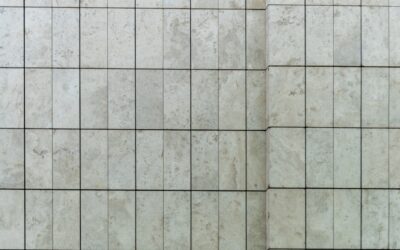
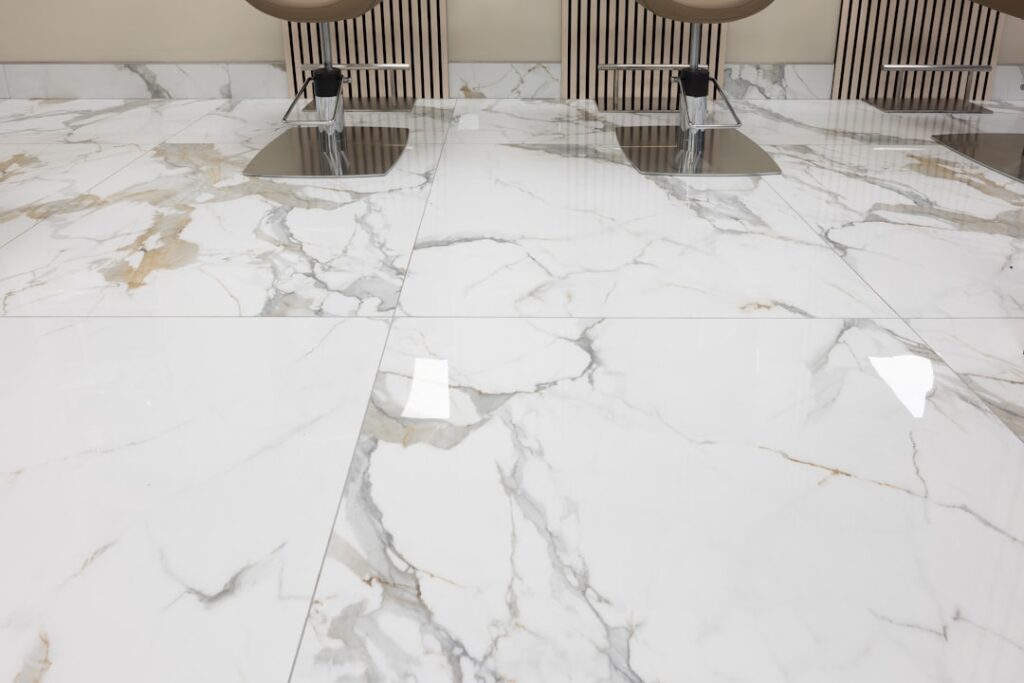
The two materials offer different aesthetics. Stoneware has a warmer, more earthy, handcrafted character, with subtle color variation and a slightly rustic quality that many people love for farmhouse and traditional kitchens. Porcelain is more uniform and can be manufactured to mimic almost anything, from marble to weathered wood to concrete, with stunning realism.
- Stoneware: Warmer tones, organic variation, rustic charm
- Porcelain: Crisp, consistent, highly versatile printed designs
If you want a tile that looks like real hardwood or natural stone but performs better, porcelain delivers. If you want warmth and a more artisanal look, stoneware has the edge.
Cost Comparison
Budget often tips the decision. Here is roughly what to expect for tile:
- Stoneware/ceramic tile: $1 to $5 per square foot
- Standard porcelain tile: $3 to $10 per square foot
- Premium porcelain (large format, wood-look, marble-look): $8 to $20 per square foot
Porcelain costs more both for the material and for installation, since its density makes it harder to cut and it often requires a wet saw with a diamond blade and a stronger thin-set mortar. Stoneware is more forgiving to work with and easier on a DIY budget.
Which Should You Choose?
Match the material to the room and the job. Choose porcelain for bathrooms, showers, entryways, kitchen floors, outdoor patios, and any high-traffic or wet area. Its low absorption and superior hardness justify the premium where moisture and wear are concerns.
Choose stoneware for dry interior floors and walls where you want warmth and character on a tighter budget, or for dinnerware and bakeware where its thermal-shock resistance and rustic look shine. For an installer, the practical tell is the box: look for the water absorption rating and the PEI wear rating. A PEI of 4 or 5 indicates a hard-wearing floor tile regardless of the name on the label.
The Bottom Line
The stoneware vs porcelain debate is not about one being cheap and the other premium. It is about density and water resistance. Porcelain is the denser, more waterproof, more durable choice for demanding and wet environments, while stoneware offers warmth, character, and value for dry interior spaces and the kitchen cabinet. Read the technical specs rather than the marketing name, match the rating to your room, and you will end up with a surface that performs exactly as you expect for years to come.
Installation Differences to Expect
If you are tiling yourself, the two materials behave differently under the saw and trowel. Porcelain’s hardness makes it tougher to cut; you will want a wet saw with a quality diamond blade, and even then chipping the glazed edge is a risk if you rush. Drilling into porcelain for fixtures requires a diamond hole saw and patience. Stoneware and standard ceramic are softer and more forgiving, often scored and snapped with a manual tile cutter for straight cuts.
Adhesive matters too. Dense porcelain has very low porosity, so it bonds best with a modified or polymer-fortified thinset rather than basic mastic, which can fail to cure properly behind a non-absorbent tile. Stoneware’s slightly higher porosity gives adhesives more to grip. Whatever you install, back-butter larger tiles for full coverage and let the thinset cure fully before grouting.
Maintenance Over the Long Run
Both materials are low maintenance, but there are differences worth knowing. Glazed porcelain and glazed stoneware are essentially stain-proof on the surface and need only routine sweeping and damp mopping with a pH-neutral cleaner. Unglazed or natural-finish stoneware can absorb spills over time and benefits from periodic sealing, especially in a kitchen.
The grout, not the tile, is usually the weak point in either case. Sealing cement grout and wiping spills promptly keeps the whole floor looking fresh. For dinnerware, stoneware’s thermal-shock resistance lets it move from fridge to oven, while fine porcelain china is more delicate and often reserved for special occasions. In both flooring and tableware, matching the material to how you will actually use it is what guarantees long-term satisfaction.
Prefer to explore on your own?
See how new flooring looks in your actual room in seconds — free, no signup.
Try the free Floor Studio →