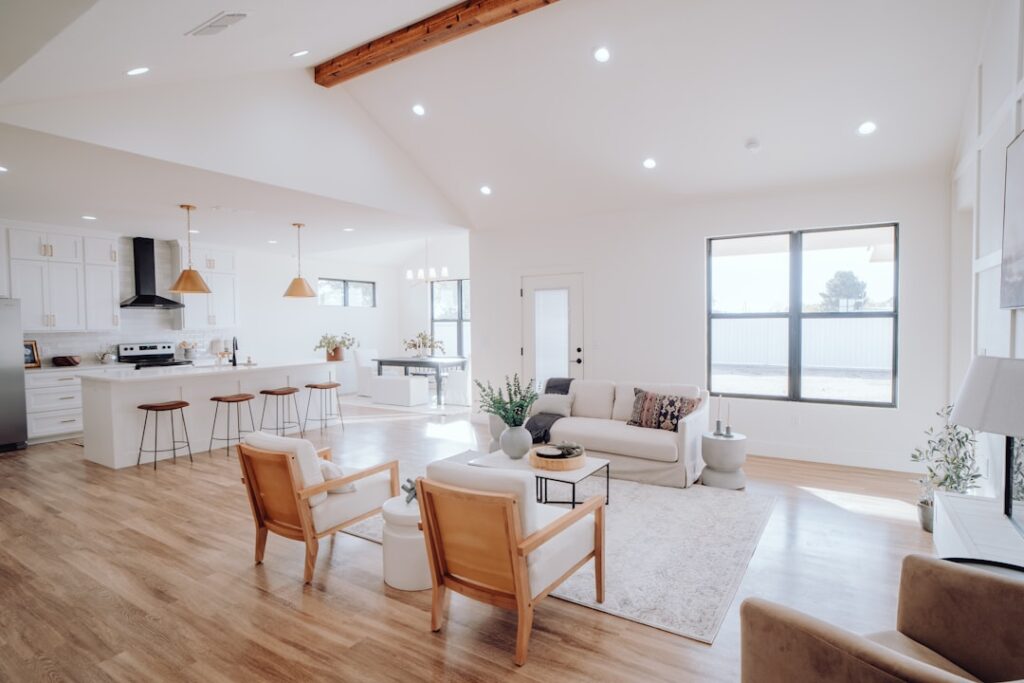
Names in the flooring world can describe a product, a style, or a company, so it pays to understand the term before you shop. Stonewood flooring generally points to floors that blend stone-like durability with wood-look appearance, most often rigid-core luxury vinyl built on a stone-polymer composite (SPC), or sometimes a flooring brand or retailer using the name. Because that naming varies, confirm exactly what a specific seller means and check the official source for current details. This guide explains what the term usually covers, the genuine pros and cons, and how to evaluate any product carrying it so you buy on facts rather than marketing.
What the Name Usually Describes
In practice, “stonewood” style products tend to be rigid-core vinyl planks that pair a tough stone-composite core with a printed wood-grain surface. The idea is to get the warm look of hardwood with the hardness, dent resistance, and waterproof performance that a stone-based core delivers. You will also occasionally see the name used for stone-look tile or for a flooring company. Identifying which one you are dealing with is the essential first step, because care and performance differ widely between vinyl, tile, and wood.
How SPC Rigid-Core Flooring Works
If the product is SPC, the construction is what gives it its appeal. A dense stone-plastic composite core sits beneath a printed design layer and a clear wear layer on top. That rigid core resists dents from dropped objects and heavy furniture, stays dimensionally stable through temperature swings, and is fully waterproof. The planks click together as a floating floor, so they install over most existing subfloors without glue or nails, and a damaged plank can be lifted and replaced.
The Pros
- Waterproof: A stone-based core does not swell with water, making it suitable for kitchens, baths, and basements.
- Dent and dimensional stability: The rigid core resists indentation and barely expands or contracts with temperature changes.
- Durable surface: A quality wear layer shrugs off scratches, scuffs, and daily traffic.
- Realistic looks: Modern printing and embossing convincingly mimic wood and stone.
- Easy installation: Click-lock floating planks are DIY-friendly and forgiving over minor subfloor imperfections.
The Cons
- Hard and cold underfoot: The rigid core feels firmer and cooler than softer flooring; an attached or added pad helps.
- Cannot be refinished: Like all vinyl, the surface cannot be sanded down; once the wear layer is gone, the floor is replaced.
- Quality varies widely: A thin wear layer undercuts durability no matter how good the core is.
- Resale perception: Some buyers still prefer genuine hardwood, though high-end vinyl has narrowed that gap.
What to Check Before You Buy
Judge any “stonewood” product on its specs, not its name.
- Confirm the exact material: SPC vinyl, another vinyl type, tile, or wood.
- Get the wear-layer thickness in mils; aim for 12 mil for homes and 20 mil for heavy traffic.
- Check the total plank thickness and whether an attached underlayment pad is included.
- Read the warranty carefully, distinguishing residential from commercial coverage.
- Order samples and flex them to confirm the core is genuinely rigid.
- Verify details against the official manufacturer or retailer page.
Installation Tips
Rigid-core floors are forgiving but not foolproof. The subfloor should still be reasonably flat, generally within 3/16 inch over 10 feet, since severe dips can stress the joints over time. Acclimate the planks in the room for the time the manufacturer specifies, leave the required perimeter expansion gap, and add an underlayment pad if the planks do not include one, both for comfort and sound. On concrete slabs, test for moisture even with a waterproof product, because trapped moisture can affect adhesives and transitions.
Where It Works Best
Because of its waterproof, dent-resistant nature, this style of flooring shines in busy and moisture-prone spaces: kitchens, bathrooms, laundry rooms, mudrooms, basements, and high-traffic living areas. Households with kids and pets appreciate the easy cleanup and scratch resistance. For bedrooms and quiet sitting rooms where underfoot warmth matters more, you might add a thicker pad or consider a softer flooring instead.
Budgeting
Pricing depends on quality and where you buy. Rigid-core vinyl typically runs about $3 to $7 per square foot for the material, with installation adding a few dollars more if you hire out. Premium lines with thicker wear layers and attached pads cost more but last longer and feel better underfoot. Always confirm current pricing and stock with the seller, and add 7 to 10 percent extra material for cuts and future repairs.
Caring for a Rigid-Core Floor
Maintenance is refreshingly simple, which is part of the appeal. Sweep or dry-dust often to keep abrasive grit off the wear layer, and damp-mop with a manufacturer-approved cleaner. Skip steam mops and harsh abrasives, which can harm the finish or work moisture into the seams over time. Felt pads under furniture legs prevent scuffs, and walk-off mats at entries catch the sand and water that cause the most wear. Avoid dragging heavy appliances across the surface; lift or use a dolly with a protective sheet. Treated this way, a quality stone-core floor holds its looks for many years.
How It Compares to Other Waterproof Floors
SPC rigid-core is one of several waterproof choices, and seeing the alternatives helps you decide. Compared with WPC vinyl, SPC is harder and more dent-resistant but feels firmer and cooler underfoot. Compared with porcelain tile, it is warmer, quieter, and far easier to install, though tile wins on ultimate hardness and heat tolerance. Compared with laminate, SPC is genuinely waterproof while most laminate is only water-resistant. If you want a wood look with maximum durability and waterproofing at a moderate price, a stone-core product is one of the strongest options on the market today.
The Bottom Line
Stonewood flooring is best understood as a category of stone-core, wood-look floors that combine durability and waterproof performance, though the exact meaning can depend on the brand or retailer. Pin down what a specific product actually is, scrutinize the wear layer and warranty, order samples, and confirm everything against the official source before you buy. Do that, and you can take advantage of one of the most practical flooring categories on the market without being swayed by the name alone.
Prefer to explore on your own?
See how new flooring looks in your actual room in seconds — free, no signup.
Try the free Floor Studio →