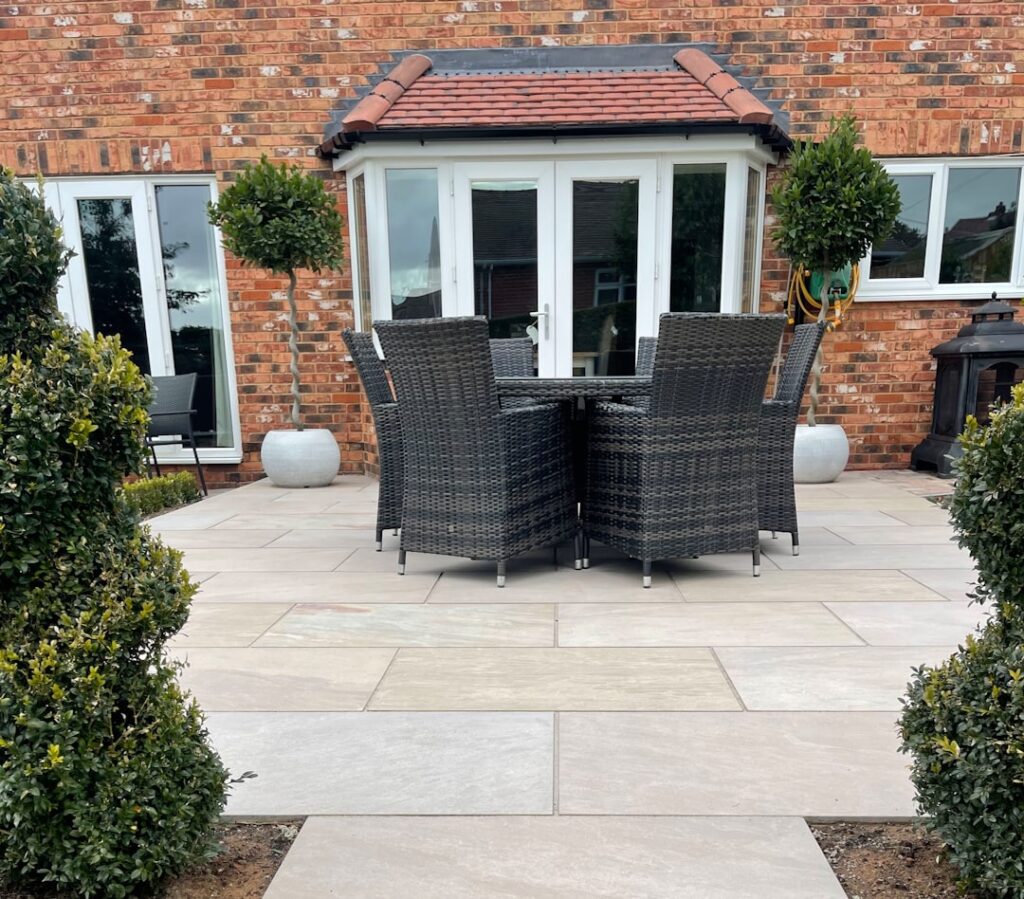
A tan outdoor rug is one of the easiest ways to make a patio, deck, or porch feel finished without committing to a bold color you might tire of. Tan sits in that flexible neutral zone between beige and light brown, so it pairs with almost any furniture, planter, or cushion you already own. If you want warmth underfoot and a layer that anchors your outdoor seating, this guide walks you through materials, sizes, durability, and care so you buy once and buy well.
Why Choose Tan for an Outdoor Space
Color matters more outdoors than people expect. Bright whites show every leaf and water stain, while very dark rugs absorb heat and can feel hot on bare feet in direct sun. Tan splits the difference. It hides dirt, pollen, and the occasional muddy paw print far better than a pale rug, yet it stays light enough to keep a space feeling open and airy.
Tan also reads as timeless. Outdoor furniture trends shift, but a warm neutral floor covering carries from one season to the next. You can swap throw pillows from coral to navy to olive, and a tan rug grounds all of them. For homeowners staging a house to sell, that neutrality is a quiet asset because buyers picture their own style on a clean backdrop.
Materials That Survive the Outdoors
The single most important spec is the fiber. Indoor rugs made from wool or cotton will mildew and rot outside, so look specifically for materials rated for outdoor use.
- Polypropylene (olefin): The most common and affordable outdoor fiber. It resists moisture, fading, and mildew, dries quickly, and rinses clean with a hose. Most tan outdoor rugs you will see are polypropylene.
- Polyester: Softer underfoot than polypropylene with good color retention, though slightly less fade-resistant in harsh, all-day sun.
- Recycled PET: Made from recycled plastic bottles, it offers a soft hand feel and solid weather resistance, and it appeals to eco-minded buyers.
- Natural-look options: Some rugs mimic jute or sisal using synthetic fibers, giving you the woven texture without the rot risk of true plant fibers.
Avoid genuine jute, sisal, or seagrass for any spot that gets rained on or stays damp. Those natural fibers belong on a fully covered porch at most, and even then humidity can shorten their life.
Choosing the Right Size
Sizing is where most people go wrong. A rug that is too small makes a patio look cluttered and the furniture float awkwardly. As a rule, the rug should be large enough that at least the front legs of every chair and sofa sit on it.
- 5 x 7 feet: Works for a small bistro set or a balcony with two chairs and a side table.
- 8 x 10 feet: A reliable choice for a standard patio conversation set with a sofa and two chairs.
- 9 x 12 feet or larger: Best for big decks, full dining sets, or sectional seating where you want all furniture legs on the rug.
- Runners (2.5 x 8 feet): Ideal for narrow porches, walkways, or alongside an outdoor kitchen.
Before you buy, tape out the dimensions on your patio with painters tape and arrange your furniture inside the lines. Five minutes of taping saves you from a return.
Durability and Weather Performance
Tan is forgiving, but the rug still has to stand up to UV exposure, rain, and foot traffic. Look for the phrase UV-stabilized or fade-resistant on the label, which signals the fibers are treated to hold color in direct sun. A flat weave or low pile sheds debris and dries faster than a thick shag, which can trap water and stay soggy for days.
Even a weatherproof rug lasts longer with a little care. If your space sees brutal afternoon sun, rotate the rug a couple of times a season so it fades evenly rather than developing one bleached stripe. During long stretches of rain or over winter, roll the rug up and store it somewhere dry to add years to its life.
Cleaning and Maintenance
One of the best things about a synthetic tan outdoor rug is how simply it cleans. For routine upkeep, shake it out or sweep off loose debris. For a deeper clean, follow these steps:
- Lay the rug on a flat surface like a driveway or deck.
- Rinse it with a garden hose to flush out embedded dirt.
- Mix a small amount of mild dish soap with water and scrub gently with a soft-bristle brush.
- Rinse thoroughly until the water runs clear, since leftover soap attracts dirt.
- Hang it over a railing or stand it on edge to drip-dry completely before laying it back down.
Always let a rug dry fully on both sides before returning it to position. A rug left damp against a deck can trap moisture underneath, which discolors wood and encourages mildew on the rug backing. Skip harsh bleach unless the manufacturer specifically approves it, because it can lighten the tan unevenly.
Styling a Tan Outdoor Rug
Because tan is neutral, you have freedom to layer in personality. Pair it with crisp white furniture and navy cushions for a coastal look, or with black metal furniture and terracotta planters for a warmer Mediterranean feel. Greenery pops against tan, so a few leafy plants or a row of herbs nearby will make the whole area feel lush.
If you worry tan reads too plain, choose a rug with subtle texture or a tonal pattern, such as a herringbone weave, a faint border, or a diamond trellis in a slightly deeper shade. The pattern adds interest while keeping the color palette calm.
Safety and Practical Tips
A flat outdoor rug can slide on smooth surfaces like concrete or composite decking, which is a trip hazard. Use a non-slip rug pad rated for outdoor use to keep it in place and to allow airflow and drainage underneath. The pad also protects the surface below from any color transfer when the rug gets wet.
Keep the rug clear of open flames from fire pits, grills, and patio heaters, and follow any care instructions printed on the label rather than guessing. With the right size, an outdoor-rated synthetic fiber, and simple seasonal cleaning, a tan outdoor rug delivers years of low-maintenance warmth and a polished foundation for the space where you actually want to spend your summer.