
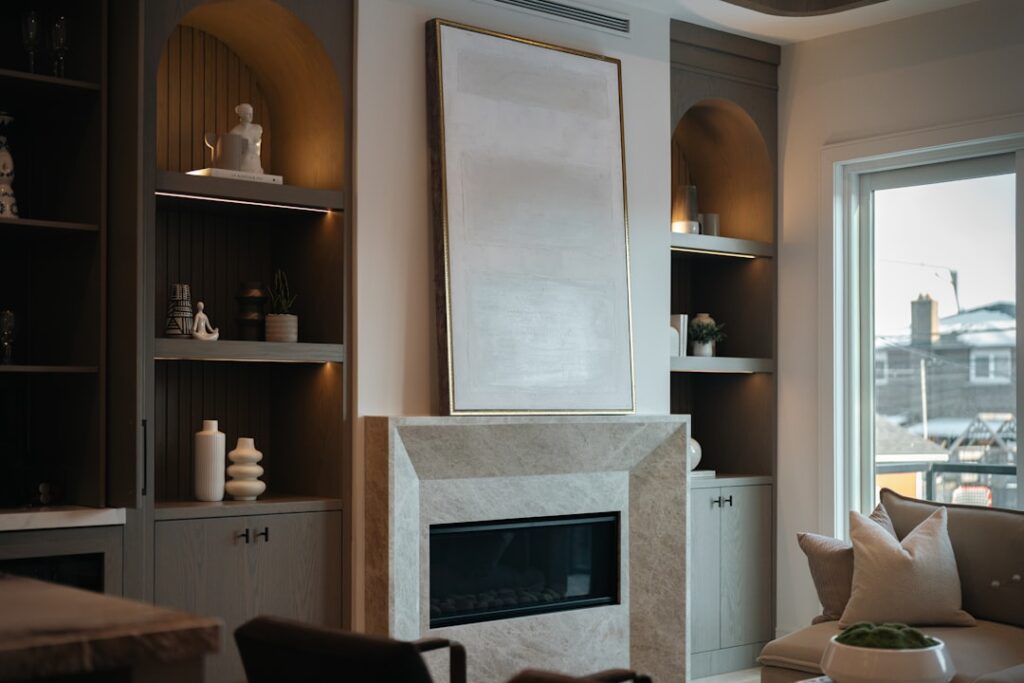
A flat panel of polyester behind a window solves a privacy problem but does almost nothing for the room. Textured curtains do double duty: they block light and add visible depth to a wall that may otherwise feel sterile. The texture catches sidelight, breaks up large planes of paint, and complements harder finishes like quartz countertops and tile. The trick is choosing fabric and weight that match the room rather than fight it.
What Counts as Textured
True textured curtains have a visible weave or surface character you can feel with your fingers. Linen, slub silk, boucle, basket weave, and chenille are the main families. Faux silk and polyester blends with a brushed finish mimic the look at lower cost but lack the same drape. Always rub a swatch between your fingers before buying. If it feels slick, it will look flat from across the room no matter what the photos show.
The weight matters as much as the weave. Curtain panels under 200 grams per square meter hang stiff and bunch awkwardly. Look for fabrics in the 250 to 400 GSM range for a draping rod-pocket or pinch-pleat installation. Heavier fabrics drape with that satisfying weight you see in well-designed rooms.
Best Fabrics for Each Room
Each material has a sweet spot. Pick based on light level, traffic, and how often the curtains get touched:
- Linen: Best for living rooms and bedrooms. Casual, breathable, and softens hard architectural lines.
- Boucle and chenille: Heavy and modern. Works in formal rooms with high ceilings.
- Velvet: Plush texture and excellent light blocking. Ideal for bedrooms and home theaters.
- Slub silk or faux silk: Subtle horizontal texture. Best in dining rooms and dressier spaces.
- Basket weave cotton: Easy to clean, kid and pet friendly. Good in family rooms and kitchens.
- Burlap or jute blend: Rustic and casual. Works in farmhouse and coastal aesthetics.
How Texture Affects Light and Privacy
Heavier textured fabrics block significantly more light than smooth weaves of the same color. Triple-weave linen panels reduce daytime light by about 60 percent and full-blackout linen with a poly liner blocks 99 percent. Smooth polyester at the same weight only manages around 50 percent light blockage because the flat surface scatters less.
For privacy, the weave density matters. Open weaves like sheer linen let outside silhouettes through after dark even when curtains are closed. If privacy is a real concern, layer a sheer textured panel against the window with a heavier opaque drapery on the outer rod. The double layer also adds visual depth that single-panel installs cannot match.
Hanging Height and Width Math
Most homeowners hang rods too narrow and too low. Mount the curtain rod 4 to 6 inches above the window trim, ideally within 4 inches of the ceiling for an 8-foot wall. Extend the rod 6 to 12 inches past each side of the window so the panels stack off the glass when open and the room reads taller and wider.
Total panel width should be 2 to 2.5 times the rod length for a properly full look. A 60-inch window deserves 120 to 150 inches of fabric width. Skimpy panels look like an afterthought no matter how nice the texture is. For a standard 96-inch panel length, the bottom hem should brush the floor or break by 1/2 inch. Floods and high waters give an unfinished look.
Color and Pattern Considerations
Texture itself is a pattern. Pairing a strongly textured fabric with a busy printed pattern creates visual chaos. Stick to solid colors or very subtle tonal stripes when texture is the feature. Off-white, oatmeal, sage, charcoal, and warm taupe all show texture beautifully under normal indoor lighting.
Avoid pure stark white if the rest of the room reads warm. Pure white textured panels can look gray and sad against cream walls. Always order a free swatch from retailers like West Elm, Restoration Hardware, or Two Pages Curtains and tape it to your wall for 48 hours before committing.
Hardware That Complements the Look
Heavy panels demand sturdy hardware. A flimsy 5/8-inch metal rod sags under the weight of full linen panels within months. Use a 1.25-inch or 1.5-inch diameter solid wood or steel rod with center support brackets on any run over 60 inches. Brass and matte black are the most popular finishes in 2026, with brushed nickel a safe middle option.
For mounting style, ring clips give the most natural drape and let you change panels easily. Pinch pleat headers offer the most tailored look for formal rooms. Rod pockets work for casual sheers but tend to look dated on heavier fabrics. Skip grommet tops on textured panels since the metal hardware fights the organic feel of the weave.
Care and Cleaning
Linen and cotton panels can usually be machine washed cold and tumbled dry low, then steamed back to shape on the rod. Always check the label since some pre-washed linens shrink another 3 to 5 percent on first home wash. Velvet, silk, and chenille typically require dry cleaning at $15 to $25 per panel, which adds up over years of ownership.
Vacuum drapery panels every 4 to 6 weeks with a brush attachment to lift dust before it settles into the weave. A handheld garment steamer works for quick refreshes between full cleanings. Keep direct south-facing sunlight off any natural fiber by adding a sheer liner, since UV exposure fades texture and color within 2 to 3 years.
Where to Buy
Quality textured panels run $30 to $200 per panel depending on fabric, length, and brand. Budget options worth considering include IKEA’s Vivan and Ritva lines and Amazon’s NICETOWN linen-blend collection. Mid-tier picks like West Elm’s Belgian flax linen and Pottery Barn’s Cameron cotton offer better drape and longevity. For high-end installations, Restoration Hardware Belgian linen and custom panels from Two Pages or The Shade Store deliver lifetime quality at $150 plus per panel.
Bottom Line
The right textured panels can carry an otherwise plain room. Pick fabric weight that drapes properly, hang the rod high and wide, choose hardware that supports the load, and keep the color palette restrained. Done right, the curtains become a quiet design feature rather than just a window covering.


