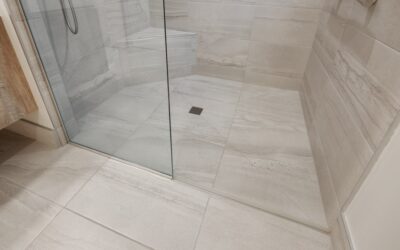
Whether you are ripping out dated 1990s floor tile or fixing a cracked shower, understanding tile replacement cost up front keeps a project from blowing past your budget. The honest answer is that costs swing widely, from a modest few hundred dollars for a small repair to well over ten thousand for a full kitchen and bath overhaul, because so much depends on the tile you choose, how much old material has to come out, and where you live. This guide breaks the numbers down piece by piece so you can build a realistic budget before you call a contractor.
The Average Cost Range
For a full tile replacement, most homeowners pay between $7 and $25 per square foot installed, with the national average landing around $10 to $15 per square foot for a standard job. That figure bundles removal of the old tile, materials, and installation labor. A small 40-square-foot bathroom floor might run $400 to $1,000, while a 200-square-foot kitchen floor could reach $2,000 to $5,000 or more depending on the tile grade and complexity.
Those are ballpark numbers. The rest of this guide explains what pushes a project to the low or high end of the range.
Removing the Old Tile
People forget that replacement starts with demolition, and tearing out old tile is labor-intensive. Removal typically adds $2 to $5 per square foot, and more if the tile was set in a thick mortar bed or if the substrate is damaged and needs repair. Old tile bonded to a concrete slab is especially stubborn and can push removal costs higher. If asbestos is present in very old flooring, abatement is a separate, regulated, and pricier job that must be handled by professionals.
Some homeowners save money by handling demolition themselves, but it is dusty, physical work, and you must haul away heavy debris, which can incur dump fees.
Material Costs by Tile Type
The tile you pick is the biggest variable you control. Here is what the common options cost for materials alone:
- Ceramic: $1.50 to $6 per square foot; the budget-friendly standard.
- Porcelain: $3 to $10 per square foot; denser and more durable than ceramic.
- Natural stone (marble, travertine, slate): $7 to $30 per square foot; luxurious but needs sealing.
- Glass and mosaic: $10 to $40 per square foot; usually for accents, not whole floors.
Do not forget the extras: thinset mortar, grout, backer board, sealer, and trim add roughly $1.50 to $3 per square foot on top of the tile itself.
Labor Costs
Installation labor is the largest single line item on most jobs, typically $5 to $14 per square foot. Where you land depends on complexity. A straight-set field of large-format tile on a flat floor is cheaper to install than intricate patterns like herringbone, chevron, or detailed mosaics, which require more cutting and layout time. Walls and showers cost more than floors because of waterproofing and the extra care of working vertically. Regional labor rates matter too; expect to pay more in major metro areas than in rural markets.
Cost by Room
Different rooms carry different price tags because of size and complexity:
- Bathroom floor (40-50 sq ft): roughly $500 to $1,500 installed.
- Shower surround (100-150 sq ft of wall): $1,500 to $4,000, more with niches and waterproofing.
- Kitchen floor (150-250 sq ft): $2,000 to $6,000.
- Kitchen backsplash (30-40 sq ft): $500 to $1,500.
Showers cost the most per square foot because of the waterproofing membrane, slope requirements, and the labor of small, detailed cuts.
Repairing a Few Tiles vs Full Replacement
If only a handful of tiles are cracked, a spot repair is far cheaper than a full replacement. A handyman or tile pro might charge $150 to $500 to remove and replace a few damaged tiles, assuming you have matching spares. This is exactly why I tell every client to keep a box of leftover tile after any install; a discontinued line can make a small repair impossible and force a full replacement you did not want.
Weigh the repair against the age of the floor. If the tile is dated or the grout is failing throughout, spending on a patch you will rip out in two years rarely makes sense. There is also the matter of matching: even within the same product line, tile shades vary slightly between batches, so a repair using new stock can leave a visible patch against older, sun-faded tile. This is one more reason to keep leftover tile from the original install, and to think carefully before repairing rather than replacing a floor that is already showing its age.
Ways to Save on Tile Replacement
There are legitimate ways to trim the bill without cutting corners on quality:
- Choose a mid-grade porcelain instead of natural stone for a similar look at a lower price and less maintenance.
- Handle demolition yourself if you are able-bodied, saving the removal labor.
- Stick to a simple straight-set layout to keep installation labor down.
- Tile over existing tile when the substrate is sound, avoiding removal costs entirely.
- Get at least three quotes, since installer pricing varies widely for the same scope.
Hiring a Pro vs Doing It Yourself
Labor is the biggest cost in most tile replacements, so doing the work yourself can cut the total nearly in half. A confident DIYer can handle a straightforward floor, and renting a wet saw for $50 to $75 a day plus buying setting materials keeps the out-of-pocket cost close to the price of the tile alone. For a small backsplash or a simple bathroom floor, that is a realistic weekend project that saves hundreds of dollars.
Where I push people toward a pro is showers and complex layouts. A shower demands proper waterproofing, a correctly sloped floor, and precise cuts; a mistake there leads to leaks, mold, and a far more expensive repair down the road. Large-format tile that needs a dead-flat substrate and intricate patterns like herringbone also reward professional experience. Be honest about your skill level, because a botched DIY job that has to be torn out and redone costs more than hiring it done right the first time.
Whichever route you choose, always get the substrate inspected. Replacing tile over a soft, water-damaged, or uneven subfloor guarantees the new tile will crack, no matter how good the tile or the installer.
The Bottom Line
Plan on $7 to $25 per square foot for a full tile replacement, with $10 to $15 being typical once removal, materials, and labor are combined. Your biggest levers are the tile you choose, the layout complexity, and whether the old substrate needs work. Keep spare tiles for future repairs, gather multiple quotes, and consider a simpler layout or a tile-over approach to save. Budget honestly for the hidden costs of removal and setting materials, and your tile replacement project will finish on time and on budget.
Prefer to explore on your own?
See how new flooring looks in your actual room in seconds — free, no signup.
Try the free Floor Studio →