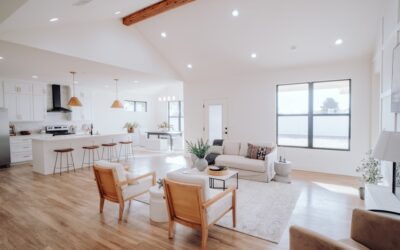
Choosing a timber floor in Melbourne’s southeast means accounting for a climate that swings from dry summer heat to damp, cool winters, and that has a real effect on how your boards move. Timber flooring Bentleigh buyers do best when they understand the local conditions, the species that suit them, and how to vet a supplier before committing. This guide covers the pros and cons of timber, what to look for in the Bentleigh area, realistic costs, and the questions that protect your investment.
Why Local Climate Matters in Bentleigh
Timber is a natural, hygroscopic material, meaning it absorbs and releases moisture as humidity changes. In Bentleigh and the wider Melbourne area, indoor humidity can swing noticeably between a hot, dry summer and a wet winter, which causes boards to expand and contract across the seasons.
That movement is normal, but it has to be planned for. Quality installers acclimatise the timber on site for a week or more so the boards reach equilibrium with your home before they’re laid. They also leave appropriate expansion gaps at the perimeter. Skipping these steps in Melbourne’s variable climate is a common cause of cupping, gapping, or squeaking down the track.
Timber Options Suited to the Area
Australian and imported species both work well locally, and the right choice depends on traffic, budget, and look.
- Solid hardwood: Native species like Spotted Gum, Blackbutt, and Brushbox are hard-wearing and can be sanded back many times. Expect roughly AUD $80 to $150 per square metre supplied and installed.
- Engineered timber: A real timber veneer over a stable plywood core, less prone to seasonal movement, which suits Melbourne’s climate swings well. Around AUD $80 to $140 per square metre.
- Hybrid and laminate alternatives: Not true timber, but timber-look options that resist moisture for wet areas, often AUD $40 to $90 per square metre.
Engineered timber is increasingly popular in the area precisely because its layered construction handles humidity changes with less movement than solid boards.
The Pros of Timber Flooring
Timber adds genuine warmth, character, and value to a home, and in a sought-after suburb like Bentleigh that resale appeal counts. Real wood develops a depth and patina that timber-look products can’t fully match, and solid boards can be sanded and recoated multiple times, giving them a lifespan measured in decades.
Timber is also easy to keep clean, doesn’t trap dust and allergens the way carpet can, and offers endless choices in species, board width, and finish. From a pale European Oak to a rich native hardwood, you can tailor the look to suit a heritage cottage or a modern renovation.
The Cons to Weigh
Timber demands respect. It scratches and dents, particularly softer species, so homes with large dogs or heavy foot traffic need a harder species and a durable finish. It also moves with humidity, and in Melbourne’s variable climate, poor acclimatisation or installation leads to gaps in summer or cupping in winter.
Cost is the other consideration. Quality solid timber, supplied and installed, sits at the premium end of flooring. Wet areas like bathrooms and laundries aren’t ideal for solid timber at all, since standing water damages it, which is where hybrid or tile makes more sense. Site-finished floors also need a few days of curing where the room is off-limits.
How to Vet a Supplier or Installer
The quality of your floor depends as much on the installer as the timber. Use a clear checklist when comparing local suppliers.
- Check credentials and reviews: Look for established businesses with verifiable reviews and examples of completed jobs in the area.
- Ask about acclimatisation: A good installer will leave the timber on site to adjust before laying it, never rushing straight to installation.
- Confirm the quote is itemised: Materials, subfloor prep, installation, sanding, finishing, and removal of old flooring should all be listed.
- Verify the warranty: Separate the manufacturer’s product warranty from the installer’s workmanship warranty, and get both in writing.
- Request references and samples: Test board samples in your own home under local light before committing.
Questions to Ask Before You Buy
Walk into any showroom or quote with specifics in mind. Ask which species suits your traffic and pets, whether solid or engineered is the better fit for your subfloor and climate, and what finish they recommend for durability. Confirm the lead time, the expected number of days the room will be unusable, and exactly what site preparation is included.
Always verify current pricing, availability, and warranty terms directly with the supplier, since these change regularly and vary between businesses. Treat any general figure here as a guide, not a quote, and get your final numbers locally in writing.
Caring for a Timber Floor in Melbourne
Once your floor is down, a little routine care keeps it looking its best through Melbourne’s seasons. Sweep or vacuum regularly to lift grit before it scratches the finish, and clean with a barely damp mop and a timber-specific cleaner rather than a soaking-wet mop, since excess water is timber’s enemy. Wipe up spills promptly so liquid never sits on the boards or seeps into the joints.
Managing humidity helps the floor stay flat year-round. Aim to keep indoor humidity reasonably stable, using heating in damp winters and avoiding extremes, which reduces the seasonal expansion and contraction that causes gapping or cupping. Place protective pads under furniture legs, lay mats at entry points to trap grit and moisture, and use rugs in high-traffic areas. With a hard-wearing finish and these simple habits, a quality timber floor in a Bentleigh home can look superb for decades and be recoated rather than replaced when it eventually dulls.
The Bottom Line for Bentleigh Buyers
A well-chosen, properly installed timber floor brings lasting warmth and value to a Bentleigh home, provided you plan for Melbourne’s seasonal humidity. Favour a hard-wearing species or engineered construction for stability, insist on proper acclimatisation and expansion gaps, and vet your installer as carefully as the timber itself. Gather a few itemised quotes, test samples at home, and confirm all pricing and warranty details with the supplier directly. Do that, and your floor will look its best through every Melbourne season.
Prefer to explore on your own?
See how new flooring looks in your actual room in seconds — free, no signup.
Try the free Floor Studio →