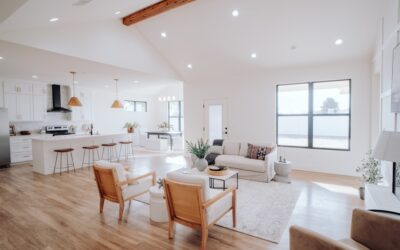
Walk through any home built in the 1950s and you will see the difference between trendy flooring and timeless flooring instantly. The pink linoleum is gone. The avocado-green carpet from 1972 is gone. The high-gloss cherry hardwood from 2003 is gone. What remains is white oak, slate, marble, and classic-pattern tile — materials that have been quietly working in homes for 100+ years and still look right today. Timeless flooring is the choice that ages with your home rather than against it, holds resale value, and rarely needs replacing for stylistic reasons alone.
This guide covers what makes a floor timeless rather than trendy, the specific materials and patterns that have stood the test, and what to avoid if you want a renovation that still looks current in 2050.
What Makes Flooring Timeless
Three traits separate floors that age well from those that date themselves within a decade:
- Natural materials over synthetic: real wood, stone, and ceramic age gracefully. Synthetics develop telltale wear that betrays their generation.
- Neutral, mid-tone colors: white oak, gray slate, cream limestone. Skip the saturated stains (red mahogany), heavy reclaimed barn wood looks, and ultra-dark espressos that scream a specific year.
- Classic proportions and patterns: traditional plank widths (4 to 6 inches), running bond tile, simple borders. Avoid super-wide planks (12 inches+) and large-format tiles that may read as a 2020s aesthetic 20 years from now.
The flooring that looks current in any decade is generally the flooring that already looked good in the 1920s.
Hardwood Choices That Age Well
For hardwood, three species have proven timeless across multiple design eras:
- White oak: the all-time winner. Tight grain, accepts almost any stain, no pink undertones. Used in pre-war Chicago apartments, mid-century ranches, and modern minimalist homes alike.
- American walnut: rich brown, no orange. The premium choice for formal homes since the 1920s.
- Hard maple: light, smooth, slightly understated. Common in farmhouse and Scandinavian-modern aesthetics, never fashion-driven.
Hardwoods to skip if longevity matters: red oak in golden stain (telegraphs “1990s”), heavy distressed hand-scraped (peaks in 2010s), and high-gloss exotic species like Brazilian cherry that darken with UV exposure into a dated red-brown.
Stone and Tile Patterns That Last
For tile and stone, certain visual choices have remained popular across 100+ years:
- Hexagonal mosaic in 1 inch or 2 inch sizes: used in 1910s bathrooms, 1950s bathrooms, and 2020s bathrooms with no visual difference.
- Subway tile (3 by 6 white ceramic): originally NYC subways 1904, still selling 120 years later.
- Penny round mosaic: classic bathroom floor look from the 1930s onward.
- Carrara marble in honed finish: in luxury homes since Roman times, never goes out of style.
- Slate tile: rustic and dimensional, used in entries since the 1900s.
Patterns to skip: glossy 13 by 13 ceramic in tan tones (peaks 1990s-2000s), Tuscan stone-look in random sizes (peaks 2000s), and large-format polished porcelain in marble-look that may date itself by 2035.
Classic Layouts and Installation Patterns
How tile and wood are laid affects timelessness as much as the material itself:
- Running bond (1/3 offset for planks, 50% offset for tiles): universally classic.
- Herringbone: dates to ancient Rome, popular in every era since.
- Chevron: French parquet de Versailles, classical and modern at once.
- Straight stack (grid): mid-century modern and contemporary.
- Basketweave for tile: 1920s-style charm.
Patterns that may date themselves: heavy decorative borders, mixed-size random patterns, and ultra-trendy installations like 5+ different tile shapes in one space.
Color Palette That Holds Up
Stick with colors that occur in nature:
- Warm whites and cream: always read fresh and clean.
- Mid-tone gray and warm gray (greige): the safest neutral.
- Natural wood tones (no orange, no red, no green undertones): read warm and traditional.
- Soft black charcoal: dramatic but not trendy.
Colors to skip: heavily saturated stains (deep cherry, ebony black), gray-washed weathered looks (pure 2010s aesthetic), and any “color-of-the-year” trend.
Real Cost of Timeless Flooring
Quality timeless flooring almost always costs more than fashion-driven alternatives, but it lasts longer and holds resale value better. Realistic 2026 pricing:
- Solid white oak (Select grade, 4 inch plank): $7 to $12 per sq ft material
- Engineered white oak (4mm sawn face): $9 to $15 per sq ft material
- American walnut (3-1/2 inch plank): $11 to $20 per sq ft material
- Honed Carrara marble (12 by 24): $8 to $20 per sq ft material
- Slate tile (16 by 16): $5 to $10 per sq ft material
- Hexagonal porcelain mosaic: $8 to $18 per sq ft material
- Subway tile (ceramic): $2 to $6 per sq ft material
- Professional installation adds $4 to $12 per sq ft
For a 1,000 sq ft main floor in white oak engineered, expect $13,000 to $22,000 installed. The same project in solid white oak runs $14,000 to $25,000.
Where to Apply Timeless Choices
Timeless flooring earns its premium most in spaces that buyers value at resale:
- Main living areas and primary suite (highest visual weight in any home tour)
- Entryways and foyers (first impression on every guest)
- Primary bath floors (luxury detail buyers notice)
- Kitchens (high-value renovation, durability matters)
For secondary bathrooms, basements, and laundry rooms, fashion-flexible LVP delivers acceptable results at lower cost. The main spaces deserve the upgrade.
What to Avoid
Three flooring types that frequently dominate trend cycles but date themselves quickly:
- Heavy character hand-scraped wood: peaked 2008-2014. Distinctive distressing reads as a specific era.
- High-contrast white-and-gray “wood” LVP with very wide planks: peaks late 2010s through early 2020s.
- Wood-look porcelain tile in 6 by 36 inch planks: peaks 2015-2022, may read dated by 2030.
If you choose any of these, do so for utility (waterproof, scratch-resistant, budget-friendly) rather than long-term style commitment.
Maintenance That Preserves the Investment
Timeless flooring rewards basic care:
- Hardwood: dry mop daily, microfiber pad with Bona cleaner weekly. Refinish every 12 to 20 years.
- Stone: pH-neutral cleaner, never vinegar or citrus. Reseal every 12 to 24 months.
- Tile: damp mop, grout sealer reapplied annually.
Done right, a timeless floor outlasts paint colors, cabinet styles, and every fashion-driven material in the home. The premium you pay at install translates into 30 to 50 years of service and the kind of patina that makes old homes worth more, not less.
Prefer to explore on your own?
See how new flooring looks in your actual room in seconds — free, no signup.
Try the free Floor Studio →