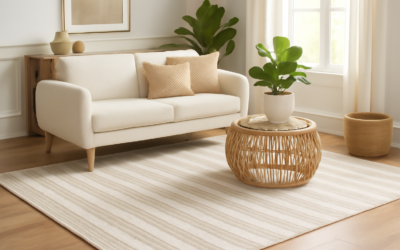
The family room is where everyone gathers — and where toys somehow multiply until you cannot see the floor. Smart toy storage family room solutions let kids play in the heart of the home without turning the space into a permanent obstacle course. The goal is not to banish the toys but to organize them so cleanup takes minutes, the room still looks like an adult lives there, and kids can actually reach and return their own things. This guide covers the storage types, layouts, and habits that keep a shared family room functional and calm.
Start With a Toy Audit
Before buying a single bin, take stock of what you actually have. Pull every toy into the open and sort into keep, donate, and toss piles. Broken pieces, fast-food trinkets, and toys your kids have outgrown create most of the visual chaos and deserve to go.
Once you know the real volume, you can size your storage correctly instead of overbuying. Group what remains by type — building blocks, dolls, vehicles, art supplies, board games — because category-based zones are far easier for kids to maintain than one giant catch-all bin.
Furniture That Hides Toys in Plain Sight
The best family room storage doubles as furniture you would own anyway. Storage ottomans hold a surprising volume of soft toys and double as seating or a footrest. A lift-top coffee table swallows board games and puzzles while staying within a child’s reach during play.
- Storage ottomans: 18 to 24 inches square, perfect for stuffed animals and blocks
- Lift-top or trunk coffee tables: hide bulky games and remotes
- Storage benches: line them under a window for seating plus toy bins
- Media consoles with deep drawers: repurpose for toys near the play zone
Furniture-based storage keeps toys accessible during the day and invisible the moment the lid closes.
Bins, Baskets, and Cube Shelving
Open cube shelving — think a 4-by-4 grid of cubbies — is the workhorse of family room toy storage. Fill the cubes with soft fabric bins or woven baskets so the contents stay hidden and the shelf still looks tidy. Choose bins in a neutral color that matches your decor rather than primary-colored plastic.
Mount the shelving low so kids can reach the bottom rows themselves, and reserve the top shelf for less-used items or display pieces. Picture labels — a photo of blocks taped to the block bin — let pre-readers put things back in the right place, which is what makes cleanup stick.
Built-Ins and Wall-Mounted Storage
If clutter is a constant battle and you own the home, consider built-in cabinetry along one wall. Closed-door lower cabinets hide the bulk of the toys, while open upper shelves hold books and decor. A bank of built-ins makes the family room read as a grown-up space even when a toddler lives there.
Wall-mounted options save floor space in smaller rooms. Floating shelves keep displayed toys off the ground, and a row of low hooks holds dress-up costumes, bags, and play purses. Pegboards mounted at kid height organize art supplies and small collections with adjustable hooks and trays.
The Rotation System That Cuts Clutter in Half
One of the most effective tricks costs nothing: store half the toys out of sight and rotate them every few weeks. Kids treat the returning toys as new again, play with them more deeply, and the room holds far less at any given time. Keep the off-duty toys in labeled bins in a closet, garage, or under-stair space.
Rotation also reveals which toys never get played with — those are your next donation pile. Aim to keep one or two bins of each category in active rotation and box the rest.
Keeping the Room Adult-Friendly
A family room should still feel like a place adults want to relax. Stick to a cohesive color palette for bins and baskets so the storage blends in rather than shouting. Position toy zones in one corner or along a single wall rather than scattering them, which keeps the rest of the room calm.
Use closed storage for anything visually busy and reserve open shelves for tidier items like books and a few favorite toys. At the end of the day, a quick five-minute reset — everything back in its labeled bin — restores the adult feel without a major effort.
Making Cleanup a Kid-Friendly Habit
Storage only works if kids can use it. Keep frequently used toys in open, lidless bins at floor level so returning them takes one motion. Reserve lids and higher shelves for items adults manage. The lower the friction, the more likely a four-year-old actually participates.
Build a simple routine — a cleanup song, a five-minute timer, a “pick up ten things” game — so tidying becomes part of the day rather than a fight. When the system matches what your kids can physically do, the family room stays livable for everyone.
Budget-Friendly Storage Ideas
You do not need custom built-ins to tame the toys. Inexpensive fabric bins in a bookshelf you already own create instant hidden storage. Repurpose a dresser as a toy chest, dedicating each drawer to a category. Even a row of stackable lidded totes from a hardware store, labeled with photos, organizes a playroom for under $50.
Look for double-duty bargains: an ottoman with a removable lid, a coffee table with a lower shelf for baskets, or a bench by the entry that hides shoes and outdoor toys. Thrift stores and marketplace listings are full of solid wood pieces that work beautifully once paired with a few coordinating bins. The trick is less about spending and more about giving every toy a designated, labeled home.
Putting It All Together
The winning formula is a mix: furniture with hidden storage for the big clutter, cube shelving with labeled bins for daily toys, a rotation system to halve the volume, and a kid-height layout that makes returning toys effortless. Match the bins to your decor, keep the toys in one zone, and reset the room nightly. Do that and your family room can serve playtime and grown-up time without choosing between them.