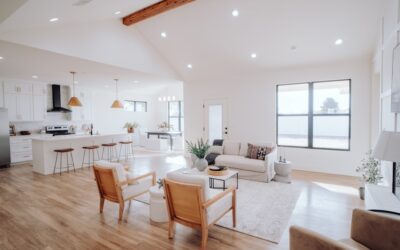
The kitchen floor sets the tone for the most-used room in your home. In 2026, kitchen flooring trends are shifting toward warmer tones, larger formats, natural textures, and materials that balance beauty with bulletproof practicality. Whether you are planning a full kitchen renovation or simply updating the floor, these trends will help you make a choice that feels current today and holds up for years to come.
This guide covers every major kitchen flooring trend for 2026 — from materials and colors to patterns, formats, and finishes — with specific product recommendations and design inspiration.
- 2026 Kitchen Flooring Trend Overview
- Trend 1: Warm Tones Replace Cool Grey
- Trend 2: Large Format Tile
- Trend 3: Wood-Look Flooring Dominates
- Trend 4: Matte and Low-Sheen Finishes
- Trend 5: Bold Patterns and Encaustic Tile
- Trend 6: Wide and Extra-Wide Planks
- Trend 7: Natural and Organic Materials
- Trend 8: Dark and Moody Kitchen Floors
- Trend 9: Waterproof Everything
- Trend 10: Sustainable and Eco-Friendly Options
- Best Kitchen Flooring Materials in 2026
- Trending Kitchen Floor Colors for 2026
- Trends to Avoid
- Frequently Asked Questions
While you’re upgrading the kitchen floor, it might be a good time to rethink the seating too. Swapping out old bar stools is one of those small changes that makes the whole room feel more pulled together.
We may earn a commission when you purchase through our links.
2026 Kitchen Flooring Trend Overview
The overarching theme for 2026 kitchen floors is warm, natural, and low-maintenance. The cool-grey, high-gloss, ultra-modern kitchen of the late 2010s has given way to warmer, more textured, and more organic-feeling spaces. Homeowners want kitchens that feel inviting and lived-in — not sterile and showroom-like.
Key shifts defining 2026 trends kitchen flooring ideas:
- Warm neutrals (oak, honey, wheat, warm grey) replacing cool grey
- Matte and satin finishes replacing high gloss
- Larger tile and plank formats for cleaner, more spacious looks
- Natural materials and textures over synthetic smoothness
- Bold pattern tile as statement floors in smaller kitchens
- Waterproof performance as a baseline expectation, not a premium feature
Trend 1: Warm Tones Replace Cool Grey
The biggest color shift in 2026 kitchens is the move from cool grey to warm neutral tones. Natural oak, honey, caramel, wheat, and warm beige are the dominant floor colors. Even grey remains popular, but the trend is toward “greige” — grey with warm beige or taupe undertones — rather than stark cool grey.
Why Warm Tones Are Winning
- Warm floors create a more inviting, comfortable kitchen atmosphere
- They coordinate better with natural wood cabinets, open shelving, and warm metals (brass, gold) that dominate current kitchen design
- Warm tones pair well with both white and colored cabinets
- The “warm minimalism” and Japandi design movements favor earthy, organic neutrals
Top Warm-Tone Kitchen Floor Options
- Natural white oak hardwood or engineered wood
- Honey oak or natural oak LVP
- Warm beige travertine-look porcelain tile
- Caramel or wheat-toned laminate
Trend 2: Large Format Tile
Large format tile — 24″ x 24″, 24″ x 48″, and even 48″ x 48″ — is transforming kitchen floors in 2026. Fewer grout lines mean a cleaner, more seamless look that makes kitchens feel larger and more contemporary.
Popular Large Format Styles
- Concrete-look porcelain: Matte grey or warm beige tiles with the raw texture of concrete. The most popular large-format choice for modern kitchens.
- Marble-look porcelain: White or cream porcelain with dramatic veining that mimics Carrara or Calacatta marble. Luxury look without marble’s maintenance demands.
- Stone-look porcelain: Warm-toned tiles replicating limestone, travertine, or sandstone. Natural and organic appearance.
- Terrazzo-look porcelain: Large tiles with embedded-look aggregate chips for a retro-modern vibe.
Installation Tips for Large Format
Large format tile requires an exceptionally flat subfloor — lippage (height differences between tiles) is more noticeable with larger tiles. Use a leveling system, matching-color grout, and an experienced tile setter for the best results. Rectified tiles with precise edges allow narrower grout lines for a more seamless appearance.
Trend 3: Wood-Look Flooring Dominates
Wood-look flooring continues to be the most popular kitchen floor style in 2026. The desire for warm, natural wood in kitchens — combined with the practical need for waterproof performance — drives massive demand for wood-look LVP, wood-look porcelain tile, and waterproof laminate.
Wood-Look LVP
Luxury vinyl plank with embossed-in-register (EIR) wood grain textures dominates kitchen flooring sales. Modern LVP is virtually indistinguishable from real wood at standing height. Waterproof construction handles kitchen spills and splashes without worry. It is the most popular kitchen flooring choice in 2026 by a wide margin.
Wood-Look Porcelain Tile
For homeowners who want the look of wood with the permanence of tile, wood-look porcelain planks (6″ x 36″ or 8″ x 48″) deliver both. Porcelain resists scratches, stains, and moisture better than any other material. The trade-off is harder feel underfoot and higher installation cost.
Real Wood in Kitchens
Engineered hardwood in kitchens has gained acceptance as modern finishes (aluminum oxide topcoats, water-resistant treatments) have improved wood’s ability to handle moisture. Real wood in the kitchen is still a higher-maintenance choice, but many homeowners accept the trade-off for the authentic warmth and character of genuine hardwood flooring.
Trend 4: Matte and Low-Sheen Finishes
The high-gloss kitchen floor is officially out. In 2026, matte and low-sheen (satin) finishes dominate across all materials:
- Matte tile: Matte-finish porcelain is now far more popular than polished in kitchen applications. It shows fewer footprints, hides micro-scratches, and provides better slip resistance.
- Matte vinyl: EIR vinyl with matte or satin finishes looks more like real wood than glossy alternatives. Most premium LVP products now default to matte.
- Matte hardwood: Wire-brushed, oiled, or matte-lacquered hardwood finishes are standard. High-gloss hardwood finishes have virtually disappeared from new product lines.
- Matte laminate: Same trend — matte and satin finishes look more natural and hide wear better than gloss.
Why Matte Wins in Kitchens
Kitchens are high-traffic, high-mess zones. Matte floors hide water spots, footprints, crumbs, and light scratches that glossy floors reveal under any light. Matte finishes also photograph better — important in the era of social media kitchen photos and real estate listings.
Trend 5: Bold Patterns and Encaustic Tile
Patterned tile is the statement trend of 2026 kitchen floors. Encaustic cement tile, geometric porcelain, and hand-painted ceramic are being used to create dramatic kitchen floors that serve as the focal point of the room.
Popular Kitchen Tile Patterns
- Encaustic cement tile: Colorful, geometric patterns inspired by Mediterranean and Moroccan design. Each tile is handmade with embedded pigment. Stunning but requires sealing and maintenance.
- Geometric porcelain: Factory-made porcelain tiles that replicate encaustic patterns at a fraction of the cost and maintenance. The practical choice for most homeowners.
- Hexagon tile: Both solid-color and patterned hexagon tiles create eye-catching kitchen floors. Mini hex (1″–2″) for a vintage look, large hex (8″–10″) for a modern statement.
- Herringbone and chevron: Wood-look LVP or tile installed in herringbone or chevron patterns adds movement and visual interest to the kitchen floor.
- Checkerboard: The classic black-and-white checkerboard has returned, often in updated color combinations (warm grey and cream, navy and white, or terracotta and cream).
Using Pattern Tile Effectively
Bold patterned tile works best as a kitchen floor when the rest of the kitchen is simple. Solid-color cabinets, minimal hardware, and understated countertops let the floor be the star. Pairing bold cabinets with bold floor tile creates visual overload.
Trend 6: Wide and Extra-Wide Planks
The trend toward wider plank flooring continues in 2026. Standard 5″–6″ planks are giving way to 7″–9″ wide formats in both LVP and hardwood. Some manufacturers now offer 10″+ extra-wide planks for a dramatic, open look.
Why Wide Planks Work in Kitchens
- Fewer seams mean a cleaner, more seamless appearance
- Wide planks make kitchens feel larger and more open
- The proportions match modern kitchen design (large islands, wide open-plan layouts)
- Wide planks showcase the wood grain pattern better than narrow ones
Wide Plank Considerations
Wider planks require flatter subfloors — any unevenness is more visible. For real hardwood, wider planks are more prone to cupping and warping with humidity changes. High-quality engineered wood or rigid-core LVP handles width better than solid hardwood.
Trend 7: Natural and Organic Materials
The broader design trend toward natural, organic interiors is influencing kitchen flooring choices in 2026:
- Natural stone: Limestone, travertine, and slate in kitchen floors create an authentic, grounded aesthetic that manufactured materials cannot fully replicate.
- Reclaimed wood: Reclaimed or heritage wood floors in kitchens add character, history, and sustainability credentials.
- Cork: Cork flooring is making a comeback for eco-conscious homeowners. It is warm, soft underfoot, naturally antimicrobial, and sustainably harvested.
- Terracotta: Genuine terracotta tile — warm, rustic, and imperfect — is trending in farmhouse, Mediterranean, and bohemian kitchens.
Trend 8: Dark and Moody Kitchen Floors
While warm neutrals dominate the mainstream, a counter-trend toward dark, dramatic kitchen floors is growing. Deep charcoal, espresso, near-black stains, and dark slate create moody, sophisticated kitchens when paired with lighter cabinets and walls.
Best Dark Floor Options for Kitchens
- Charcoal or black matte porcelain tile
- Espresso or dark walnut LVP
- Dark-stained engineered hardwood
- Black slate (natural or porcelain look-alike)
Dark Floor Realities
Dark floors show every crumb, dust particle, water spot, and pet hair. They require more frequent cleaning to look their best. In a kitchen — the messiest room in the house — this is a significant commitment. Dark floors work best in households without pets or young children, or for homeowners who do not mind frequent sweeping.
Trend 9: Waterproof Everything
In 2026, waterproof performance is no longer a premium feature — it is the baseline expectation for kitchen flooring. Every major material category now offers waterproof or highly water-resistant options:
- LVP and SPC: Inherently waterproof with sealed click-lock edges
- Waterproof laminate: Brands like Pergo (WetProtect) and Mohawk (Hydroseal) offer laminate with waterproof surface and edge technology
- Porcelain tile: Naturally waterproof with near-zero water absorption
- Engineered hardwood with water-resistant finish: Shaw Repel and similar products can handle kitchen conditions better than traditional hardwood
Why This Matters
Kitchens experience daily water exposure from cooking, dishwashing, ice maker leaks, and spills. A floor that cannot handle water is a liability in this environment. The shift toward universal waterproof performance means homeowners can now choose kitchen flooring based on aesthetics and comfort without worrying about water damage.
Trend 10: Sustainable and Eco-Friendly Options
Environmental awareness is increasingly influencing kitchen flooring decisions in 2026:
- FSC-certified hardwood: Sustainably harvested wood from certified forests
- Recycled-content tile: Porcelain made with recycled materials
- Cork: Harvested from bark without killing the tree — one of the most sustainable flooring materials
- Bamboo: A rapidly renewable grass that produces hardwood-like flooring
- Low-VOC products: FloorScore and GREENGUARD GOLD certified products with minimal off-gassing
- Reclaimed materials: Reclaimed wood, vintage tile, and repurposed stone reduce waste and add unique character
Best Kitchen Flooring Materials in 2026
| Material | Trend Rating | Waterproof | Cost/Sq Ft | Best For |
|---|---|---|---|---|
| LVP (wood-look) | Very high | Yes | $2.50 – $6.00 | Most kitchens, best value |
| Large-format porcelain | Very high | Yes | $3.00 – $10.00 | Modern, high-end kitchens |
| Engineered hardwood | High | Water-resistant | $5.00 – $12.00 | Open-plan, design-focused |
| Pattern/encaustic tile | High | Yes | $4.00 – $15.00 | Statement, small kitchens |
| Waterproof laminate | Moderate | Yes | $2.00 – $4.00 | Budget-friendly |
| Natural stone | Moderate | Varies | $6.00 – $25.00 | Luxury, natural aesthetic |
Trending Kitchen Floor Colors for 2026
- Natural oak / honey: The number-one trending kitchen floor color. Warm, bright, and universally flattering.
- Warm greige: Grey with warm undertones. The updated version of the grey trend.
- White/cream marble-look: Bright, luxurious, and timeless in large-format tile.
- Sand / warm beige: Earthy and calming. Pairs beautifully with white and wood cabinets.
- Charcoal / dark grey: Bold and dramatic for homeowners who love contrast.
- Terracotta / clay: Warm and rustic. A major trend for Mediterranean and farmhouse kitchens.
- White oak (natural): Light, warm, and Scandinavian-inspired.
Trends to Avoid
- Ultra-dark high-gloss floors: Beautiful in photos, exhausting to maintain in a kitchen
- Heavily orange-toned wood: Reads as outdated 2005 cherry. Choose warmer tones without strong orange or red.
- Narrow-width planks: Dated compared to the wide-plank trend. Opt for 7″+ widths.
- Stark cool grey: The cool grey trend peaked in 2018–2020. Move toward warm grey or greige if you prefer grey tones.
- Overly trendy patterns: Very specific, faddish patterns may date quickly. Classic geometric and herringbone patterns have more staying power than one-season trends.
Frequently Asked Questions
What is the most popular kitchen flooring in 2026?
Wood-look luxury vinyl plank (LVP) in warm natural oak tones is the most popular kitchen flooring in 2026 by sales volume. Large-format porcelain tile is the most popular choice in higher-end kitchen renovations.
Is hardwood flooring OK for kitchens in 2026?
Yes. Modern engineered hardwood with water-resistant finishes (Shaw Repel, Mohawk UltraWood) handles normal kitchen conditions. Real wood in the kitchen is a growing trend as finishes have improved. Wipe up spills promptly and use mats at the sink and dishwasher.
What kitchen floor color is timeless?
Natural oak/honey tones and warm beige/cream have the longest track record of never going out of style. These warm neutral tones have been popular for decades and will continue to look current long after today’s trends fade.
Is grey kitchen flooring still in style?
Grey remains popular but is shifting toward warmer grey tones (greige). Stark cool grey is fading in favor of grey with warm beige or taupe undertones. Warm grey is a safe, contemporary choice that bridges the gap between the grey trend and the warm-tone trend.
What flooring adds the most value to a kitchen?
Real hardwood (especially white oak) adds the most perceived value. Among more affordable options, high-quality LVP in warm wood tones and large-format porcelain tile are viewed most favorably by home buyers. Avoid very trendy or polarizing choices if resale value is a priority.
Can I put patterned tile in a small kitchen?
Yes — patterned tile is actually most impactful in small kitchens, where it creates a design moment without overwhelming the space. Keep cabinets and walls simple and let the floor make the statement.
Prefer to explore on your own?
See how new flooring looks in your actual room in seconds — free, no signup.
Try the free Floor Studio →