A flat-screen mounted on a bare beige wall looks like an afterthought, no matter how much the TV cost. The fix is the same trick designers have used for 50 years: build the wall around the screen instead of the other way around. A well-designed tv accent wall conceals cables, anchors furniture placement, adds depth and texture to a room, and makes a 65-inch TV look intentional rather than oversized. The project ranges from a $90 paint update to a $4,000 stone-clad statement wall, and the right pick depends on your budget, your style, and the wall itself.
Why an Accent Wall Beats a Bare Wall
The brain reads contrast. Without a backdrop, a black TV screen against pale drywall is the only visual focal point in the room, which becomes exhausting to look at. An accent wall provides a frame that visually integrates the TV into the architecture. It also creates an opportunity to hide HDMI cables, bury power outlets, and recess the mount itself for a flush look.
Real estate agents consistently report that homes with a designed media wall photograph better and sell faster than those with the same TV mounted on a blank wall. The investment ranges from negligible to substantial, but the payoff is visible in every photo and showing.
Paint as the Easy Starter Option
If you are testing the concept, paint is the lowest-risk option. A single deep wall behind a TV can transform a room for the price of a quart of paint and an afternoon of work. Choose a saturated, rich color that complements the rest of the room.
- Sherwin-Williams Iron Ore (SW 7069) — near-black, $52 a gallon in Emerald Interior Acrylic.
- Benjamin Moore Hale Navy (HC-154) — deep timeless blue, $73 a gallon.
- Farrow and Ball Studio Green (No. 93) — moody forest tone, $124 a gallon.
- Behr Cracked Pepper (PPU18-01) — affordable matte black, $40 a gallon.
- Sherwin-Williams Urbane Bronze (SW 7048) — warm dark neutral, color of the year for many designers.
Slat Wood Walls
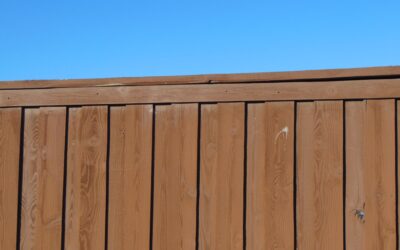
Vertical wood slats are the most-searched accent wall style of the last three years, and for good reason. They add dimension, hide imperfections in the drywall behind, and dampen sound around a media area.
Pre-fab acoustic slat panels from brands like Felt Right, Amazon, or Walltrim run $8 to $14 per square foot. DIY versions using 1×2 furring strips and oak veneer plywood cost about $4 per square foot in materials. Stain or finish the slats before installation to keep the back panel looking clean. Allow 1/2 inch gap between slats, with each slat 3/4 inch deep, for optimal shadow play.
Stone, Brick, and Tile Options
Material walls deliver the most dramatic impact and the highest budget. Real stacked stone like Eldorado Stone Cliffstone runs $12 to $18 per square foot in materials, plus $4 to $8 per square foot in installation labor. Brick veneer from manufacturers like Glen-Gery or Brickwebb is similar in price and slightly easier to install for DIYers.
- Norstone XL Aksent stacked stone panels — $14 per sq ft.
- Brickwebb thin brick — $9 per sq ft, comes in 8.7 sq ft sheets.
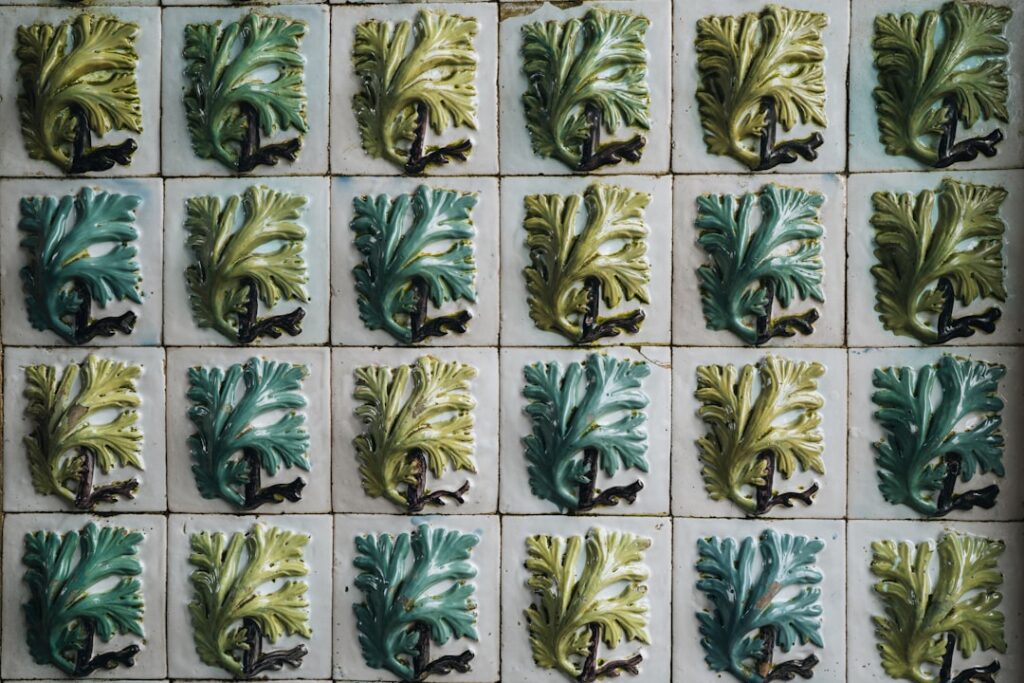
- Bedrosians Cloe ceramic tile — $7 per sq ft, glossy finish that reflects ambient light.
- Concrete-look porcelain large-format — $12 per sq ft.
- Live edge wood plank panels from Wallplanks — $6 per sq ft.
Built-In Cabinetry and Floating Shelves
For those willing to invest, a built-in media wall with cabinetry and floating shelves is the highest-end option. A typical 10-foot built-in with a recessed TV niche, a floating shelf, and lower base cabinets runs $4,000 to $9,000 depending on materials and door style. IKEA Besta hacks bring the cost down to $1,200 to $2,500 with painted MDF fronts and trim.
Plan the TV niche to be 2 inches wider and taller than the screen on each side, with a 4-inch deep recess. This allows for a flush mount like the Sanus VLF728 ($299) and leaves room for cable management.
Hiding the Cords and Hardware
Nothing breaks the look of an accent wall faster than visible HDMI and power cords dangling from the TV. There are three reliable solutions, all under $200.
- Datacomm Recessed Power Kit ($45) installs a flush outlet behind the TV plus a low-voltage box for cables.
- Power Bridge One-CK ($30) for a fully concealed extension run between two flush plates.
- Cordmate cable raceway ($25) painted to match the wall, for renters who cannot cut into drywall.
Always have an electrician confirm that the new outlet location is on a circuit that can handle the TV plus any media equipment, especially for soundbars or gaming consoles drawing 200 watts or more.
TV Sizing Relative to the Wall
The TV should occupy the visual middle third of the accent wall, both horizontally and vertically. For a 65-inch screen (roughly 57 inches wide), a 9 to 10 foot wide wall feels balanced. Smaller walls make the TV look crammed, larger ones make it feel lost.
Mount the screen so the center of the display sits 42 inches off the floor when measured from a typical seated eye level on a 17-inch deep sofa. Going higher than 50 inches creates neck strain during long viewing sessions and is the most common mounting mistake.
Common Pitfalls
The biggest design error is choosing an accent material that fights the rest of the room. A reclaimed barnwood wall in a clean modern living room reads like a costume rather than an integration. Pull a color or texture from existing furniture, rugs, or trim to keep the wall harmonious.
The second mistake is overlooking lighting. A TV accent wall in a dim corner will look flat regardless of materials. Add LED strip lights behind a recessed TV niche, picture lights above shelves, or a dimmable wall sconce on each side. The Hue Lightstrip Plus ($90) and the Mitzi Aimee sconce ($295) both work well in this application.