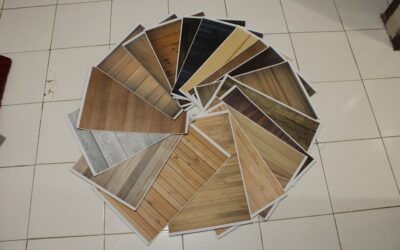
Wood flooring comes in more forms than most homeowners realize. Beyond the classic solid hardwood plank, there are engineered options, bamboo, cork, reclaimed wood, and specialty formats like parquet and end-grain blocks. Each type brings different performance characteristics, aesthetic qualities, and price points to the table.
This guide breaks down every major type of wood flooring so you can compare them side by side and choose the one that fits your space, lifestyle, and budget.
- Solid Hardwood Flooring
- Engineered Hardwood Flooring
- Bamboo Flooring
- Cork Flooring
- Reclaimed Wood Flooring
- Acacia Flooring
- End-Grain (Wood Block) Flooring
- Parquet Flooring
- Wood-Look Alternatives
- Comparison Chart
- How to Choose the Right Type of Wood Flooring
- Frequently Asked Questions
- What is the most popular type of wood flooring?
- Which wood floor is the hardest?
- Is engineered hardwood real wood?
- Can wood flooring go in bathrooms?
- What type of wood flooring is best for dogs?
- What is the cheapest type of wood flooring?
- Can I mix different types of wood flooring in one home?
- What type of wood flooring adds the most home value?
- What finishes are used on hardwood floors?
- What is the difference between hardwood and softwood flooring?
- What does the Janka hardness rating mean?
- What is compressed wood flooring?
- Final Thoughts
Solid Hardwood Flooring
Solid hardwood is milled from a single piece of timber, typically 3/4 inch thick. It’s the original wood floor and remains the standard against which all other wood flooring types are measured.
Common Species
- White oak: The most popular species in North America. Tight grain, excellent stain absorption, and good water resistance. Janka hardness: 1,360.
- Red oak: Warm pinkish tone, pronounced grain. Traditional and widely available. Janka: 1,290.
- Maple: Fine grain, very hard (Janka: 1,450). Clean, contemporary look. Doesn’t stain evenly.
- Hickory: Dramatic colour variation, extremely hard (Janka: 1,820). Rustic character.
- Walnut: Rich chocolate tones, softer (Janka: 1,010). Luxurious but less wear-resistant.
- Cherry: Warm reddish-brown that darkens with sunlight. Softer (Janka: 950). Elegant in formal rooms.
Pros
- Can be sanded and refinished 5 to 7+ times over its lifetime
- Lasts 50 to 100 years with proper care
- Highest resale value of any flooring type
- Authentic natural material with unique character
Cons
- Susceptible to moisture damage and seasonal movement
- Cannot be installed below grade or directly over concrete
- Requires nail-down installation over plywood subfloors
- Higher cost than engineered or alternative wood options
Cost: $5 to $15 per square foot (materials), $3 to $8 installation
Engineered Hardwood Flooring
Engineered hardwood has a real wood veneer (0.6 mm to 6 mm thick) bonded to a multi-layer plywood or HDF core. The cross-grain construction provides superior dimensional stability compared to solid hardwood.
Pros
- Installs over concrete, in basements, and over radiant heat
- Multiple installation methods (float, glue, nail)
- Less seasonal movement than solid hardwood
- Available in wider and longer plank formats
- Real wood surface looks and feels authentic
Cons
- Limited refinishing potential (1 to 3 times with thick veneers)
- Thin veneers can’t be sanded at all
- Quality varies significantly between manufacturers
Cost: $3 to $18 per square foot (materials), $2 to $7 installation
Bamboo Flooring
Technically a grass rather than a tree, bamboo produces a wood-like flooring product that’s rapidly renewable (bamboo reaches maturity in 3 to 5 years compared to 50+ years for hardwood trees). Bamboo flooring comes in three construction types:
- Horizontal bamboo: Strips laid flat, showing the natural nodes. Janka hardness around 1,180.
- Vertical bamboo: Strips stacked on edge for a more linear appearance. Similar hardness to horizontal.
- Strand-woven bamboo: Bamboo fibers compressed under extreme pressure, producing an extremely hard product (Janka: 3,000+). This is the premium bamboo option.
Pros
- Eco-friendly and rapidly renewable
- Strand-woven is harder than most hardwoods
- Unique aesthetic that differs from traditional wood
- Available in natural and carbonized (darker) tones
Cons
- Standard bamboo (non-strand-woven) scratches and dents easily
- Sensitive to humidity changes
- Quality varies dramatically between manufacturers
- Off-gassing concerns with adhesives used in some products
Cost: $3 to $10 per square foot (materials)
Cork Flooring
Cork flooring is harvested from the bark of the cork oak tree without killing the tree, making it one of the most sustainable flooring materials available. The bark regenerates every 9 years, allowing repeated harvesting from the same tree for over 150 years.
Pros
- Naturally warm and cushioned underfoot
- Excellent sound absorption
- Hypoallergenic and naturally antimicrobial
- Sustainable and renewable
- Comfortable for standing
Cons
- Soft and prone to denting from furniture and high heels
- Susceptible to moisture damage
- Fades in direct sunlight
- Limited colour and pattern options compared to hardwood
- Requires regular sealing
Cost: $3 to $8 per square foot (materials)
Reclaimed Wood Flooring
Reclaimed wood comes from demolished buildings, old barns, factories, warehouses, and even river bottoms. The wood is cleaned, de-nailed, and milled into flooring planks that retain the character and patina of their previous life.
Pros
- Unique character with nail holes, weathering, and aged patina
- Environmentally responsible (reuses existing materials)
- Often features old-growth timber species no longer commercially available
- Tells a story and adds historical interest
Cons
- Expensive ($8 to $25+ per square foot)
- Supply can be inconsistent
- May contain hidden nails or contaminants
- Requires experienced installation
- Dimensions and quality vary between batches
Acacia Flooring
Acacia is a fast-growing tropical hardwood with dramatic colour variation, flowing grain patterns, and surprising hardness (Janka: 1,750 to 2,300 depending on species). Available in both solid and engineered formats, acacia has become popular for its exotic look at a moderate price point.
Pros
- Harder than most domestic species
- Dramatic, unique grain patterns
- Relatively affordable for an exotic species
- Available in wide planks
Cons
- Dramatic colour variation isn’t for everyone
- Can be harder to match for repairs
- Quality varies between suppliers
Cost: $4 to $10 per square foot (materials)
End-Grain (Wood Block) Flooring
End-grain flooring uses wood blocks cut across the growth rings so the end grain faces up. This was historically used in factories and workshops because end grain absorbs impact and resists wear from heavy equipment. Today, end-grain flooring appears in high-end residential kitchens, restaurants, and design-forward commercial spaces.
Pros
- Extremely wear-resistant (the end grain is the hardest part of the wood)
- Unique, cobblestone-like appearance
- Absorbs impact and sound
- Comfortable for long periods of standing
Cons
- Expensive and labor-intensive to install
- Absorbs moisture if not properly sealed
- Limited availability
- Requires skilled installation
Cost: $10 to $30 per square foot (materials)
Parquet Flooring
Parquet is made of small wood pieces laid in a geometric pattern such as herringbone, chevron, basket weave, or the large square Versailles panel. It can be solid or engineered, and oak, walnut, and maple are the usual species. Herringbone and chevron in particular have come back strongly in modern interiors.
Traditional parquet was set piece by piece, which took a skilled installer and a lot of time. Many engineered parquet products now come as pre-assembled panels or click-together planks, which makes the job faster. Parquet still costs more than a straight plank floor because of the extra labor and waste: plan on roughly 15 to 20 percent overage instead of the usual 10 percent. It looks best where the floor is meant to be a feature, such as entryways, dining rooms, and living rooms.
Wood-Look Alternatives
When real wood is a poor fit, such as in full bathrooms, laundry rooms, damp basements, or homes with heavy pet traffic, a wood-look floor gives a similar appearance with more water resistance and less upkeep. None of them can be sanded and refinished, so they are replaced rather than renewed when worn.
Luxury Vinyl Plank
Luxury vinyl plank has a printed wood-grain layer under a clear wear layer and is waterproof through the plank. Better products use embossed-in-register texture, where the surface texture lines up with the printed grain, for a more convincing look and feel. It is usually one of the most budget-friendly options per square foot.
Laminate
Laminate pairs a high-resolution wood image with a dense fiberboard core and a hard, scratch-resistant top layer. It is often the cheapest wood-look floor. Standard laminate can swell if water sits on it, though water-resistant versions are increasingly common.
Wood-Look Porcelain Tile
Porcelain plank tile printed with wood grain is fully waterproof and extremely durable, which makes it a strong choice for bathrooms, kitchens, and covered outdoor areas. Long planks with tight grout joints look the most like real wood. It feels harder and colder underfoot than wood, and installation costs more than vinyl or laminate.
Comparison Chart
- Most durable: Strand-woven bamboo, hickory solid hardwood
- Best for moisture: Engineered hardwood (with caveats; for true waterproofing, consider waterproof flooring)
- Most eco-friendly: Cork, bamboo, reclaimed wood
- Highest resale value: Solid hardwood (oak, maple)
- Most affordable: Bamboo, engineered hardwood (entry-level)
- Most unique: Reclaimed wood, end-grain, acacia
- Easiest to install: Engineered hardwood (click-lock floating)
- Best for radiant heat: Engineered hardwood
- Best for basements: Engineered hardwood (floating or glue-down)
How to Choose the Right Type of Wood Flooring
Consider Your Room
Above-grade rooms with plywood subfloors are open to any wood flooring type. Below-grade spaces (basements) and rooms with concrete subfloors are limited to engineered hardwood or floating products. Kitchens and bathrooms need more moisture-resistant options like engineered hardwood, or you may want to consider vinyl or tile instead.
Consider Your Lifestyle
Homes with large dogs need hard species (hickory, strand-woven bamboo, white oak). Homes with young children benefit from durable finishes and forgiving textures (wire-brushed, hand-scraped). Low-traffic rooms can accommodate softer species like walnut and cherry.
Consider Your Budget
Engineered hardwood and bamboo deliver real-wood flooring at the lowest entry price. Solid hardwood occupies the middle range. Reclaimed wood, exotic species, and specialty formats like end-grain sit at the premium end.
Consider Long-Term Value
Solid hardwood’s ability to be refinished multiple times gives it the longest useful life. Over 50+ years, a solid hardwood floor that gets refinished three times may cost less per year than engineered or bamboo floors that need replacement.
Frequently Asked Questions
What is the most popular type of wood flooring?
Engineered hardwood has overtaken solid hardwood as the most installed wood flooring product due to its versatility, stability, and wider range of installation options.
Which wood floor is the hardest?
Strand-woven bamboo (Janka 3,000+) is the hardest commonly available option. Among traditional hardwoods, Brazilian walnut (Ipe) at 3,680 Janka and hickory at 1,820 Janka lead the field.
Is engineered hardwood real wood?
Yes. Engineered hardwood has a real hardwood surface layer. It looks, feels, and performs like wood because it is wood. The multi-layer core simply provides better stability.
Can wood flooring go in bathrooms?
It’s risky. Engineered hardwood with a durable finish can work in half-baths with careful maintenance. For full bathrooms with showers and tubs, LVP or tile is a safer choice.
What type of wood flooring is best for dogs?
Hard species with a tough, low-sheen finish hold up best. Hickory, white oak, and strand-woven bamboo resist dents and scratches better than softer woods like walnut or cherry. Engineered hardwood with a thick wear layer copes with water-bowl splashes and accidents better than solid wood, and matte or satin finishes hide small claw scratches far better than high gloss.
What is the cheapest type of wood flooring?
Among real wood floors, entry-level engineered hardwood, horizontal bamboo, and builder-grade oak are usually the least expensive. If you only need the look of wood, laminate is generally the cheapest option, followed by budget luxury vinyl plank. Floating installations also tend to cost less to install than nail-down or glue-down floors.
Can I mix different types of wood flooring in one home?
Yes, as long as the changes look intentional. A common plan is real hardwood in living areas and bedrooms with vinyl or tile in bathrooms and the laundry room. Change materials at doorways or natural breaks, use proper transition strips, and keep the undertones (warm or cool) consistent so the rooms flow together.
What type of wood flooring adds the most home value?
Solid hardwood, especially oak, is generally the most appealing to buyers and the most likely to support resale value, partly because it can be refinished for decades. Engineered hardwood also reads as real wood and adds appeal. Laminate and vinyl are practical, but buyers usually see them as neutral rather than a selling point.
What finishes are used on hardwood floors?
The main options are oil-based polyurethane, water-based polyurethane, hardwax oil and penetrating oil, plus the aluminum oxide coatings applied at the factory on prefinished floors. Water-based poly dries clear and fast; oil-based poly adds an amber tone. Oil finishes look natural and are easy to spot-repair but need more frequent upkeep. Prefinished factory coatings are usually the hardest-wearing.
What is the difference between hardwood and softwood flooring?
The terms are botanical, not a hardness rating. Hardwoods come from broadleaf trees such as oak, maple and hickory; softwoods come from conifers such as pine and fir. Most hardwoods are denser and resist dents better, which is why they dominate flooring. Pine and fir floors are still used for rustic and historic looks but dent more easily.
What does the Janka hardness rating mean?
The Janka rating measures the force, in pounds, needed to press a steel ball 0.444 inch in diameter halfway into a piece of wood. A higher number means the wood resists dents better. Red oak at about 1,290 is the usual reference point. Janka reflects the wood itself, not the finish, so scratch resistance also depends on the coating and sheen.
What is compressed wood flooring?
Compressed wood flooring usually refers to strand-woven bamboo, made by shredding bamboo stalks into fibers, mixing them with resin and pressing them under intense heat and pressure into dense planks. The result rates around 3,000 or more on the Janka scale, roughly twice as hard as red oak, so it resists dents from pets and furniture very well. Choose products with low-emission adhesives and acclimate the planks, since bamboo still reacts to humidity.
Final Thoughts
The types of wood flooring available today offer something for every taste, budget, and practical requirement. Solid hardwood remains the benchmark for quality and longevity. Engineered hardwood extends wood’s reach to more rooms and subfloor types. Bamboo and cork add sustainability options. And reclaimed wood brings unmatched character and history. Whichever type you choose, you’re investing in a natural, warm, and timeless foundation that elevates any room it touches.
Prefer to explore on your own?
See how new flooring looks in your actual room in seconds — free, no signup.
Try the free Floor Studio →