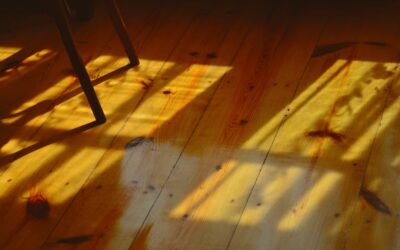
A 1920s walnut hardwood floor that costs $14 per square foot new can sometimes be found, pulled and palletized, for $3 per square foot at an architectural salvage yard. Used flooring rewards patient shoppers willing to inspect, plan, and re-finish — but it punishes anyone who buys based on photos alone. The right used hardwood, slate, or marble floor can save thousands on a renovation; the wrong used laminate or carpet costs more in headaches than savings. Here is how to tell which is which.
What Holds Up Used and What Does Not
Solid hardwood — oak, walnut, maple, hickory, heart pine, and exotic species — is the gold standard for reclaimed flooring because it can be re-milled and re-finished multiple times. Natural stone like slate, marble, and limestone holds up similarly. Salvaged ceramic and porcelain tile can work if the pattern is still in production for matching. Used carpet, laminate, sheet vinyl, and engineered hardwood with thin wear layers (under 2 mm) almost never make economic sense. Cheap engineered floors are essentially single-use.
Top Sources for Used Flooring
- Habitat for Humanity ReStore: nationwide network, $1-$4 per sq ft on hardwood, slate, ceramic. Inventory rotates weekly.
- Architectural salvage yards (Black Dog Salvage, Aurora Mills, Olde Good Things): $3-$8 per sq ft for premium reclaimed wood.
- Craigslist and Facebook Marketplace: $0-$3 per sq ft, highly variable quality, mostly remodel pulls.
- Demolition contractors: direct sourcing on tear-downs, prices negotiable.
- eBay (specialty hardwood only): $4-$10 per sq ft for premium woods like reclaimed heart pine and chestnut.
- Reclaimed flooring specialists (Pioneer Millworks, Longleaf Lumber): $8-$18 per sq ft for re-milled product.
Inspecting Used Hardwood
Five checks separate good used hardwood from firewood. First, measure the remaining face thickness above the tongue — at least 3/16 inch is needed for one full re-sanding and finish. Second, check moisture content with a pin moisture meter; aim for 6-9 percent and within 4 percent of your subfloor per NWFA guidelines. Third, scan for nail holes; salvaged tongue-and-groove with face nails throughout means tedious removal and patching. Fourth, smell for mold or pet urine — both are deal-breakers and rarely cleanable. Fifth, sort 20-30 boards into “good,” “patchable,” and “trash” piles. A 20 percent waste factor is typical; 40 percent or higher kills the economics.
Reclaimed Hardwood Pricing Tiers
Raw salvage pulled from demolition runs $1.50-$4 per sq ft and requires significant prep work. Re-milled reclaimed wood from specialists like Pioneer Millworks comes ready to install at $8-$18 per sq ft — equivalent to mid-grade new hardwood from Anderson Tuftex or Hearne Hardwoods. Antique heart pine, chestnut, and barnwood with documented provenance can run $14-$28 per sq ft. The economics work best at the raw-salvage end if you DIY the prep, or at the re-milled end if you want true reclaimed character without the headache.
Used Stone and Tile
Reclaimed slate from old roofs makes excellent flooring at $2-$5 per sq ft from salvage yards. Marble and limestone pulled from commercial renovations can be 40-60 percent off new pricing if the pieces are large enough to re-cut. Used ceramic and porcelain tile only works if you can match the pattern for repairs — never buy used tile for a primary install with no backup stock. Verify each piece for hairline cracks by tapping with a metal screwdriver: a clean ring is solid; a dull thud indicates a cracked tile.
What to Skip Entirely
Used carpet is almost always a bad buy. Even commercial-grade carpet drops 60-70 percent of its life span in the first installation, and the pad is always shot. Used laminate is similarly poor — once the click-lock joints have been engaged and disengaged, they rarely seat properly on the second install. Used LVP from short installs (under 90 days) can occasionally work but inspect every plank edge for chips. Used engineered hardwood with wear layers under 3 mm cannot be re-sanded and is usually one-and-done.
Hidden Costs to Factor
The cheap purchase price is only part of the math. Add 15-25 percent for material waste (warped boards, end-cut losses, snapped tongues). Add $1-$2.50 per sq ft for site sanding and re-finishing if you bought raw salvage. Add $0.50-$1 per sq ft for nail removal and re-milling if you can do it yourself or $2-$4 per sq ft if you outsource. A 500 sq ft reclaimed oak project sourced at $2.50 per sq ft can total $8-$12 per sq ft installed once labor and waste are included — still less than new premium hardwood, but not the screaming deal the headline price suggests.
Installation Considerations
Most used solid hardwood installs are nail-down over plywood subfloor, with 18-gauge cleats at 6-8 inch intervals. If the boards are mixed widths (common in salvage), plan a deliberate layout rather than random installation. Sand to 36, 60, then 100 grit if old finish remains; new wood typically starts at 60 grit. Finish with three coats of water-based Bona Mega ONE or oil-modified Duraseal — both standard NWFA-approved choices. Total install time for a 500 sq ft used hardwood project, including prep and finish: 5-8 days.
Smart Buying Strategy
Used flooring works best as a planned 6-12 week project, not an emergency buy. Set a budget that includes 25 percent contingency for waste and surprise prep. Subscribe to alerts at 2-3 local ReStore locations and one architectural salvage yard. Bring a moisture meter, tape measure, and clean rag to every inspection. Buy 30 percent more square footage than you need — you cannot match dye lots or wear patterns later. With patience and inspection discipline, used hardwood remains one of the few ways to get genuinely unique, character-rich flooring at well below new retail.
Prefer to explore on your own?
See how new flooring looks in your actual room in seconds — free, no signup.
Try the free Floor Studio →