British engineered wood flooring sits in a quietly competitive corner of the market, with V4 Wood Flooring among the most respected names. V4 flooring specializes in pre-finished engineered oak in plank, herringbone, and chevron formats, with finishes ranging from raw-look brushed white to deep smoked tones. The brand is well known across the UK and increasingly available in North America through specialty importers. Pricing sits in the premium tier, but the product quality, design selection, and installation flexibility justify it for the right project.
About the V4 Brand
V4 Wood Flooring launched in 2003 in the UK with a focus on European oak engineered products. The company sources oak from sustainable European forests and manufactures planks at their UK facility, with finishing including hand-scraping, brushing, smoking, and oil treatments applied in-house. This vertical integration produces tighter quality control than brands that outsource finishing.
The V4 brand has grown to include multiple collections targeting different design aesthetics, from rustic farmhouse looks to clean contemporary planks. Most products are FSC or PEFC certified for sustainable sourcing.
The Major V4 Collections
V4 organizes products into distinct collections. The most popular include:
- Tundra: Wide plank engineered oak, 220mm wide, with hand-finished oils and waxes. Premium tier.
- Alpine: Mid-tier engineered oak in plank format, 180-190mm wide, brushed and matt-lacquered finishes.
- Heritage: Traditional 145mm wide planks with rustic grading and natural oil finishes.
- Deco Parquet: Herringbone and chevron blocks for parquet installations.
- Lusso: Extra-wide, extra-long planks (300mm wide, up to 2.4m long) for statement installations.
- Bjelin: Stone-composite reinforced planks with enhanced durability.
Construction and Specs
V4 engineered planks typically feature:
- 15-20mm total thickness
- 3-6mm sawn or sliced oak wear layer
- Multi-ply Baltic birch or pine plywood core for dimensional stability
- Tongue-and-groove or click-lock systems depending on collection
- Pre-finished with UV-cured oils, waxes, or lacquers
- 4V micro-beveled edges on most products
The 6mm wear layer on premium lines is significant. It allows 3-4 sandings over the life of the floor, effectively extending the product to 50+ years with proper care.
Pricing in the US Market
V4 flooring sits in the premium engineered wood tier. Expect:
- Heritage 145mm rustic oak: $7.99-$10.99 per sq ft
- Alpine 180mm brushed oak: $9.99-$13.99 per sq ft
- Tundra 220mm hand-finished oak: $13.99-$17.99 per sq ft
- Lusso extra-wide planks: $15.99-$22.99 per sq ft
- Deco Parquet herringbone: $11.99-$18.99 per sq ft
Compare to Kahrs at $8-$15 per sq ft, Karelia at $10-$18, and Stuga at $12-$20. V4 sits in the same neighborhood as these established premium European brands.
Pros of Choosing V4
- Beautiful finishes: The brushed, smoked, and oiled finishes look like genuine high-end European flooring, not factory-pressed laminate imitating wood.
- Wide plank availability: Up to 300mm widths in select collections, satisfying the contemporary preference for substantial planks.
- Thick wear layers: 4-6mm sawn oak supports multiple refinishings.
- Sustainable sourcing: FSC and PEFC certified, important for environmentally focused buyers.
- Variety of installation formats: Plank, herringbone, and chevron all available within the same brand and matching finishes.
- Pre-finished, ready to walk on: Avoids the dust, smell, and downtime of site-finished hardwood.
Cons and Considerations
- Premium pricing: Materials alone can exceed $10,000 for a typical 1,000 sq ft installation.
- Limited US dealer network: Most US buyers will need to source through specialty importers with longer lead times.
- Oil finishes require maintenance: Re-oil every 2-5 years to maintain appearance, costing $200-$500 in materials per application.
- Color variation: Rustic grades intentionally include knots, cracks, and color contrast that not every buyer appreciates.
- Heavy planks require careful subfloor prep: Wide and long planks magnify any subfloor unevenness.
- Warranty support across borders: US claims processing flows through importers rather than V4 directly.
Performance Over Time
Genuine sawn oak holds up to decades of use when properly maintained. The pre-applied UV-cured finishes resist scratches and water spots well in residential traffic. Pets, kids, and dropped utensils will dent oak planks over time, which is part of the natural patina many V4 buyers actively want.
The hardwearing lacquered finishes (in collections like Alpine) shed minor scratches and clean easily with a damp microfiber mop. Oil finishes show wear faster but allow spot repair without refinishing the entire floor. A worn area can be cleaned, lightly sanded, and re-oiled in an afternoon.
Installation Approaches
V4 engineered planks can install three ways:
- Floating over underlayment: Click-lock products lay over foam or cork underlayment without adhesive. Easiest install.
- Glue-down to subfloor: Full-spread polyurethane adhesive over plywood or properly prepared concrete. Most stable, especially for wide planks. Adds $1.50-$3 per sq ft in adhesive and labor.
- Nail or staple down: 15-18 gauge cleats or staples through the tongue into a wood subfloor. Traditional method, suited to plywood subfloors only.
For wide planks (over 200mm), I recommend glue-down installation. The adhesive bond keeps planks flat through humidity swings and prevents the slight movement that wider boards otherwise experience as floating floors.
Subfloor Preparation
Subfloor flatness tolerance for V4 engineered wood is 3mm over 2 meters (roughly 1/8 inch over 6.5 ft). Skim coat or self-level any deviations. Concrete subfloors require moisture testing (under 4 lbs/1000 sq ft/24 hrs by calcium chloride test) and a moisture barrier if levels approach the limit.
Acclimate boxes flat-stacked in the install room for 5-7 days, with the room held at the humidity level it will normally experience (35-55% RH typical).
How V4 Compares to Competitors
- Vs. Kahrs (Sweden): Kahrs has stronger US presence and lifetime warranty. V4 often offers more dramatic finishes and wider planks at similar pricing.
- Vs. Karelia (Finland): Karelia leads in clean Scandinavian whites and pales. V4 leads in rustic and smoked aesthetics.
- Vs. Du Chateau (US): Du Chateau has a more designer-driven brand image. V4 offers comparable specs at sometimes lower prices.
- Vs. Mirage (Canada): Mirage is solid wood; V4 is engineered. Mirage handles refinishing better long-term; V4 handles humidity swings better.
Who Should Buy V4
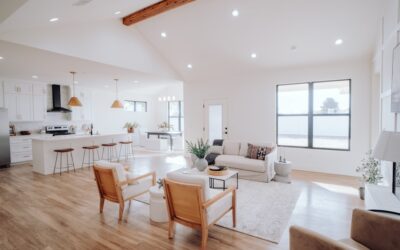
V4 flooring suits homeowners building or remodeling premium homes who want genuine European engineered oak with distinctive finishes. It’s particularly well-matched to renovations where flooring is a focal design element, like open-concept main floors with vaulted ceilings or statement entries.
Skip V4 if you need flooring within a week, have a budget under $7 per sq ft, or want a brand with established US service infrastructure for warranty claims. In those cases, look at Mirage, Hallmark, or Mohawk’s TecWood Premium lines instead.
Final Verdict
V4 flooring delivers genuine premium European engineered oak with finish quality and design variety that justifies the price for the right project. The brand’s UK roots show in the rustic and characterful aesthetics that distinguish it from cleaner Scandinavian competitors. For high-end residential projects where flooring is a design statement, V4 deserves a serious look from any buyer comparing premium engineered wood options.
Prefer to explore on your own?
See how new flooring looks in your actual room in seconds — free, no signup.
Try the free Floor Studio →