Choosing the right vacuums for hardwood floors is not just about cleaning power. The wrong vacuum can scratch, dent, and dull your wood floors faster than foot traffic. After installing and maintaining hardwood floors for over 30 years, we have seen what everyday cleaning tools do to wood surfaces over time, and the difference between a hardwood-safe vacuum and a damaging one is significant. This guide covers the best vacuum types, essential features, models we recommend, and what to avoid to keep your hardwood floors looking their best.
What Damages Hardwood Floors During Vacuuming
Before talking about the best vacuums for hardwood floors, you need to understand how vacuums damage wood in the first place. This knowledge makes the buying decision much clearer.
Beater bars and rotating brush rolls are the number one enemy of hardwood floors. These spinning bristle bars are designed to agitate carpet fibers and lift embedded dirt. On hardwood, they act like a spinning scrub brush, grinding debris into the finish and creating micro-scratches with every pass. Over months of use, these scratches accumulate and dull the floor’s appearance.
Hard plastic wheels on vacuum bodies can scratch wood surfaces, especially when the wheels pick up grit and drag it across the floor. Small wheels concentrate the vacuum’s weight on tiny contact points, increasing the scratch risk.
Exhaust blowing debris. Some vacuums blow exhaust air downward or to the side, which scatters fine dust and debris across the floor rather than capturing it. This is more common with upright vacuums and can push grit under furniture where it gets ground into the finish by foot traffic.
Metal components on the vacuum head, wheels, or body can gouge hardwood floors if they contact the surface. Even a small metal edge or exposed screw head on the bottom of a vacuum can leave permanent scratches in your floor’s finish.
The takeaway is simple: vacuums for hardwood floors must have a way to disable or remove the beater bar, must have soft or rubberized wheels, and must keep metal parts away from the floor surface.
Best Vacuum Types for Hardwood Floors
Three vacuum types excel on hardwood floors, each with distinct advantages:
Canister vacuums are the traditional favorite among flooring professionals. The motor and dust collection sit in a wheeled canister connected to a wand and floor head by a hose. This design puts less weight on the floor head, reducing scratch risk. The best canister vacuums for hardwood come with a dedicated hard floor attachment that uses felt strips or soft bristles instead of a rotating brush.
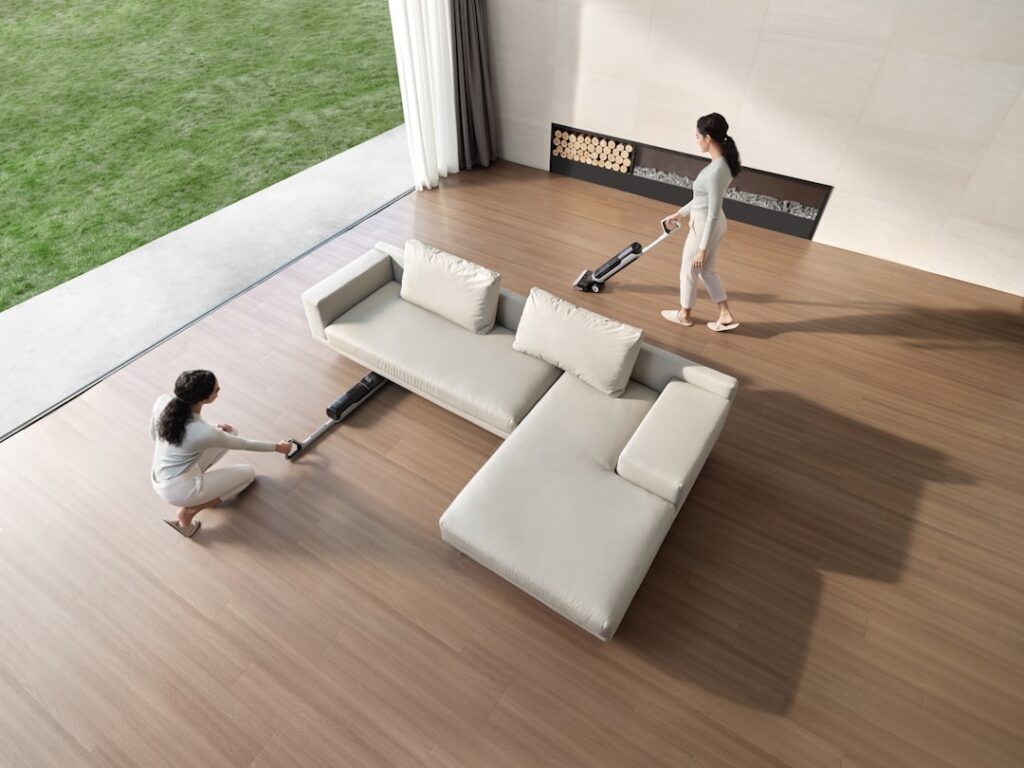
Cordless stick vacuums have become the most popular vacuums for hardwood floors in recent years. They are lightweight (typically 5 to 8 pounds), maneuverable, and most models include a soft roller head specifically designed for hard floors. The convenience of grabbing a stick vacuum for a quick cleanup makes it more likely you will vacuum frequently, which is better for your floors than occasional deep cleaning.
Robot vacuums provide hands-free daily maintenance that keeps hardwood floors free of dust, pet hair, and grit between manual cleanings. They run on soft rubberized wheels, use gentle brushing or suction-only cleaning, and can be scheduled to clean while you are away. Robot vacuums are not a replacement for a full-size vacuum but are an excellent complement to one.
Canister Vacuums for Hardwood
Canister vacuums offer the best overall cleaning performance on hardwood floors. The separate canister body means the floor head is lightweight and easy to maneuver, and the suction power is typically stronger than cordless stick vacuums.
What makes a canister vacuum ideal for hardwood:
- Dedicated hard floor head with natural bristles or felt strips
- Strong, consistent suction powered by a corded motor
- Large dust capacity (1 to 4 liters depending on model)
- Rubberized wheels on both the canister and floor head
- Adjustable suction control to prevent rugs from sticking and floors from being scratched
The downside of canister vacuums is that they are less convenient than stick or robot vacuums. The hose and cord can be cumbersome, and pulling a canister around behind you is not as agile as wielding a stick vacuum. For weekly deep cleaning, though, a canister vacuum with a proper hard floor head is hard to beat.
Top canister vacuums for hardwood include the Miele Complete C3 (our top recommendation for serious hardwood floor owners), the Miele Classic C1 (an excellent mid-range option), and the Kenmore 600 Series (a budget-friendly choice). The Miele models, in particular, have been the gold standard among vacuums for hardwood floors for years, with their SBB Parquet floor brush being one of the gentlest and most effective hard floor tools available.
Stick Vacuums for Hardwood
Cordless stick vacuums have transformed how people clean hardwood floors. The best models combine genuine cleaning power with the convenience of a battery-powered, grab-and-go design.
The key innovation for hardwood is the soft roller head. Instead of a traditional beater bar with stiff bristles, soft roller heads use a plush, velvet-like roller that picks up fine dust and larger debris without scratching the floor surface. Dyson popularized this design, and most major brands now offer their own version.
What to look for in a stick vacuum for hardwood:
- Soft roller or fluffy head: Essential for scratch-free cleaning on wood floors
- Battery life: 30 to 60 minutes on standard power mode; look for 40+ minutes for larger homes
- Suction power: At least 100 air watts on standard mode for effective pickup
- Filtration: HEPA filtration captures fine dust that would otherwise blow back into the room
- Weight: Under 7 pounds for comfortable one-handed use
- Swivel head: Allows the vacuum to navigate around furniture legs and into tight spaces
Price ranges for stick vacuums suitable for hardwood floors:
- Budget ($100-$200): Tineco A11, Shark Navigator Freestyle — decent performance, shorter battery life
- Mid-range ($250-$450): Dyson V12, Samsung Jet 70 — strong suction, good battery life, multiple floor heads
- Premium ($500-$800): Dyson V15, Samsung Bespoke Jet AI — top suction, laser dust detection, auto-adjusting power
Robot Vacuums for Hardwood
Robot vacuums are the best daily maintenance tool for hardwood floors. By running a robot vacuum once or twice a day, you remove the fine grit and debris that causes the most wear on wood floor finishes. Think of a robot vacuum as prevention rather than deep cleaning.
Modern robot vacuums are well-suited for hardwood floors because they use rubber extractors or suction-only cleaning modes rather than aggressive bristle brushes. The best models detect floor type automatically and adjust their cleaning method accordingly.
Important features for robot vacuums for hardwood floors:
- Rubber extractors: Gentler on wood than bristle brushes and less likely to tangle with pet hair
- LiDAR or camera navigation: Creates efficient cleaning paths and avoids repeatedly bumping into furniture
- Suction-only mode: Some models can disable the brush roll entirely for the gentlest possible cleaning
- Self-emptying base: Extends the time between manual maintenance from days to weeks
- Mapping and room selection: Clean specific rooms on schedule without cleaning the entire house
Top robot vacuums for hardwood floors in 2026:
- iRobot Roomba j9+: Excellent navigation, rubber extractors, self-emptying base, smart mapping ($600-$800)
- Roborock S8 MaxV Ultra: Strong suction, LiDAR navigation, mop function, auto-empty and self-wash dock ($800-$1,100)
- Ecovacs Deebot T30S: Solid performance, good mapping, competitive pricing ($500-$700)
- iRobot Roomba Combo Essential: Budget-friendly entry point with decent hardwood performance ($200-$300)
Essential Features to Look For
When shopping for vacuums for hardwood floors, prioritize these features above all else:
A hard floor-specific head is non-negotiable. Whether it is a soft roller, a parquet floor brush, or a suction-only floor head, you need a cleaning head designed for hard surfaces. Do not rely on turning off the beater bar on a carpet vacuum. Dedicated hard floor heads are shaped differently to create better suction contact with flat surfaces.
Suction control lets you adjust cleaning power. Maximum suction is great for carpets but can be excessive on hardwood, potentially dragging debris and creating scratches. A vacuum with adjustable suction lets you use moderate power for everyday hardwood cleaning.
HEPA filtration matters for air quality and floor protection. Vacuums without HEPA filters blow fine dust particles back into the room. This dust settles on your floors and furniture, negating part of your cleaning effort and creating a gritty layer that scratches the finish underfoot.
Edge cleaning ability varies widely between models. Hardwood floors collect dust and debris along baseboards and in corners. Look for vacuum heads that reach close to the edge of the wall or have side brushes (on robot vacuums) that sweep debris from edges into the suction path.
Quiet operation is a practical consideration. If your vacuum is loud enough to require ear protection, you will use it less often. The best vacuums for hardwood floors operate below 75 decibels on standard power, which is quiet enough for regular use without disturbing the household.
Top Vacuum Picks for Hardwood Floors
Based on our experience maintaining hardwood floors and testing dozens of models over the years, here are our specific recommendations for the best vacuums for hardwood floors in 2026:
Best overall: Miele Complete C3 Calima ($650-$800). The SBB Parquet floor head is the gentlest, most effective hard floor tool we have used. The suction is powerful and adjustable, the filtration is HEPA-grade, and Miele vacuums routinely last 15 to 20 years. This is a buy-it-once investment.
Best stick vacuum: Dyson V15 Detect ($650-$750). The laser dust detection actually shows you particles on the floor, the soft roller head is excellent on hardwood, and the auto-adjusting suction optimizes cleaning power based on debris load. Battery life is 60 minutes on standard mode.
Best budget stick: Tineco Pure One S15 ($200-$300). Strong suction for the price, includes a soft roller head, and offers smart suction adjustment. Battery life is adequate at 40 minutes. Excellent value.
Best robot: iRobot Roomba j9+ ($600-$800). Rubber extractors are gentle on hardwood, navigation is reliable, and the self-emptying base means minimal maintenance. Pair this with a stick vacuum for weekly deep cleaning and your hardwood floors will stay in excellent condition.
Best budget robot: iRobot Roomba Combo Essential ($200-$300). No-frills daily hardwood maintenance at a reasonable price. Lacks the mapping sophistication of premium models but does the basic job of picking up daily dust and debris.
Vacuums to Avoid on Hardwood
Certain vacuum types and features should be avoided to protect your hardwood floors:
Upright vacuums with non-disengageable beater bars. Many older and budget upright vacuums have a brush roll that spins whenever the vacuum is on. Using these on hardwood will scratch the finish. If your upright vacuum has a “hard floor” setting that stops the brush roll, it can work, but a dedicated hard floor vacuum is still preferable.
Vacuums with hard plastic wheels. Check the wheels before buying. Small, hard plastic wheels concentrate weight and can leave marks on hardwood, especially softer wood species like pine, fir, and birch.
Vacuums with poor filtration. Bagless vacuums with basic filters blow fine dust back into the room. This dust resettles on your floors within hours, creating a gritty film that gets ground into the finish by foot traffic.
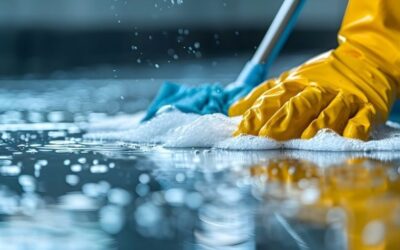
Water-based vacuum mops that dispense water onto the floor should be used with caution. Excessive water on hardwood causes swelling, cupping, and finish damage. If you use a vacuum-mop combo, use the absolute minimum water setting and never let water sit on the floor. Traditional hardwood floors (solid wood with penetrating oil or polyurethane finish) are more susceptible to water damage than engineered hardwood with a factory finish.
Frequently Asked Questions
Can I use a regular vacuum on hardwood floors?
Only if it has a setting to disengage the beater bar or a separate hard floor attachment. Using a vacuum with a spinning brush roll on hardwood will scratch the finish over time. Many modern vacuums include a hard floor mode or attachment, but always verify before using any vacuum on wood floors.
How often should I vacuum hardwood floors?
Vacuum or dust-mop hardwood floors at least twice per week in active households. Homes with pets or children benefit from daily vacuuming or running a robot vacuum daily. The single best thing you can do for your hardwood floor’s longevity is remove grit and debris frequently before it gets ground into the finish by foot traffic.
Is a robot vacuum enough for hardwood floors?
A robot vacuum provides excellent daily maintenance but should be supplemented with a full-size vacuum (canister or stick) once per week. Robot vacuums have limited suction compared to corded or premium cordless vacuums, and they may miss corners, edges, and areas under low furniture. Think of a robot vacuum as your daily maintenance tool and a manual vacuum as your weekly deep-clean tool.
Will a vacuum scratch my hardwood floors?
The wrong vacuum absolutely will scratch hardwood floors. Vacuums with spinning beater bars, hard plastic wheels, or exposed metal parts can cause visible damage over time. Choose a vacuum with a soft roller or parquet floor head, rubberized wheels, and no metal contact points to protect your floors.
Are Dyson vacuums good for hardwood floors?
Dyson cordless stick vacuums with the Fluffy soft roller head are among the best vacuums for hardwood floors. The soft roller picks up fine dust and debris without scratching, and the auto-adjusting suction prevents excessive power on hard surfaces. Avoid using the motorized cleaner head (designed for carpets) on hardwood, as the stiff bristles can scratch the finish.
Prefer to explore on your own?
See how new flooring looks in your actual room in seconds — free, no signup.
Try the free Floor Studio →