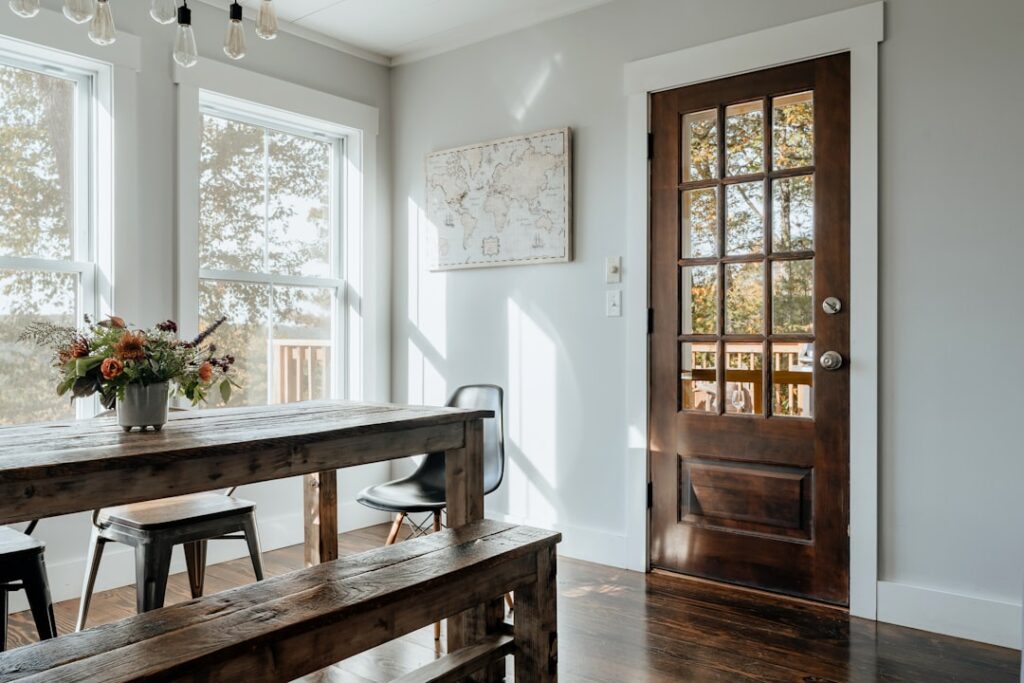
The quickest way to give a plain house genuine character is to swap out its builder-grade levers for hardware with a story. Vintage door knobs interior hardware — whether salvaged from a 1920s farmhouse or faithfully reproduced — brings a weight, patina, and detail that new stamped knobs simply cannot fake. The challenge is that antique knobs were built to old standards that do not always match modern doors, so knowing how to source and fit them matters as much as choosing a style. Here is how to do it well.
Why Vintage Hardware Reads So Differently
Old knobs were made from solid brass, cast bronze, cut glass, and porcelain, materials with heft and depth that catch light in a way plated modern hardware does not. They were also individually finished, so each carries subtle tool marks and a genuine patina. Set a solid glass knob beside a hollow contemporary lever and the difference in quality is immediate. That authenticity is exactly what makes vintage hardware such a strong, low-cost design statement.
Know the Eras and Styles
Matching hardware to your home’s period, or the look you want, starts with recognizing the major styles.
- Victorian (1870s-1900s): Ornate cast bronze and brass with intricate floral or geometric backplates.
- Glass and crystal (1920s-1940s): Faceted clear, amber, or milk-glass knobs, a Depression-era favorite that still feels elegant.
- Porcelain and ceramic: White or black ceramic knobs common in early-1900s cottages and farmhouses.
- Art Deco (1920s-1930s): Bold geometric shapes in chrome and brass.
- Mid-century (1940s-1960s): Simpler tapered brass and Bakelite knobs.
You do not have to match your home’s exact age. Many homeowners use glass knobs throughout a modern house purely for the charm they add.
Where to Source Them
You have two paths: genuine antiques or quality reproductions. Architectural salvage yards, estate sales, flea markets, and online auction sites are the hunting grounds for the real thing, where individual knobs run $15 to $60 and rare sets climb higher. Reproductions from specialty hardware makers cost $25 to $75 per set but arrive complete, matched, and mechanically compatible with modern doors. For a whole house, mixing a few standout salvaged knobs with reproductions for the rest keeps the budget and the effort reasonable.
The Spindle Problem
The single biggest fitting issue with antique knobs is the spindle, the square rod that connects the two knobs through the door and turns the latch. Old spindles came in varying sizes and thread patterns that rarely match modern latch mechanisms. When buying vintage knobs, you often get the knobs and rosettes but need a new threaded spindle sized to your door thickness. Universal replacement spindles are sold specifically for adapting antique knobs, and they solve most compatibility headaches.
Matching to Modern Latches and Doors
Modern interior doors are bored with a 2.125-inch face hole and a latch on a 2.375- or 2.75-inch backset. Genuine antique mortise sets, by contrast, required a rectangular pocket cut into the door edge — a mortise — that most current doors do not have. You have two options: buy a reproduction knob set designed to fit a standard modern bore, or pair antique knobs with a modern tubular latch using an adapter spindle and separate rosettes. The second route preserves authentic knobs while working with the door you already own.
Restoring Salvaged Knobs
Old hardware usually needs cleaning before it shines. Soak painted-over brass knobs in a crockpot of hot water and dish soap for a few hours, then peel and brush the softened paint away — never use harsh strippers on delicate finishes. Polish bare brass with a dedicated metal polish, but resist over-polishing pieces whose patina is part of the appeal. Wash glass and porcelain knobs gently and inspect them for cracks, since hairline fractures spread under the stress of daily turning.
Installing Your Vintage Knobs
The process is manageable with patience.
- Remove the existing hardware and note your door thickness and backset.
- Fit the modern or adapter spindle through the latch mechanism inside the door.
- Mount the rosette or backplate on each side, aligning the screw holes.
- Thread each knob onto the spindle and adjust so both turn the latch smoothly.
- Set the knob position with the retaining screw and confirm the latch throws fully.
Test the door a dozen times before moving on. A knob that binds or a latch that sticks usually means the spindle needs a slight length adjustment.
Mixing Vintage Knobs With a Modern Home
You do not need a period house to use antique-style hardware, and some of the most striking interiors pair vintage knobs with clean modern architecture. Glass and crystal knobs in particular bridge eras beautifully, adding sparkle and warmth against flat-panel doors and neutral walls. The trick is consistency: pick one knob style and one finish family, then repeat it on every interior door so the look feels curated rather than accidental.
Think about where the hardware will get the most attention. A pair of ornate bronze knobs on a formal dining-room door makes a statement, while simpler ceramic knobs suit bedrooms and closets. Coordinate the knob finish loosely with your hinges and other visible metals — aged brass knobs with oil-rubbed bronze hinges can clash, so aim for the same tone family. If your budget is tight, start with the doors guests see most and expand room by room. This selective approach lets vintage character grow into the house naturally without a single overwhelming expense.
A Small Change With Big Impact
Few upgrades deliver as much character per dollar as period hardware, and it can be done one door at a time as your budget and finds allow. Handle the spindle and latch compatibility up front, and vintage door knobs interior hardware will give even a new-build house the soul and craftsmanship of a home with real history.