Online product photos almost never tell the full story. Manufacturer-provided vinyl flooring images are shot in perfect lighting on perfectly square rooms with staged furniture – real installations rarely look identical. Knowing how to read product images, identify pattern variations, and visualize a plank in your actual space saves expensive ordering mistakes and disappointed afternoons.
The Three Main Vinyl Categories You’ll See
Almost every vinyl flooring image you’ll see online falls into one of three product categories. Recognizing them helps you understand what you’re actually looking at.
- Luxury Vinyl Plank (LVP) – Long, narrow planks (typically 6 to 9 inches wide, 36 to 60 inches long). Most common in modern homes. Wood-look patterns dominate.
- Luxury Vinyl Tile (LVT) – Square or rectangular tiles in stone, marble, or ceramic looks. Often grouted for extra realism.
- Sheet vinyl – Continuous rolls 6 to 12 feet wide, custom cut to room dimensions. Cheapest option, used in rentals and budget renovations.
When browsing images, plank length and width are the first things to identify. Longer wider planks (8 x 60 inch and up) photograph more dramatically and feel more modern in person.
Wood-Look Patterns: The Dominant Style
Wood-look LVP accounts for 80 percent of residential vinyl sales. Pattern variations cluster into a few clear categories:
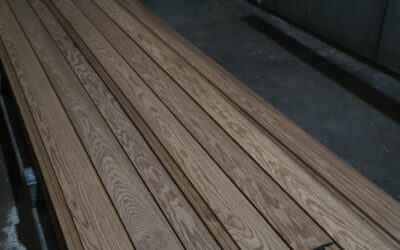
- Light oak and white oak – Pale, neutral tones with light graining. Popular in modern coastal, Scandinavian, and contemporary homes.
- Walnut and dark wood – Rich brown to near-black tones. Traditional and formal feeling.
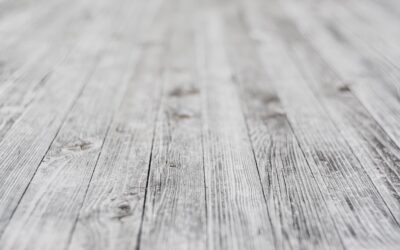
- Reclaimed and rustic – Heavy texture, color variation between planks, knots and weathering. Farmhouse and industrial styles.
- Hickory and exotic – Multi-tonal planks with strong color variation. Mountain home and craftsman styles.
- Hand-scraped and wire-brushed – Surface texture features, dramatic visual depth. Higher-end aesthetic.
Within each category, look for embossed-in-register (EIR) texture – the surface bumps align with the printed grain pattern. EIR products look dramatically more realistic than smooth-surface LVP and cost 20 to 40 percent more.
Stone and Tile Looks
LVT in stone patterns competes with ceramic tile for kitchens, bathrooms, and laundry rooms. Common patterns:
- Travertine – Warm beige with mottled cream and rust tones
- Slate – Dark gray to black with subtle color variation
- Marble – White with gray, black, or gold veining (Calacatta and Carrara are most popular)
- Concrete – Industrial gray, smooth or troweled texture
- Terrazzo – Speckled chips in a binder, currently trending
Grouted LVT installations look closest to real tile. Most modern LVT systems include grout strips or accept thin grout lines for added realism.
How to Visualize Vinyl in Your Space
Three free tools dramatically improve your ability to see how vinyl will look:
- Manufacturer room visualizers – Shaw, Mohawk, and COREtec all offer apps that overlay flooring on photos of your room
- Order physical samples – Most retailers provide 3 to 6 inch samples free or for $5 each. Tape them down in the actual room before deciding.
- Order a full plank – For $15 to $40, get a real-size plank. The pattern repeat across multiple planks is what your final floor will look like.
Lighting matters more than people realize. Under warm incandescent light, gray oak photos look beige; under cool LED, the same plank looks distinctly gray. Always check samples in your actual room lighting at different times of day.
Reading Product Photos Critically
Manufacturer images are professionally staged. Common visual tricks to watch for:
- Wide-angle lens distortion makes rooms look larger than they are
- Side-lighting exaggerates surface texture – the same floor under overhead light looks much smoother
- Carefully placed rugs hide pattern repetition and seam joints
- Stylist props (plants, vases) draw attention away from less flattering details
- Color editing in post-production can shift hues by 5 to 15 percent
Look for “real customer install” galleries on retailer sites and Houzz. These show floors in unedited home photos and tell a more honest visual story.
Pattern Repeat: The Hidden Detail
Vinyl planks are printed – which means the same pattern repeats across multiple planks in a box. Cheap LVP may have only 4 to 8 unique pattern faces in a 24-plank box, creating obvious repetition every 12 to 16 feet. Premium LVP offers 16 to 36 unique faces, hiding pattern repetition almost entirely.
Mix planks from multiple boxes during installation to maximize visual variation. Pull from 3 to 4 boxes at once and randomize the sequence.
Plank Width Affects the Whole Room
Plank width influences the room’s perceived size more than color does. Wider planks (8 inches and up) make rooms feel more spacious and modern. Narrower planks (4 to 6 inches) feel traditional and busy. For small rooms under 200 sq ft, narrow planks can make the space feel cluttered; consider longer wider planks instead.
Plank direction also matters. Run planks parallel to the longest wall in most rooms. In hallways, planks running lengthwise visually elongate the space.
Color Trends for 2026
Light to mid-tone oak in warm beige and natural tones dominates this year. Cool gray peaked in 2018-2022 and is fading; warm neutrals have replaced it. Hickory and reclaimed-wood looks are gaining ground in larger homes. White-washed oak is the consistent bestseller in coastal and modern farmhouse styles.
For long-term value, stick with neutral tones that age well. Bold colors and unusual patterns tend to date faster.
Frequently Asked Questions
Where can I see vinyl flooring images of real installations?
Houzz, Pinterest, Reddit’s HomeImprovement and Flooring subreddits, and the customer photo sections on Floor and Decor and Home Depot product pages.
Do online vinyl flooring images look like the real product?
Color and pattern are usually accurate; texture and depth are often exaggerated. Always order physical samples before committing.
How do I match vinyl to existing flooring in adjacent rooms?
Take a sample of your existing floor to the showroom and match in person under multiple lighting conditions. Photographs alone aren’t reliable.
What pattern of LVP looks most like real wood?
Embossed-in-register (EIR) textures with high-resolution print and 16+ unique pattern faces per box. Brands like COREtec, Karndean, and high-end Shaw lines lead this category.
Is light or dark vinyl better for small rooms?
Light tones generally make rooms feel larger and brighter. Dark tones create more drama but can feel cramped in small spaces.
Prefer to explore on your own?
See how new flooring looks in your actual room in seconds — free, no signup.
Try the free Floor Studio →