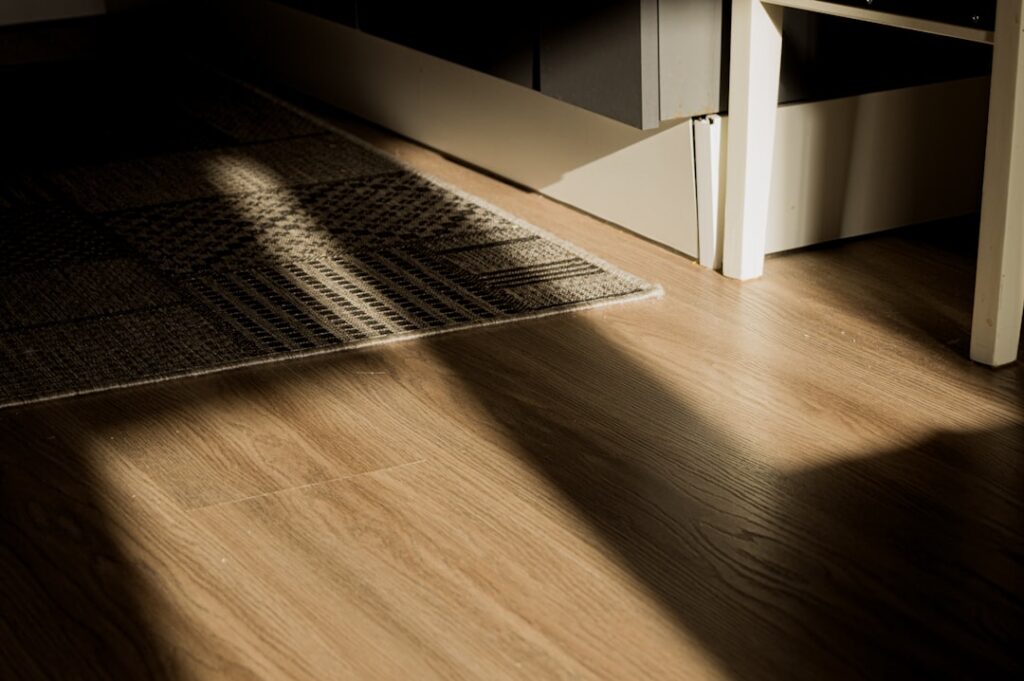
Few floors fit the South Texas climate as well as vinyl, which is exactly why it has become one of the most requested materials in the region. Shopping for vinyl flooring San Antonio means planning for long, hot summers, occasional heavy storms, and the slab-on-grade construction that defines most local homes. Luxury vinyl plank and tile are waterproof, stable in heat, and tough enough for busy households, making them a natural match for the area. This guide covers the best types, realistic local costs, and how to choose a reliable installer.
Why Vinyl Works in San Antonio
San Antonio’s climate is hot and humid for much of the year, with intense summer heat and the risk of sudden downpours and flooding. Vinyl handles all of it. Because it is waterproof, it shrugs off spills, mopping, and the kind of moisture that can ruin wood or laminate.
Most homes here sit on concrete slabs, and vinyl installs beautifully over a clean, flat slab. It stays dimensionally stable through temperature swings far better than solid hardwood, which can gap and cup in this environment.
Types of Vinyl Flooring to Consider
Vinyl is not a single product. Knowing the categories helps you match the floor to the room and your budget.
- Luxury vinyl plank (LVP): Wood-look planks that are the most popular choice for living areas and bedrooms.
- Luxury vinyl tile (LVT): Stone- and tile-look squares, great for kitchens and bathrooms.
- SPC (stone plastic composite): Rigid-core vinyl with excellent dent resistance and dimensional stability, ideal for slab homes and sun-exposed rooms.
- WPC (wood plastic composite): Slightly softer and warmer underfoot, with a comfortable feel.
- Sheet vinyl: The most affordable, seamless option for utility spaces.
Rigid Core Is a Smart Pick for Texas
In a hot climate with slab foundations, rigid-core SPC vinyl deserves a close look. Its dense core resists the expansion and contraction that can affect flexible vinyl when a room heats up in direct sun through large windows.
SPC also handles heavy furniture and high traffic without denting easily, and it installs over minor slab imperfections with the right underlayment. For sunrooms, kitchens, and west-facing rooms that bake in the afternoon, it is the most forgiving option.
Local Cost Ranges
Prices depend on the product grade and the complexity of the job, but these general installed ranges help you budget for a San Antonio project.
- Sheet vinyl: roughly $2 to $5 per square foot installed.
- Entry-level LVP: roughly $3 to $6 per square foot installed.
- Mid-grade LVP and LVT: roughly $5 to $9 per square foot installed.
- Premium SPC and WPC: roughly $7 to $12 per square foot installed.
Texas labor often runs near or slightly below national averages, but slab prep, old-floor removal, and leveling can add to the total, so always request an itemized quote.
Preparing a Slab for Vinyl
The finished result depends heavily on the subfloor. A concrete slab must be clean, dry, and flat for vinyl to lie smoothly and lock properly. Even small high or low spots telegraph through thinner vinyl over time.
A quality installer will check the slab for moisture, grind down high spots, and fill low areas with a self-leveling compound before laying a single plank. Skipping this step is the most common cause of premature failure, so ask exactly how the installer plans to prep the floor.
Handling Heat and Sunlight
Direct sun through large windows can heat a floor significantly, and lower-quality vinyl may expand or fade under constant exposure. Choose products with strong UV stability and a robust wear layer, and consider rigid-core SPC for the sunniest rooms.
Window coverings, UV-filtering films, and area rugs in sun-drenched spots all help extend the floor’s color and stability. These small precautions matter most in San Antonio’s bright, hot conditions.
How to Vet a Local Installer
The installer makes or breaks a vinyl job, especially over slab. Take the time to choose carefully.
- Confirm the company is insured and has solid local references.
- Ask how they will test and prepare the slab, including moisture and leveling.
- Get a detailed written estimate covering material, labor, prep, and removal.
- Check that the product warranty is honored with their installation method.
- Read recent reviews and look for consistent praise on cleanliness and timelines.
Understanding the Wear Layer
The single most important spec when comparing vinyl is the wear layer, the clear protective top measured in mils. A thicker wear layer resists scratches, scuffs, and the grit that gets tracked across busy Texas households. For light-traffic bedrooms, a 12-mil layer is adequate, but living areas, kitchens, and homes with pets or kids do far better with a 20-mil wear layer or more.
Bargain vinyl with a thin 6- to 8-mil wear layer may look identical in the store but shows traffic patterns and dulling within a couple of years. Spending a little more on a thicker wear layer is one of the best long-term value decisions you can make, since it directly determines how long the floor keeps looking new.
Acclimation and Installation Timing
Even waterproof vinyl benefits from acclimating to the home before installation. In a climate where indoor and outdoor temperatures can differ sharply, letting the planks sit in the room for 24 to 48 hours lets them adjust so they do not expand or contract after locking together. This is especially important for rooms that swing between air conditioning and the heat of a Texas afternoon.
Keep the home’s air conditioning running during and after installation to maintain a stable temperature. A floor installed in a hot, closed-up house can develop gaps once the AC cools the space, so a consistent indoor climate during the job protects the finished result.
Making the Right Choice
For most San Antonio homeowners, vinyl flooring delivers an unbeatable mix of waterproof durability, heat stability, and value over the area’s typical slab foundations. Choose rigid-core SPC for sun-soaked and high-traffic rooms, mid-grade LVP for general living spaces, and LVT where you want a tile or stone look without the cold and grout. Insist on proper slab preparation, plan for the heat, and hire a vetted installer, and your vinyl floors will stay beautiful and trouble-free through many hot Texas summers.
Prefer to explore on your own?
See how new flooring looks in your actual room in seconds — free, no signup.
Try the free Floor Studio →