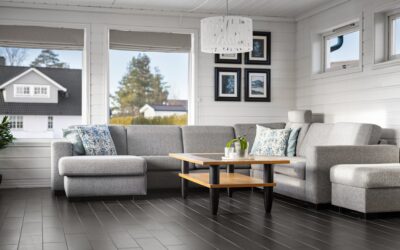
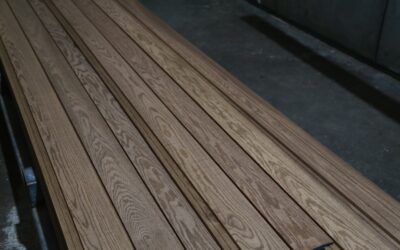
The single innovation that turned vinyl plank from a contractor product into a DIY juggernaut was the click joint. Glue-down LVT had been around for decades, but it required smoothed substrates, professional adhesive work, and a working knowledge of trowel notch sizes that most homeowners do not want to learn on a Saturday. Vinyl snap flooring — sometimes called click-lock LVP, snap-and-lock vinyl, or rigid core click planks — uses mechanical edges that drop, angle, or tap into adjacent boards without any adhesive. Half the kitchen floors going down in suburban America today are vinyl snap, and the gap between the cheapest and best of those products is wider than the price tags suggest.
How Vinyl Snap Joints Actually Work
Two main locking systems dominate the market. Angle-and-drop systems (often branded Unilin, Valinge 2G, or Drop Lock) require tilting a plank into the long edge of the previous row, then dropping the end joint home — fast and forgiving, but prone to gapping if the floor flexes. Angle-and-tap (5G or fold-down) systems engage both long and short edges from one motion, with a spring-loaded plastic or composite tongue that drops up into a corresponding groove.
The 5G systems are stronger and harder to misalign, but they require more force to install and are unforgiving of damaged edges.
Core Materials Decoded
- SPC (stone polymer composite): Limestone-filled rigid core, 3.5mm to 7mm thick, dense and dimensionally stable. Best over uneven slabs, basements, and high-traffic rooms.
- WPC (wood polymer composite): Foamed polymer core, 5mm to 8mm thick, softer and warmer underfoot. Best for bedrooms and living rooms where comfort matters.
- Flexible LVP: Older click vinyl with a non-rigid core. Less common today but still sold at the budget end.
SPC dominates the market in 2026 because it pairs waterproof performance with the rigidity that hides minor subfloor irregularities. Most major brands — COREtec, NuCore, LifeProof, Mohawk RevWood — center their product lines on SPC cores.
Wear Layer — the Most Important Spec
The wear layer is the clear PVC top film that protects the printed decor from scratches, scuffs, and UV. It is measured in mils (thousandths of an inch). For residential use:
- 6 mil — bargain product, suitable only for low-traffic rooms
- 12 mil — solid mid-range residential
- 20 mil — heavy residential and light commercial
- 28 mil — light to heavy commercial
Pet households and any room with chair legs or kids should target 20 mil minimum. Skipping this spec is the most common reason homeowners are unhappy with vinyl snap floors three years in.
Pricing in 2026
Material costs across the major retailers:
- Budget SPC at Home Depot or Lowe’s: $1.99 to $2.99/sq ft, 6 to 12 mil wear layer
- Mid-range click LVP: $3.50 to $5.50/sq ft, 12 to 20 mil
- Premium SPC (COREtec Pro Plus, Karndean LooseLay Longboard): $5.50 to $8.50/sq ft, 20 to 30 mil
- Designer click LVT (Amtico Click Smart): $7 to $12/sq ft
Installation runs $1.50 to $4 per square foot for click systems — significantly less than glue-down LVT or hardwood. For 800 sq ft, plan on $3,500 to $7,000 total installed for a mid-range product.
Pros That Drive Adoption
Speed of install heads the list. A two-person team can lay 600 to 800 square feet of click vinyl in a single day on a prepared substrate, against 200 to 400 for glue-down. DIY-friendly tools (utility knife or cheap miter saw) cover most cuts, no adhesives or specialised trowels required.
Waterproof cores in SPC and WPC handle spills, pet accidents, and burst-pipe events that destroy laminate. Most premium products carry full-water-resistance warranties of 25 years or longer for residential use.
Click systems can install over almost any flat substrate including existing tile, sheet vinyl, plywood, OSB, and concrete slabs above or below grade.
Cons That Bite Buyers
Substrate flatness still matters. The marketing claims that click vinyl hides imperfections. Reality: a substrate out of flat by more than 3/16-inch in 10 feet will produce hollow spots, click joint failures, and visible humps. Self-levelling compound or sanding is still required on most slabs.
Telegraphing of subfloor lines, screw heads, and seams happens with thinner planks. SPC under 5mm with a 12-mil wear layer will show every imperfection within 12 months.
Edge repair is harder than glue-down. Damage one plank in the middle of the floor and you may need to disassemble back to that point, or use a reset tool that risks damaging adjacent planks.
Heat sensitivity is another issue. Most vinyl snap products cap surface temperatures at 80 °F or 85 °F. South-facing rooms with no UV protection on the windows can exceed those limits, causing planks to shrink at edges over time.
Installation Tips That Save Time
Acclimate boxes for 48 hours flat-stacked in the install room. Test substrate flatness with a 6-foot or 10-foot straightedge before starting. Use a tapping block on the long edge and a pull bar at end joints — never strike the plank directly.
Stagger end joints by at least 8 inches between adjacent rows. Many manufacturers recommend a 33 percent stagger pattern (rather than the traditional 50 percent brick pattern) because of the slight crown that some plank profiles develop.
Leave 10mm perimeter expansion gaps at every wall, doorway, and pipe penetration. Cover with quarter-round, scotia, or skirting refit. Skip the gap and the floor will buckle within a season.
Best Brands for 2026
COREtec leads the premium tier with their Pro Plus and Galaxy Plus lines — 20 to 28 mil wear layers, 7-foot plank lengths, attached pre-installed underlayment.
LifeProof (Home Depot exclusive) covers the mid-range with consistent quality and 100-year residential warranties on flagship lines.
NuCore (Floor and Decor exclusive) and Tranquility (Lumber Liquidators / LL Flooring) offer competitive pricing on 12 to 20 mil wear layer products.
Mohawk RevWood and Shaw Floorte run national distribution with broad colour ranges and consistent installer training.
Bottom Line
Vinyl snap flooring is the right answer for most kitchens, living rooms, and basements being renovated in 2026. Choose an SPC core for hard-use rooms, a WPC for comfort areas, a wear layer of at least 20 mil for pet households, and a major brand for warranty support. Pair the right product with proper subfloor prep, and the result is a floor that survives spilled wine, dropped pans, and a decade of dog claws without complaint.
Prefer to explore on your own?
See how new flooring looks in your actual room in seconds — free, no signup.
Try the free Floor Studio →