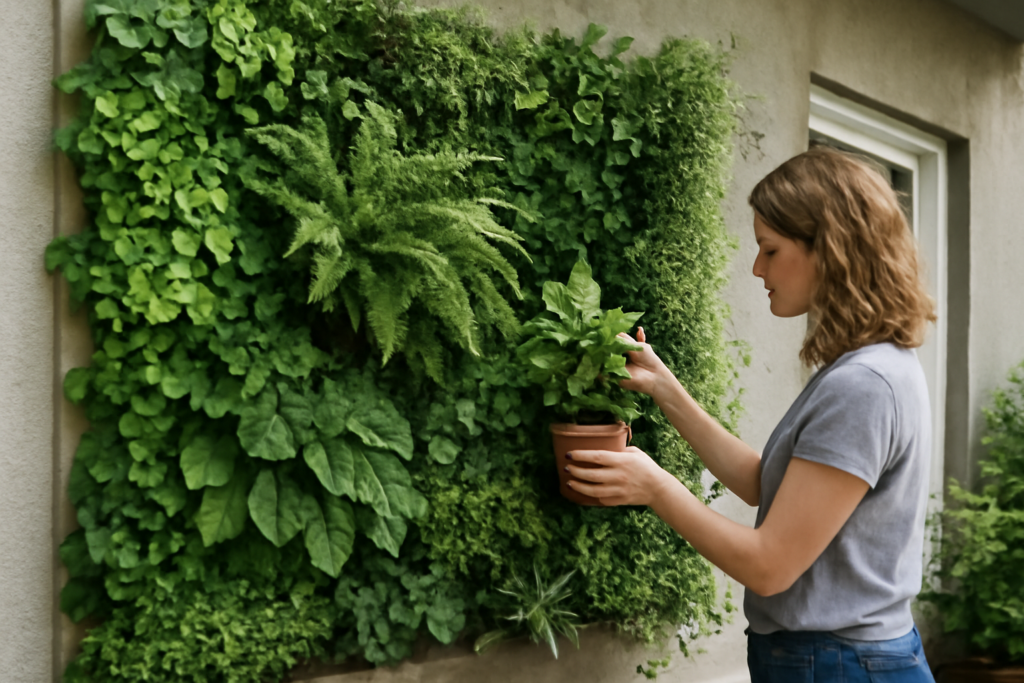
Vertical gardens have moved from trendy restaurant feature walls into ordinary homes, and choosing the right wall garden plants is the difference between a lush, living tapestry and a sad row of struggling pots. A living wall packs greenery into spaces where a traditional garden will not fit, purifies the air, and turns a blank wall into a striking focal point. Whether you want an indoor accent in the living room or a leafy outdoor privacy screen, the key is matching plants to your light, climate, and maintenance habits.
- What Makes a Good Wall Garden Plant
- Best Plants for Indoor Living Walls
- Best Plants for Outdoor Living Walls
- Reading Your Light Conditions
- Choosing a Wall Garden System
- Watering and Maintenance Basics
- Soil, Feeding, and Seasonal Care
- Common Mistakes to Avoid
- Protecting the Wall Behind the Garden
- Final Thoughts
What Makes a Good Wall Garden Plant
Not every plant thrives mounted on a wall. The best candidates share a few traits: shallow root systems, a tolerance for the slightly cramped conditions of vertical pockets or panels, and a growth habit that either trails attractively or stays compact. Drought tolerance helps too, since vertical planters can dry out faster at the top than the bottom. Lightweight, fast-establishing plants that fill in gaps quickly give you that full, living-wall look without a long wait.
Best Plants for Indoor Living Walls
Indoor walls reward plants that handle lower light and indoor humidity. Reliable performers include:
- Pothos: Nearly indestructible, trails beautifully, and tolerates low light.
- Philodendron: Lush, fast-growing, and forgiving of irregular watering.
- Ferns: Boston and bird’s nest ferns add soft texture and love humidity.
- Spider plant: Hardy, air-purifying, and produces cascading offshoots.
- Peace lily: Tolerates shade and adds occasional white blooms.
- Succulents: Great for bright, sunny indoor walls where watering is light.
Mixing trailing and upright varieties creates depth and keeps the wall from looking flat.
Best Plants for Outdoor Living Walls
Outdoor walls open up more options but require matching plants to your hardiness zone and sun exposure. Climbing vines like ivy, clematis, and climbing hydrangea cover large areas and soften structures. Herbs such as thyme, oregano, mint, and basil make an edible wall garden steps from the kitchen. Leafy greens like lettuce and kale grow well in vertical planters and offer fresh harvests. For color, trailing petunias, ferns, and hardy perennials suited to your region fill out the display. Always confirm a plant tolerates the sun and temperatures your wall actually receives.
Reading Your Light Conditions
Light is the single biggest factor in success. Before choosing plants, observe how much sun the wall gets across the day. A north-facing indoor wall or a shaded patio suits ferns, pothos, and peace lilies. A bright south-facing wall handles succulents, herbs, and sun-loving vines. Mismatching light is the most common cause of a failing living wall, so let the location dictate the plant list rather than forcing a favorite into the wrong spot.
Choosing a Wall Garden System
The structure holding your plants matters as much as the plants themselves. Common systems include:
- Pocket planters: Felt or fabric pouches mounted to the wall; affordable and flexible.
- Modular panels: Rigid trays that lock together for a clean, uniform grid.
- Trellises and climbing supports: Let vines do the work of covering a wall.
- Hanging planters and shelves: A simpler, lower-commitment way to build a green wall.
For larger or indoor walls, consider a system with a built-in drip irrigation line, which keeps every plant watered evenly without daily attention.
Watering and Maintenance Basics
Vertical gardens have one quirk: water drains downward, so upper plants dry out faster while lower ones can stay soggy. A drip irrigation system solves this elegantly, but if you water by hand, check the top sections more often and place thirstier plants toward the bottom. Ensure the system has drainage so excess water does not damage the wall behind it; indoor walls especially need a waterproof backing and a catch tray. Trim regularly to keep growth tidy, remove yellowing leaves, and feed with a diluted liquid fertilizer during the growing season.
Soil, Feeding, and Seasonal Care
Vertical gardens are demanding on growing medium because the pockets hold little soil and dry quickly. Use a high-quality, lightweight potting mix that retains moisture while still draining, and avoid heavy garden soil that compacts and starves roots of air. Because frequent watering flushes nutrients out, feed more often than you would a ground bed, using a diluted liquid fertilizer every couple of weeks during the growing season and tapering off in winter. Outdoor walls in colder zones need either hardy perennials that survive the cold or a plan to replant annuals each spring; some homeowners treat the wall as a seasonal display and refresh it twice a year.
Common Mistakes to Avoid
A few predictable errors sink most failed living walls. Choosing plants that do not match the wall’s light is the biggest, followed by neglecting drainage, which leads to rot and water damage. Overcrowding looks lush at first but causes plants to compete and decline. Forgetting that upper plants dry faster leads to a patchy, half-dead wall. And underestimating weight or skipping a waterproof backing can damage the structure behind it. Plan for light, water distribution, and weight from the start, and your wall garden will look full and healthy instead of becoming a maintenance headache.
Protecting the Wall Behind the Garden
A living wall is only worth building if it does not damage your home. Indoor installations should include a waterproof membrane or backing board between the planter system and the wall to guard against moisture, mold, and rot. Outdoor walls fare better but still benefit from a small air gap that lets the surface breathe. Confirm your wall can bear the weight of the saturated planter, which can be considerable once soil and water are added, and anchor the system into studs or masonry rather than drywall alone.
Final Thoughts
The right wall garden plants turn a flat surface into living art while making the most of limited space. Match your plant choices to the wall’s light and your climate, pick a planting system with proper drainage and irrigation, and protect the wall behind it from moisture. Start with forgiving species like pothos and ferns indoors or hardy herbs and vines outdoors, and your vertical garden will reward you with greenery for years.