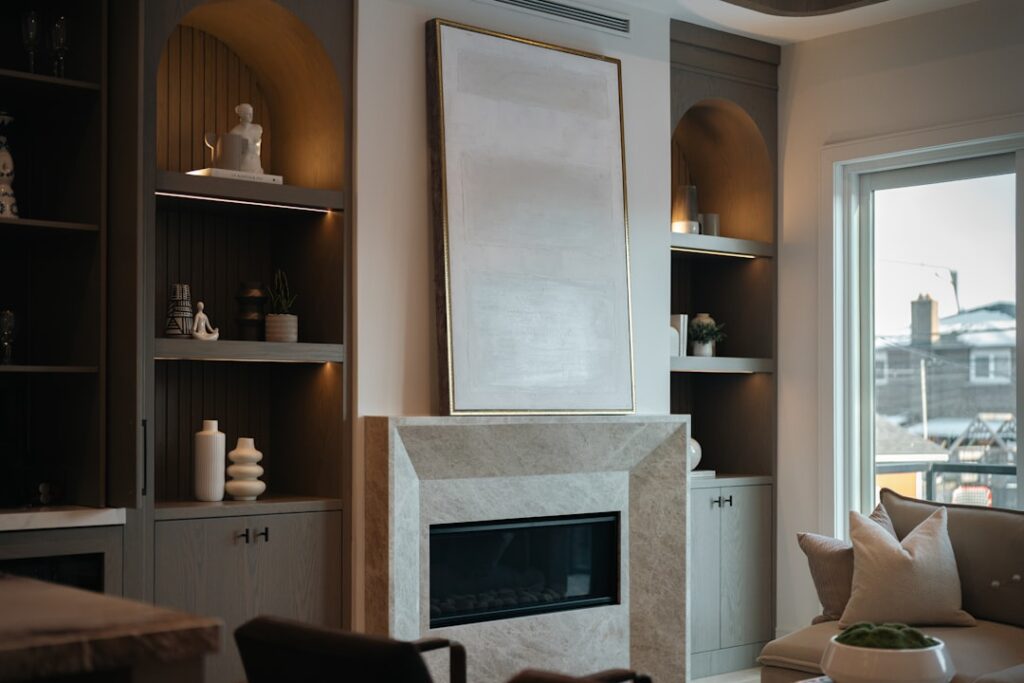
The color temperature of your light bulbs affects everything from sleep quality to how your paint colors look on the walls. Warm light bulbs emit a golden, amber-toned glow measured between 2200K and 3000K on the Kelvin scale, replicating the inviting warmth of candlelight and incandescent bulbs that most Americans grew up with. Choosing the right warm bulb for each room creates a cohesive, comfortable atmosphere while taking full advantage of modern LED energy savings.
- Understanding Color Temperature
- Best Warm LED Bulbs for 2025
- Philips Warm Glow A19 (2700K-2200K)
- GE Relax HD A19 (2700K)
- Cree 60W Equivalent A19 (2700K)
- Feit Electric Vintage Edison ST19 (2100K)
- Room-by-Room Color Temperature Guide
- Lumens vs. Watts: Buying by Brightness
- Dimmer Compatibility Issues
- Making the Switch to Warm LEDs
Understanding Color Temperature
Color temperature is measured in Kelvin (K), and the number tells you the hue of the light, not how hot the bulb gets. Lower Kelvin values produce warmer, more amber-toned light. Higher Kelvin values produce cooler, bluer light that resembles daylight. Here is the practical spectrum for residential lighting.
- 2200K: Candlelight amber. Best for accent lighting, dimmer-controlled fixtures, and bedrooms where maximum warmth is desired.
- 2700K: Classic incandescent warmth. The most popular residential color temperature and the standard “warm white” used by most LED manufacturers.
- 3000K: Slightly crisper warm white. Popular in kitchens and bathrooms where you want warmth without the amber cast.
- 3500K: Neutral white. Begins to feel clinical in living spaces but works in workshops and utility rooms.
- 4000K-5000K: Cool white to daylight. Best for garages, task lighting, and home offices where color accuracy matters.
For living rooms, bedrooms, and dining areas, stick with 2700K as your default. It flatters skin tones, makes wood furniture glow, and creates the relaxed atmosphere most people associate with home comfort.
Best Warm LED Bulbs for 2025
Philips Warm Glow A19 (2700K-2200K)
The standout feature of Philips Warm Glow bulbs is their dimming behavior. As you lower the dimmer, the color temperature shifts from 2700K down to 2200K, mimicking the way incandescent bulbs produced deeper amber tones at lower brightness. This creates a natural, cozy feel at any dimming level. Available in 60W and 100W equivalents at $3 to $5 per bulb. Energy use is just 8.8 watts for the 60W equivalent, saving roughly $1.20 per bulb per year compared to incandescent.
GE Relax HD A19 (2700K)
GE’s Relax line delivers a high Color Rendering Index (CRI) of 90, which means colors in your home appear more vivid and accurate under this light compared to standard LEDs with CRI ratings around 80. The enhanced color rendering makes a noticeable difference on warm paint tones, wood floors, and textiles. Priced at $2 to $4 per bulb in multi-packs. Available in 40W, 60W, and 100W equivalents.
Cree 60W Equivalent A19 (2700K)
Cree bulbs are known for reliability and longevity. The 60W equivalent draws 8.5 watts and carries a 10-year warranty based on 3 hours of daily use. The light output matches traditional incandescent warmth closely, and the bulb dims smoothly down to 10% brightness without flickering. A four-pack typically costs $8 to $10 at Home Depot.
Feit Electric Vintage Edison ST19 (2100K)
For decorative fixtures where the bulb is visible, Feit’s vintage Edison style bulbs deliver an ultra-warm 2100K amber glow with visible LED filaments that mimic classic Edison bulbs. They look stunning in pendant lights, sconces, and exposed-bulb fixtures. At $5 to $8 per bulb, they cost more than standard A19 shapes but serve as both a light source and a design element.
Room-by-Room Color Temperature Guide
Different rooms benefit from different positions on the warm light spectrum. Matching color temperature to room function improves both comfort and functionality.
Living Room: 2700K
The living room is where warm lighting matters most. Use 2700K bulbs in overhead fixtures, table lamps, and floor lamps. Layer your lighting with a mix of ambient overhead light, task lighting for reading areas, and accent lighting to highlight artwork or architectural features. Dimmer switches add versatility, letting you shift from bright socializing light to dim movie-watching ambiance.
Bedroom: 2200K-2700K
Research from Harvard Medical School confirms that exposure to blue-enriched light in the hour before sleep suppresses melatonin production and delays sleep onset. Warm light at 2700K or below minimizes this effect. Bedside lamps with 2200K bulbs create the coziest reading atmosphere while supporting healthy sleep patterns.
Kitchen: 2700K-3000K
Kitchens need enough visual clarity for food preparation while maintaining the warmth of a gathering space. Use 3000K under-cabinet task lighting and 2700K for overhead and pendant fixtures. The slight difference in temperature separates functional zones without creating a jarring mismatch. A CRI of 90 or higher is particularly valuable in kitchens where food colors should look appetizing and natural.
Bathroom: 2700K-3000K
Vanity lighting at 2700K to 3000K provides flattering illumination for grooming. Avoid anything above 3500K at the vanity, as cooler temperatures emphasize skin imperfections and create a clinical, unflattering look. If your bathroom also serves as a relaxation space with a soaking tub, add a warm 2200K accent light on a separate switch for a spa atmosphere.
Lumens vs. Watts: Buying by Brightness
Watts measure energy consumption, not brightness. Since LEDs use a fraction of the energy of incandescent bulbs, wattage is no longer a useful indicator of light output. Lumens measure actual brightness, and that is the number to shop by.
- 450 lumens: Equivalent to a 40W incandescent. Suitable for accent lights and small table lamps.
- 800 lumens: Equivalent to a 60W incandescent. The most common residential bulb. Works for overhead fixtures, floor lamps, and general lighting.
- 1100 lumens: Equivalent to a 75W incandescent. Bright enough for task areas and large rooms.
- 1600 lumens: Equivalent to a 100W incandescent. Best for high-ceiling fixtures and rooms that need maximum brightness.
Dimmer Compatibility Issues
Not all LED bulbs work with all dimmers, and incompatibility causes flickering, buzzing, limited dimming range, or the bulb refusing to turn off completely at the lowest setting. Always check the bulb packaging for a “dimmable” label and cross-reference the dimmer manufacturer’s compatibility list online. Lutron and Leviton publish extensive LED compatibility databases on their websites.
Older dimmer switches designed for incandescent bulbs have a minimum load requirement of 40 to 60 watts. A single 9-watt LED bulb falls below that threshold and causes erratic behavior. Replace old dimmers with LED-rated models, which have minimum loads as low as 1 watt. A quality LED dimmer switch costs $20 to $35 and takes 15 minutes to install for someone comfortable with basic electrical work.
Making the Switch to Warm LEDs
Replace bulbs room by room rather than all at once. Start with the living room and bedrooms where you spend the most relaxation time, then move to kitchens, bathrooms, and hallways. Buy one bulb of a new brand or model first to confirm you like the light quality before committing to a multi-pack. With warm light bulbs running just 8 to 10 watts each and lasting 15,000 to 25,000 hours, the upfront investment pays for itself within the first year while making every room in your home feel more comfortable and inviting.