
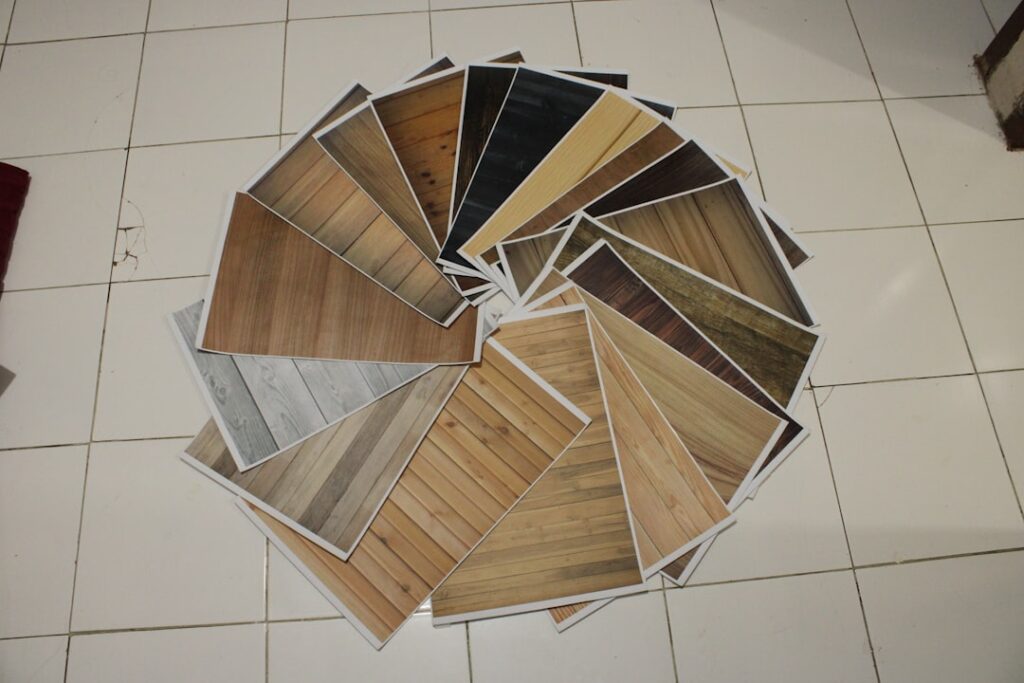
Choosing the right flooring around your washer and dryer is one of the most important decisions you can make for your laundry room. Between water leaks, heavy vibrations, detergent spills, and constant foot traffic, the floor beneath your laundry appliances takes a serious beating. The wrong material can warp, crack, or grow mold within months, while the right choice will last a decade or more with minimal maintenance.
- Why Laundry Room Flooring Matters
- Best Flooring Options for Washer and Dryer Areas
- 1. Luxury Vinyl Plank (LVP) and Luxury Vinyl Tile (LVT)
- 2. Porcelain and Ceramic Tile
- 3. Sheet Vinyl
- 4. Concrete (Sealed or Epoxy-Coated)
- 5. Rubber Flooring
- Flooring Comparison Table
- Waterproof vs. Water-Resistant Flooring
- Installation Tips for Laundry Room Floors
- Cost Breakdown by Material
- Managing Vibration and Noise
- Common Mistakes to Avoid
- Maintenance and Care
- Frequently Asked Questions
In this comprehensive guide, we break down every flooring option suited for washer and dryer areas, compare costs and durability, and share professional installation tips so your laundry room floor stays beautiful and functional for years to come.
Why Laundry Room Flooring Matters
Your laundry room is one of the wettest spaces in your home. The average household runs 300 to 400 loads of laundry per year, and even well-maintained machines can produce condensation, minor leaks, and splashes during each cycle. A catastrophic washer hose failure can release up to 500 gallons of water per hour, making waterproof flooring not just a preference but a necessity.
Beyond water resistance, washer and dryer flooring must handle:
- Heavy loads: A fully loaded washer can weigh over 250 pounds
- Vibration: Spin cycles generate significant vibration that can loosen tiles and seams
- Chemical exposure: Detergents, bleach, and fabric softeners can stain or degrade certain materials
- Temperature fluctuations: Dryers raise ambient temperature, causing expansion and contraction
Best Flooring Options for Washer and Dryer Areas
1. Luxury Vinyl Plank (LVP) and Luxury Vinyl Tile (LVT)
Vinyl flooring has become the top choice for laundry rooms in 2026, and for good reason. Modern LVP and LVT products offer 100% waterproof cores, realistic wood and stone looks, and excellent durability at a mid-range price point. Brands like LifeProof, COREtec, and Shaw Floorte offer products specifically rated for wet areas.
LVP typically ranges from $2.50 to $7.00 per square foot for materials, with a 20-mil or thicker wear layer recommended for laundry rooms. Installation is straightforward with click-lock systems, making it a popular DIY project.
2. Porcelain and Ceramic Tile
Tile flooring remains a classic choice for laundry rooms. Porcelain tile with a water absorption rate below 0.5% is virtually impervious to moisture. It handles heavy appliances without denting and resists chemicals with ease. The main drawback is that tile can be cold underfoot and slippery when wet unless you choose a textured or matte finish.
3. Sheet Vinyl
Sheet vinyl is the most budget-friendly waterproof option, running $1.00 to $4.00 per square foot. Because it comes in large rolls, there are fewer seams where water can penetrate. It is softer underfoot than tile and dampens vibration from the washer and dryer.
4. Concrete (Sealed or Epoxy-Coated)
If your laundry room has an existing concrete slab, sealing or applying an epoxy coating is an affordable and extremely durable option. Epoxy-coated concrete costs $3.00 to $12.00 per square foot installed and creates a seamless, waterproof surface that can last 20+ years.
5. Rubber Flooring
Rubber flooring tiles or rolls are excellent for vibration dampening and slip resistance. At $3.00 to $8.00 per square foot, rubber is a practical choice, especially in basement laundry rooms. It absorbs the noise and vibration from spin cycles better than any other material.
Flooring Comparison Table
| Flooring Type | Waterproof? | Cost per Sq Ft | Durability | DIY Friendly | Vibration Dampening |
|---|---|---|---|---|---|
| Luxury Vinyl Plank | Yes | $2.50 – $7.00 | High | Yes | Moderate |
| Porcelain Tile | Yes | $3.00 – $10.00 | Very High | Moderate | Low |
| Sheet Vinyl | Yes | $1.00 – $4.00 | Moderate | Moderate | Moderate |
| Epoxy Concrete | Yes | $3.00 – $12.00 | Very High | No | Low |
| Rubber Flooring | Yes | $3.00 – $8.00 | High | Yes | Excellent |
| Laminate | No* | $1.50 – $5.00 | Moderate | Yes | Moderate |
| Hardwood | No | $5.00 – $15.00 | Low (in wet areas) | No | Moderate |
*Some water-resistant laminate products exist, but none are truly waterproof.
Waterproof vs. Water-Resistant Flooring
Understanding the difference between waterproof and water-resistant flooring is critical for washer and dryer areas. Waterproof flooring will not be damaged by standing water, even if it sits on the surface for hours. Water-resistant flooring can handle splashes and brief exposure but will eventually absorb moisture and swell if water is not cleaned up quickly.
For laundry rooms, we strongly recommend waterproof options. Laminate flooring, while attractive and affordable, typically falls into the water-resistant category. Even “waterproof” laminate products often have vulnerable seams and edges that can wick moisture into the fiberboard core over time.
Hardwood flooring should generally be avoided in laundry rooms. Even sealed hardwood can cup, buckle, or develop mold beneath the surface when exposed to repeated moisture.
Installation Tips for Laundry Room Floors
Proper installation is just as important as choosing the right material. Follow these tips for a long-lasting laundry room floor:
- Level the subfloor: Use self-leveling compound to correct any dips or high spots. An uneven surface will cause your washer to vibrate excessively and can crack tile or separate vinyl seams.
- Install a moisture barrier: Even with waterproof flooring, a 6-mil polyethylene vapor barrier protects against moisture migrating up from concrete slabs.
- Leave expansion gaps: Vinyl and laminate need 1/4-inch expansion gaps around all walls and fixed objects, including around drain pipes.
- Use waterproof adhesive: If gluing down vinyl or tile, use a waterproof adhesive rated for wet areas.
- Seal all seams: Apply seam sealer on sheet vinyl and silicone caulk where the floor meets the wall.
- Consider a drain pan: Install a washer drain pan as an extra layer of protection, regardless of your flooring choice.
Cost Breakdown by Material
For a typical laundry room measuring 50 square feet, here is what you can expect to pay in 2026:
| Flooring Type | Material Cost (50 sq ft) | Professional Install | Total Estimated Cost |
|---|---|---|---|
| Sheet Vinyl | $50 – $200 | $150 – $300 | $200 – $500 |
| Luxury Vinyl Plank | $125 – $350 | $200 – $400 | $325 – $750 |
| Rubber Flooring | $150 – $400 | $150 – $300 | $300 – $700 |
| Porcelain Tile | $150 – $500 | $400 – $700 | $550 – $1,200 |
| Epoxy Concrete | $150 – $600 | $300 – $600 | $450 – $1,200 |
Managing Vibration and Noise
A washer’s spin cycle can generate significant vibration, especially on upper floors. This vibration can loosen tile grout, separate click-lock vinyl planks, and create annoying noise throughout the house. Here are solutions:
- Anti-vibration pads: Place rubber or silicone pads under each appliance foot. These cost $10 to $30 for a set of four and reduce vibration by up to 90%.
- Rubber underlayment: Installing a rubber underlayment beneath LVP or tile adds vibration dampening to the entire floor surface.
- Level the machine: Use a bubble level and adjust the washer’s feet so the machine is perfectly level. An unbalanced washer amplifies vibration dramatically.
- Rubber flooring mats: A heavy-duty rubber mat under both the washer and dryer protects any flooring type and can be replaced inexpensively if damaged.
Common Mistakes to Avoid
After reviewing hundreds of laundry room renovations, these are the most frequent flooring mistakes homeowners make:
- Choosing carpet: Carpet in a laundry room is a recipe for mold and mildew. Even low-pile carpet traps moisture.
- Skipping the moisture test: Always test concrete slabs for moisture before installing any flooring. A simple calcium chloride test costs under $30.
- Ignoring the subfloor: Installing new flooring over a damaged or uneven subfloor leads to premature failure.
- Forgetting transitions: Use proper transition strips where laundry room flooring meets adjacent rooms to prevent tripping hazards and moisture migration.
- Using regular grout: Standard grout is porous. Use epoxy grout for tile installations in laundry rooms to prevent moisture absorption.
Maintenance and Care
Regardless of which flooring you choose for your washer and dryer area, regular maintenance extends its life significantly:
- Inspect washer hoses every six months and replace them every five years
- Wipe up any spills, drips, or condensation immediately
- Clean floors weekly with a manufacturer-approved cleaner
- Check caulk and grout lines annually and reseal as needed
- Keep the dryer vent clean to reduce moisture buildup in the room
- Run a dehumidifier if your laundry room lacks adequate ventilation
For detailed floor care instructions, see our cleaning guides section.
Frequently Asked Questions
What is the best flooring to put under a washer and dryer?
Luxury vinyl plank (LVP) is the best overall flooring for washer and dryer areas in 2026. It is 100% waterproof, handles heavy appliances, dampens vibration, and costs $2.50 to $7.00 per square foot. Porcelain tile is the most durable option if budget allows.
Can you put laminate flooring in a laundry room?
We do not recommend standard laminate flooring in laundry rooms. Even water-resistant laminate can swell and warp with repeated moisture exposure. If you love the look of laminate, choose a waterproof luxury vinyl plank that mimics the same appearance.
Do I need a pan under my washer?
Yes, a washer drain pan is highly recommended regardless of your flooring material. Pans cost $20 to $50 and can prevent thousands of dollars in water damage from a hose failure or overflow.
How do I stop my washer from vibrating on the floor?
First, ensure the washer is perfectly level using adjustable feet and a bubble level. Then, place anti-vibration pads under each foot. If vibration persists, consider a thick rubber mat or rubber flooring in the entire washer and dryer area.
Is vinyl plank flooring good for laundry rooms?
Yes, vinyl plank flooring is one of the best choices for laundry rooms. Look for products with a waterproof SPC or WPC core, a wear layer of at least 20 mils, and a warranty that covers wet areas. Most major brands offer laundry-room-rated LVP products.
Can I put a washer and dryer on hardwood floors?
It is not recommended. Hardwood floors can be damaged by the moisture and vibration from a washer and dryer. If you have existing hardwood, protect it with a heavy-duty rubber mat and a washer drain pan, but replacing the flooring with a waterproof option is the better long-term solution.
Last updated: March 2026


