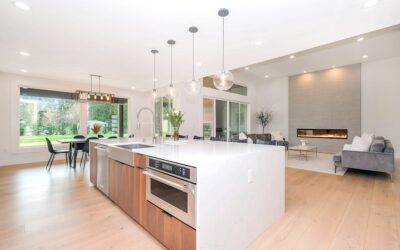
Standard kitchen islands end abruptly at the edge with exposed cabinetry underneath. A waterfall kitchen island takes a completely different approach — the countertop material flows continuously over one or both sides to the floor, creating a dramatic vertical surface that transforms the entire kitchen. This design has become the signature feature of modern and transitional kitchens, adding $3,000 to $15,000 to a remodel budget but delivering visual impact that few other upgrades can match.
Part of our Kitchen Remodeling guide — explore the full guide →
What Makes a Waterfall Edge Different
In a traditional island, the countertop sits on top of a cabinet base with the slab ending at the overhang. A waterfall edge continues that same slab material down the side of the island to the floor. The key visual element is the mitered joint at the corner, where two pieces of stone or solid surface meet at a precise 45-degree angle to create the illusion of a single continuous piece bending downward.
Single waterfall islands have the cascade on one end, typically the most visible side facing the living area. Double waterfall islands feature the treatment on both ends, creating a floating-slab look that is particularly striking with bold-veined stones like Calacatta marble or dramatic quartzite.
Best Materials for Waterfall Islands
Material choice makes or breaks the waterfall effect. The joint where horizontal meets vertical must be nearly invisible, which means the material needs consistent patterning or carefully matched veining.
- Quartz: $50 to $120 per sq ft installed. Consistent color and pattern make seam matching straightforward. Brands like Caesarstone, Cambria, and Silestone offer dozens of veined options that mimic natural stone. Most popular choice for waterfall islands.
- Marble: $75 to $200 per sq ft installed. Dramatic veining creates showstopping results when bookmatched at the corner. Requires sealing every 6 to 12 months and etches from acidic foods.
- Quartzite: $80 to $180 per sq ft installed. Natural stone with marble-like beauty but significantly better durability. Harder than granite at 7 on the Mohs scale.
- Porcelain slab: $40 to $90 per sq ft installed. Lightweight, stain-proof, and available in large-format panels up to 5 by 10 feet. Growing rapidly in popularity.
- Butcher block: $30 to $80 per sq ft installed. Creates a warm, rustic waterfall effect. Requires regular oiling and is susceptible to water damage at the floor joint.
Design Considerations
Vein matching is the single most important detail in a waterfall kitchen island. When the fabricator cuts the mitered corner, the veining pattern on the horizontal surface should continue seamlessly onto the vertical panel. This requires bookmatching — opening the slab like a book so the patterns mirror each other at the seam.
Request to visit the stone yard and select your specific slab. Approve the cutting layout before fabrication begins. A skilled fabricator marks the vein continuation lines and dry-fits the pieces before final installation. This level of care separates a $5,000 waterfall edge from a $5,000 mistake.
Cost Breakdown
Beyond the material cost per square foot, several factors drive the total price of a waterfall island installation:
- Additional material: The waterfall panel requires roughly 8 to 12 square feet of extra slab per side, adding $400 to $2,400 in material.
- Mitered edge fabrication: Cutting and polishing the 45-degree joint costs $300 to $800 per corner.
- Seam work: Color-matched epoxy and invisible seam treatment runs $200 to $500.
- Installation premium: Waterfall edges require two to three extra hours of installation time at $75 to $150 per hour.
- Structural support: The vertical panel needs a plywood backer or steel bracket system, adding $100 to $300.
Total cost for a single waterfall end on a quartz island typically falls between $1,500 and $4,000 above a standard edge. Double waterfall doubles that premium.
Installation Process
Fabrication happens off-site using digital templating. The installer creates a precise 3D model of your island and programs the CNC machine to cut the mitered edges within 1/64-inch tolerance. On installation day, the horizontal slab goes down first, followed by the vertical panel, which is supported by temporary braces while the adhesive cures.
The mitered joint is bonded with color-matched epoxy and reinforced with rodding channels cut into the back of the stone. This invisible reinforcement prevents the joint from separating over time. Cure time is typically 24 hours before the braces can be removed and the island can bear normal use.
Pros and Cons
Waterfall edges deliver undeniable visual impact, but they come with tradeoffs every homeowner should weigh:
Advantages:
- Creates a strong architectural focal point that anchors the kitchen design
- Hides the sides of the cabinet base for a cleaner, more modern look
- Protects cabinet panels from kicks, scuffs, and spills
- Increases perceived home value — real estate agents report waterfall islands photograph well and attract buyers
Disadvantages:
- Adds $3,000 to $8,000 or more to island cost
- Eliminates seating on the waterfall end unless the slab is extended with an overhang
- Repair or replacement of a damaged waterfall panel is expensive and difficult
- May look dated if design trends shift significantly
Maintenance and Long-Term Care
A waterfall kitchen island requires the same maintenance as any countertop of the same material. Quartz needs only soap and water. Marble needs regular sealing and careful avoidance of acidic liquids. Pay extra attention to the floor joint where the vertical panel meets the floor — caulk this seam with a color-matched silicone to prevent moisture from wicking underneath during floor cleaning. Inspect the mitered corner seam annually for any signs of separation, and contact your fabricator immediately if you notice cracking or gaps developing at the joint.