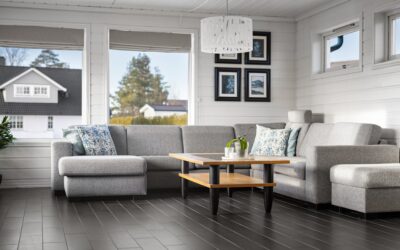
Kitchens and water are inseparable. Between the dishwasher, the sink, the ice maker line, and the inevitable boil-over on the stove, your kitchen floor encounters more moisture events per week than most bathrooms. That makes waterproof vinyl flooring for kitchens one of the smartest material choices available, combining genuine water immunity with realistic wood and stone visuals at a price that leaves room in the budget for the rest of the renovation.
Why Vinyl Dominates Kitchen Flooring
Vinyl plank and tile have captured roughly 40% of the kitchen flooring market in the United States, and the reasons go beyond just waterproofing. The material is warm and forgiving underfoot, which matters during long cooking sessions. It absorbs sound rather than amplifying footsteps the way tile does. And modern printing technology creates wood and stone patterns that fool most guests from standing height.
Unlike hardwood, which demands immediate spill cleanup to prevent water stains, vinyl handles standing water without any urgency. A slow dishwasher leak that goes unnoticed for a weekend damages hardwood irreversibly but leaves quality vinyl completely unaffected. That peace of mind alone justifies the choice for many homeowners.
SPC vs WPC for Kitchen Installations
Both SPC (Stone Plastic Composite) and WPC (Wood Plastic Composite) cores deliver waterproof performance, but they perform differently in a kitchen environment.
SPC is the stronger choice for most kitchens. Its dense limestone-and-PVC core resists denting from heavy appliances, chair legs, and dropped cookware. SPC planks are thinner (typically 4-6 mm), which means less height buildup at transitions to adjacent rooms and easier clearance under the dishwasher. The rigid construction also bridges minor subfloor imperfections without telegraphing grout lines or bumps.
WPC offers a softer, warmer feel underfoot, which is genuinely noticeable during extended cooking sessions. The thicker core (5-8 mm) provides better sound absorption. However, WPC dents more easily than SPC, and a heavy stand mixer or cast-iron skillet dropped from counter height can leave a permanent mark.
- For families who cook frequently and value comfort: WPC with a 20-mil wear layer
- For high-traffic kitchens, rentals, and households with pets: SPC with a 12-20 mil wear layer
Top Products for Kitchen Use in 2026
COREtec Pro Plus Enhanced
COREtec’s flagship SPC line features a 20-mil wear layer, attached cork underlayment for comfort and sound absorption, and their patented waterproof core technology. Planks measure 7 inches wide by 48 inches long in over 25 wood-grain patterns. Retail price: $4.50-$5.50 per square foot. The cork backing adds noticeable warmth compared to competing SPC products with standard foam pads.
Shaw Floorte Elite
Shaw’s Floorte Elite series uses a rigid SPC core with an enhanced ceramic bead wear layer that resists scratching from kitchen debris and pet claws. The 20-mil commercial-rated wear layer is backed by a lifetime residential warranty. Price: $4.00-$5.50 per square foot. Available in wide-plank and long-plank formats that minimize visible seams in open kitchen layouts.
LifeProof Sterling Oak
LifeProof remains the value leader for waterproof vinyl flooring for kitchens. The rigid SPC core, 6-mil wear layer, and drop-and-lock installation system make it accessible for DIY renovators. At $2.50-$3.20 per square foot, a 200 sq ft kitchen costs as little as $500 in materials. The 6-mil wear layer is thinner than premium options, making it better suited for kitchens with moderate traffic rather than heavy commercial use.
Mohawk SolidTech
Mohawk’s SolidTech line uses an SPC core with their Uniclic locking system. The 12-mil wear layer hits the sweet spot for residential kitchens at $3.00-$4.00 per square foot. Their GreenGuard Gold certification means low VOC emissions, which matters in a kitchen where you prepare food on adjacent surfaces.
Wear Layer Guide for Kitchen Floors
The wear layer directly determines how long the floor looks new under kitchen conditions. Kitchens see constant foot traffic, chair movement around islands and tables, and grit tracked in from adjacent rooms.
- 6 mil: Budget-friendly, adequate for light-use kitchens, apartments, and short-term situations. Shows wear in 5-8 years under typical family use.
- 12 mil: The minimum recommended for active family kitchens. Handles 10-15 years of normal residential traffic before showing significant wear patterns.
- 20 mil: The best choice for busy kitchens, open-concept spaces, and homeowners who plan to stay long-term. Rated for light commercial use, meaning it comfortably survives 15-25 years in a residential kitchen.
Kitchen Installation Considerations
Kitchen installations involve more cutting and fitting than open rooms, which adds time and requires attention to specific details.
Install vinyl before the dishwasher and refrigerator go in, not after. Running the floor continuously under appliances provides a seamless look and prevents trapped moisture at the appliance edges. If the dishwasher is already installed, check that the floor height plus the dishwasher clears the countertop, as adding 4-6 mm of vinyl under an existing dishwasher can prevent it from being removed for service.
Cut around cabinet toe kicks with a utility knife, leaving a 1/4-inch expansion gap covered by the toe kick itself. At the kitchen island, run the vinyl tight against the island base and cover the gap with matching quarter-round trim. Use silicone caulk around the sink base cabinet and dishwasher opening for an extra moisture barrier at these high-risk areas.
For large, open-concept kitchens that flow into living and dining areas, plan the plank direction to run lengthwise through the longest sightline. This creates visual continuity and makes the entire space feel larger. A kitchen-living room that shares a continuous vinyl plank floor with no transition strips looks significantly more polished than one broken up by dividers at every doorway.
Maintenance in Kitchen Environments
Kitchen vinyl floors need slightly more attention than the same material in a bedroom. Cooking generates grease, food particles, and liquid spills that can leave residue if not cleaned regularly. Sweep or vacuum daily around the cooking and eating areas. Damp-mop once or twice per week with a pH-neutral vinyl cleaner.
Wipe up oil and grease splatters promptly. While they will not damage the vinyl, oil residue attracts dirt and creates a dull, sticky film if left to accumulate. A drop of dish soap on a damp cloth handles grease spots in seconds. Place a protective mat in front of the sink and stove where spills are most frequent, but choose mats with non-staining backings, as rubber-backed mats can cause permanent yellow discoloration on vinyl over time.
What to Expect on Your Budget
A complete kitchen vinyl flooring project for a typical 150-200 sq ft kitchen in 2026 costs $500-$1,800 for materials and $300-$800 for professional installation. DIY installation cuts the labor cost to zero and is realistic for most homeowners with an afternoon to spare. Waterproof vinyl flooring for kitchens offers the best balance of performance, appearance, and affordability available today. The only kitchen floors that outperform vinyl in pure durability are porcelain tile and polished concrete, both of which cost significantly more and sacrifice the comfort factor that makes vinyl so popular in the first place.
Prefer to explore on your own?
See how new flooring looks in your actual room in seconds — free, no signup.
Try the free Floor Studio →