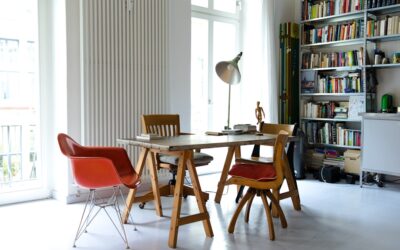
Cork is one of the few floors that’s soft underfoot, naturally insulating, and harvested without cutting down a single tree — and that combination still surprises people. WE Cork flooring comes from WE Cork, a long-established cork flooring manufacturer that produces cork tiles and floating cork floor products. Cork itself is made from the bark of the cork oak tree, which regrows after harvesting, making it a renewable material. This guide explains how cork flooring performs, the pros and cons, the formats available, and how to care for it so you can decide whether it fits your home.
What Cork Flooring Is
Cork flooring is made from the bark of the cork oak, ground and pressed into sheets. The bark is harvested periodically over the tree’s long life without harming it, which is why cork is considered a sustainable, renewable flooring material. Manufacturers like WE Cork produce both glue-down cork tiles and floating click-together cork planks, often with a printed or natural cork visual and a protective finish on top.
Underfoot, cork has a distinctive give. Its cellular structure is full of tiny air pockets, which makes it cushioned, warm, and quiet — qualities you don’t get from tile, laminate, or most hardwood.
Pros of Cork Flooring
- Comfort underfoot: The natural cushioning is easier on legs, backs, and dropped dishes than hard surfaces.
- Warmth and insulation: Cork’s air-filled cells insulate against cold, so the floor feels warmer than tile or stone.
- Sound dampening: Cork absorbs impact and airborne noise, making it popular in bedrooms, offices, and upper floors.
- Sustainability: Harvested from renewable bark, cork is one of the more eco-friendly flooring choices.
- Natural resilience: Cork compresses and recovers, so light dents from furniture often bounce back over time.
Cons and Limitations
Cork is comfortable precisely because it’s soft, and softness has a downside. Heavy furniture, high heels, and pet claws can dent or scratch it, so furniture pads and area rugs in high-traffic zones are smart. The protective finish wears over time and may need periodic refinishing on some glue-down products.
Moisture is the other concern. While cork has natural water resistance and some products tolerate damp areas, standing water and high humidity can damage cork and its seams, so it’s not the best uncontrolled choice for bathrooms prone to flooding. Direct, prolonged sunlight can also fade cork, so use window coverings in bright rooms. Confirm the specific WE Cork product’s moisture and UV guidance before installing in a challenging space.
Formats and Construction
Cork flooring generally comes in two formats, and the right one depends on your subfloor and goals.
- Glue-down cork tiles: Adhered directly to a flat, clean subfloor. These can sometimes be sanded and refinished, and they offer a thin profile and a firmer feel.
- Floating cork planks: Click-together boards with a cork wear surface over a core, installed over an underlayment without glue. These are more DIY-friendly and float over the subfloor.
Floating products install faster and tolerate minor subfloor imperfection better, while glue-down tiles can offer refinishing potential and a more solid feel. Check the product specs for thickness, finish type, and whether it’s rated for your installation.
Comfort, Health, and Sustainability
Cork’s appeal goes beyond looks. The cushioning genuinely reduces fatigue in kitchens and standing work areas, and the thermal insulation pairs well with radiant heat in cold climates — though you should confirm the product is approved for radiant systems first. Cork is also naturally resistant to mold and is a common choice for households prioritizing comfort and a quieter home.
For eco-conscious buyers, the renewable harvesting of cork bark and cork’s recyclability are meaningful selling points compared to petroleum-based flooring.
Caring for Cork Flooring
Cork maintenance is simple but specific. Sweep or vacuum regularly to remove grit that can scratch the finish, and damp-mop with a well-wrung mop and a cleaner approved for cork or sealed wood. Avoid soaking the floor, harsh abrasives, and ammonia or bleach-based cleaners. Wipe spills promptly to protect the seams.
Protect the surface with felt pads under furniture, area rugs in busy areas, and window treatments to limit fading. For glue-down cork with a refinishable surface, you may eventually reapply a finish to restore protection. Following the manufacturer’s care instructions keeps the warranty intact and the floor looking good.
Installation Basics
Both cork formats need a flat, clean, dry subfloor. For glue-down cork tiles, the subfloor must be especially smooth, since imperfections telegraph through the thin tiles, and you’ll use a recommended adhesive and roller to set them. Floating cork planks click together over an underlayment and require expansion gaps around the perimeter, hidden by baseboards, to allow for natural movement.
Acclimate cork in the room before installing so it adjusts to your home’s temperature and humidity, and follow the manufacturer’s guidance on moisture barriers, especially over concrete. Because cork can be sensitive to humidity extremes, maintaining stable indoor conditions year-round helps the floor stay flat and tight at the seams.
Cost and Who It Suits
Cork flooring typically runs in the $3 to $8 per square foot range for materials, varying by format and finish, with installation adding to that total. Floating cork is friendlier for DIY installation, which can reduce labor cost.
Cork suits bedrooms, home offices, playrooms, and kitchens where comfort, warmth, and quiet matter most. It’s less ideal for wet bathrooms, sun-blasted rooms, or homes with large dogs unless you choose a durable product and protect it well.
Cork vs. Other Soft Floors
It helps to compare cork to its closest alternatives. Against carpet, cork is far easier to clean, doesn’t trap allergens and dust the same way, and resists mold — while still offering warmth and cushioning. Against luxury vinyl, cork is more eco-friendly and warmer underfoot, but vinyl is more waterproof and scratch-resistant, making vinyl the better pick for wet areas and heavy pet households.
Against hardwood, cork is softer, quieter, and more forgiving on joints and dropped items, though it dents more easily and generally won’t match hardwood’s resale appeal. The honest summary: cork occupies a unique niche — comfort, quiet, warmth, and sustainability in one floor — and if those are your priorities, few materials match it.
Bottom Line
If you value a soft, warm, eco-friendly floor and you’re willing to use furniture pads and clean it gently, a quality cork floor like those WE Cork makes can be a comfortable, distinctive choice that lasts for years. Confirm the specific product’s moisture and UV ratings for your room, install it over a proper subfloor, and protect it with pads and rugs — and cork will reward you with a uniquely cushioned, quiet, and renewable surface.
Prefer to explore on your own?
See how new flooring looks in your actual room in seconds — free, no signup.
Try the free Floor Studio →