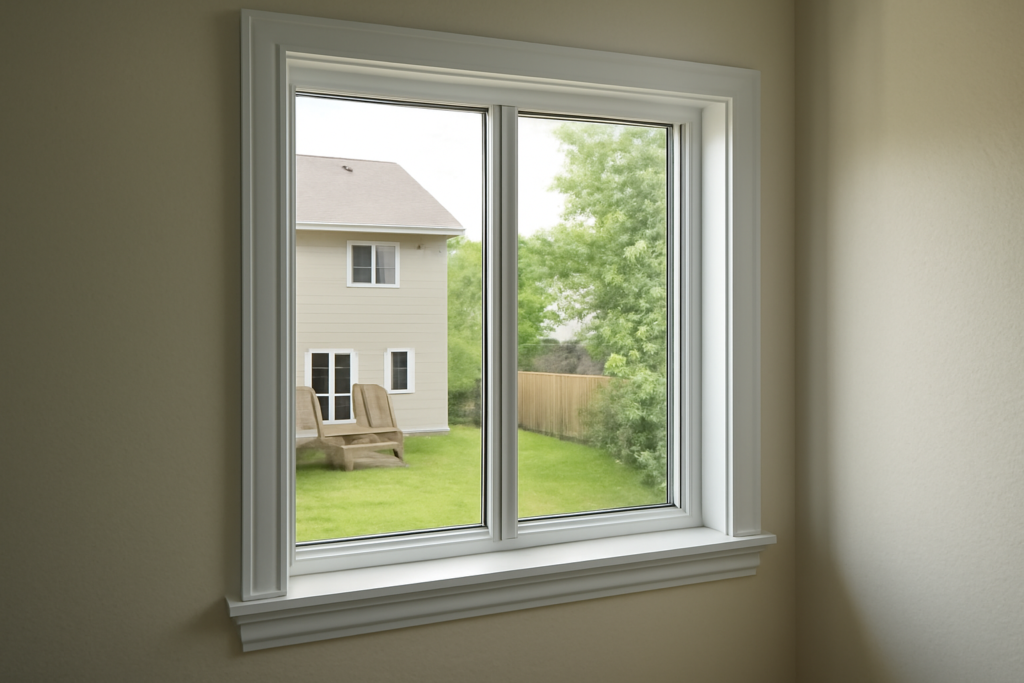
If your windows fog up in winter, feel cold to the touch, or let in every passing car, they may be single-pane relics from a less energy-conscious era. What are dual pane windows, and why has the entire window industry shifted to them? Put simply, a dual pane window, also called a double-glazed window, has two panes of glass separated by a sealed pocket of air or gas. That extra layer dramatically slows the transfer of heat, cold, and sound, making your home more comfortable and cheaper to run.
- How Dual Pane Windows Are Built
- How They Keep Your Home Comfortable
- Key Benefits of Dual Pane Windows
- Dual Pane Versus Single and Triple Pane
- What They Cost
- Understanding the Performance Ratings
- The Downsides to Weigh
- Frame Materials Matter Too
- Signs You Need to Replace Your Windows
- Are They Worth It?
How Dual Pane Windows Are Built
A dual pane window is an engineered assembly, not just two pieces of glass. Two panes are held apart by a spacer around the perimeter, creating a sealed cavity typically between a half inch and an inch wide. That cavity is filled with dry air or, more often in quality windows, an inert gas such as argon or krypton. The whole unit is sealed tight to keep moisture out, and the result is called an insulated glass unit, or IGU.
The gas-filled gap is the secret. Argon is denser than air and conducts heat poorly, so it acts as a thermal buffer between the inside and outside panes. Many windows also add a low-emissivity, or low-E, coating, a microscopically thin metallic layer that reflects heat back toward its source while still letting light through.
How They Keep Your Home Comfortable
Single-pane glass is a thermal sieve; heat passes through it almost unimpeded. The sealed gas layer in a dual pane window slows that transfer in both directions. In winter, your heated indoor air stays inside instead of bleeding through the glass. In summer, outdoor heat is held back, especially when a low-E coating reflects the sun’s radiant energy. The interior surface of a dual pane window stays much closer to room temperature, which eliminates the cold draft you feel sitting near an old window even when it is shut tight.
Key Benefits of Dual Pane Windows
- Lower energy bills: Reduced heat transfer means your furnace and air conditioner run less.
- Year-round comfort: Fewer cold spots in winter and less heat gain in summer.
- Noise reduction: The air or gas gap dampens outside sound, a real difference near busy streets.
- Less condensation: Warmer interior glass resists the fogging and frost common on single panes.
- UV protection: Low-E coatings block much of the ultraviolet light that fades floors, rugs, and furniture.
- Higher home value: Energy-efficient windows are a recognized selling point.
Dual Pane Versus Single and Triple Pane
Single-pane windows offer almost no insulation and are now found mainly in older or unrenovated homes. Dual pane is the modern standard, delivering most of the available efficiency gains at a reasonable price. Triple pane windows add a third layer of glass and a second gas gap for even better performance, but they cost significantly more and are heavier. For most U.S. climates, dual pane hits the sweet spot; triple pane makes the most sense in very cold northern regions or homes chasing the highest efficiency ratings.
What They Cost
Pricing varies widely with frame material, size, glass options, and your region. As a general guide, a standard dual pane replacement window runs roughly $400 to $1,000 installed, with most homeowners landing in the $450 to $700 range per window. Upgrades like argon fill, low-E coatings, and premium frames such as fiberglass or clad wood push the price toward the high end. Whole-house replacement is a major project, but the per-window energy savings accumulate year after year.
Understanding the Performance Ratings
When you shop, you will see a few numbers that tell you how a window actually performs:
- U-factor: Measures heat loss; lower is better, with good dual pane units around 0.30 or below.
- Solar Heat Gain Coefficient (SHGC): How much solar heat passes through; lower values suit hot climates, higher values can help in cold ones.
- Visible Transmittance: How much daylight comes through; higher means a brighter room.
- ENERGY STAR label: Confirms the window meets efficiency standards for your climate zone.
The Downsides to Weigh
Dual pane windows are not flawless. They cost more upfront than single-pane glass. Over many years the perimeter seal can fail, allowing the gas to escape and moisture to creep in; the telltale sign is permanent fog or haze trapped between the panes, which usually means replacing the glass unit. Choosing a reputable manufacturer with a solid warranty, often 10 to 20 years on the seal, is the best protection against that failure.
Frame Materials Matter Too
The glass is only half the story; the frame around it affects efficiency, maintenance, and price just as much. Each material has clear trade-offs:
- Vinyl: Affordable, low-maintenance, and energy-efficient, the most popular choice for replacement windows.
- Fiberglass: Strong, stable across temperature swings, and long-lasting, at a higher price.
- Wood: Beautiful and naturally insulating, but it demands upkeep and costs more.
- Aluminum: Durable and slim, but it conducts heat readily unless it has a thermal break.
- Composite and clad wood: Combine a wood interior look with a weatherproof exterior.
For most homeowners, a quality vinyl or fiberglass frame paired with low-E, argon-filled dual pane glass delivers the best balance of efficiency, durability, and value.
Signs You Need to Replace Your Windows
How do you know it is time to upgrade? Watch for telltale symptoms. Permanent fog or condensation trapped between the panes signals a failed seal and lost insulating gas. Drafts you can feel with your hand near a closed window mean air is leaking through. Windows that stick, will not stay open, or are painted shut are past their prime. Rising heating and cooling bills, rooms that never feel comfortable, and excessive outside noise all point toward old, inefficient glazing. If your home still has original single-pane windows, replacing them with dual pane units almost always improves comfort immediately, even before the energy savings show up on your bills.
Are They Worth It?
For nearly every homeowner replacing old single-pane windows, the answer is yes. You gain a quieter, more comfortable home with steadier temperatures, less condensation, and protection for your floors and furnishings from UV fading. The energy savings will not pay back the cost overnight, but combined with the comfort, noise reduction, and resale value, dual pane windows are one of the more sensible upgrades you can make. Match the U-factor and SHGC to your climate, pick a brand with a strong seal warranty, and they will serve your home for decades.